
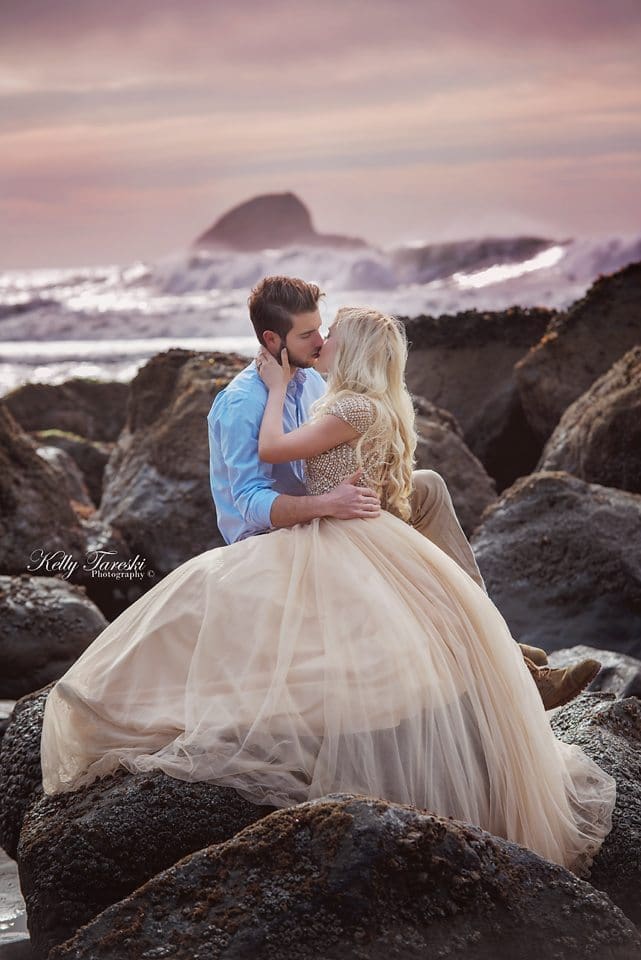
Family Beach Photos: An On-Location Planning Guide
Successful family beach photos depend less on a perfect sky and more on practical planning. Confirm access and photography rules, check current water and weather conditions, choose safe footwear, and prepare a dry backup before anyone steps onto the sand. The photographer can then shape the light and movement around your family.
A beach is an on-location setting, so availability depends on the specific property, season, travel, and permissions. Compare these considerations with our general guide to preparing for outdoor family photos. More family-session planning resources are collected in the family photography article library.
How do you choose a beach for family photos?
Choose the location for safety and access before scenery. Look at the walking route, surface stability, parking, restrooms, crowd patterns, and whether anyone in the group uses a stroller or mobility aid. Confirm current public access, professional photography rules, parking hours, and pet policies with the location owner or managing agency.
| Check | Why it matters | Possible backup |
|---|---|---|
| Water and weather conditions | Wind, waves, smoke, heat, and cold affect safety and comfort. | A protected shoreline area or indoor setting. |
| Walking surface | Loose sand, rocks, and driftwood can limit access. | A nearby level path or overlook. |
| Crowds and events | Busy backgrounds reduce space and privacy. | A different day, time, or approved location. |
| Photography permission | Rules vary by park, property, and jurisdiction. | A location with confirmed access. |
| Restrooms and changing space | Especially useful for children and wet clothing. | Arrive dressed and keep dry layers in the car. |
What time is best for family beach photos?
The best time is when the light, location access, and your family’s energy align. Lower-angle morning or evening light can be gentle and dimensional, but it is not worth placing a young child far outside a reliable meal or sleep routine. Cloud cover can also provide attractive light.
Ask the photographer for a location-specific start time rather than relying on a generic “golden hour” formula. Shoreline direction, hills, trees, buildings, season, and weather all change when useful light reaches the group.
What should a family wear to a beach session?
Wear clothes that move comfortably in wind and allow safe walking. A coordinated palette can include sand, blue, green, rust, cream, or any colors that feel like your family, but matching white shirts and denim are not required. Review our family photo color palette guide before making final choices.
- Choose secure layers that will not require constant adjustment in the wind.
- Use fitted underlayers when dresses or loose shirts may lift.
- Bring practical shoes for the route, even if bare feet are planned on safe sand.
- Avoid going barefoot on unknown surfaces, sharp rocks, hot sand, or debris.
- Pack a dry change of clothing for children and anyone entering shallow water.
- Keep phones, keys, and bulky items out of visible pockets.
How do you get natural beach photos without risky poses?
Natural movement can happen parallel to the water or well above the active shoreline. Families can walk together, look for smooth stones, sit on a blanket, tell a story, or let children follow simple prompts. No one needs to climb wet rocks, turn their back on unsafe water, or enter waves to make the photographs feel lively.
For more movement ideas, see our outdoor family posing guide. Tell the photographer before the session about balance concerns, sensory needs, limited stamina, or a child who is drawn to water so the plan can be adjusted.
What should you bring to family beach photos?
- Water, simple snacks, and any essential medication.
- A towel, dry clothing, and a bag for damp items.
- Weather layers that coordinate with the planned outfits.
- A brush or comb and a few secure hair ties.
- Only the comfort item or activity the photographer has approved.
- A plan for keeping children within reach near water.
Leave unnecessary props at home. Wind and uneven ground make complicated setups harder to manage, and some locations restrict what can be placed on the beach.
What if a beach location is not practical?
A waterside session is not the only way to create open, relaxed family portraits. A field, garden, wooded path, or simple studio setting may better support accessibility, privacy, or unpredictable weather. Browse Spokane photography venue options to compare the private five-acre Nine Mile Falls property with five indoor studios.
Frequently asked questions about family beach photos
Can young children safely be included?
They can be included when responsible adults remain close, the location is appropriate, and the plan keeps the group away from hazardous water or terrain. The photographer does not replace active adult supervision.
Should everyone wear shoes?
Bring safe shoes for the route. Bare feet may be an option only where the surface has been checked and the family is comfortable, but it should never be assumed.
What happens if the weather changes?
Follow the photographer’s current weather and rescheduling process. A change of location, a protected area, or an indoor option may be safer than trying to force the original plan.
Does Kelly Tareski Photography offer beach sessions?
On-location options depend on the requested place, access, season, and current availability. Ask the studio before making travel plans or assuming a location can be used.
Plan a calm on-location family session
Start with the family’s access needs and the location’s current rules, then build the visual plan around those facts. Explore Spokane family portrait options or contact Kelly Tareski Photography to discuss a suitable setting.
Education Most Searched Articles
- Kelly Tareski Photography Homepage
- How to Choose Background Colors to Complement Skin Tones
- Choosing the Best Lens for Stunning Senior Portraits
- 5 Tips Using the Nikon Z7ii Camera for Portrait Photography
- Exploring Spokane Through a Lens: Must-Visit Photo Locations
- How to Choose the Best Lenses for Senior Portraits
- When to Use a Neutral Background in Photography
- Top Posing Ideas for Solo Portraits: Looking Confident and Natural
- The Economy and Photography
- How the Economy Impacts Photography
- How to Weather Economic Slumps as a Photographer
- Finding Creative Ways to Promote Your Photography on a Budget
- Free and Low-Cost Resources for Photographers