
![The Ultimate Checklist for a Stress-Free Portrait Session [Guide]](https://images.rapidload-cdn.io/spai/ret_blank,q_lossless,to_avif/https://kellytareskiphotography.com/wp-content/uploads/emplibot/photo-session-prep-hero-1758568063-1024x585.jpeg "photo-session-prep-hero-1758568063")
The Ultimate Checklist for a Stress-Free Portrait Session [Guide]
Portrait sessions can feel overwhelming without proper photo session prep. Many clients arrive unprepared, leading to rushed decisions and missed opportunities.
At Kelly Tareski Photography, I guide clients through the planning decisions that matter before a portrait session. Good preparation can reduce last-minute choices and give us more room to focus on the people, expressions, and finished photographs during the session.
What Should You Plan Before Your Session
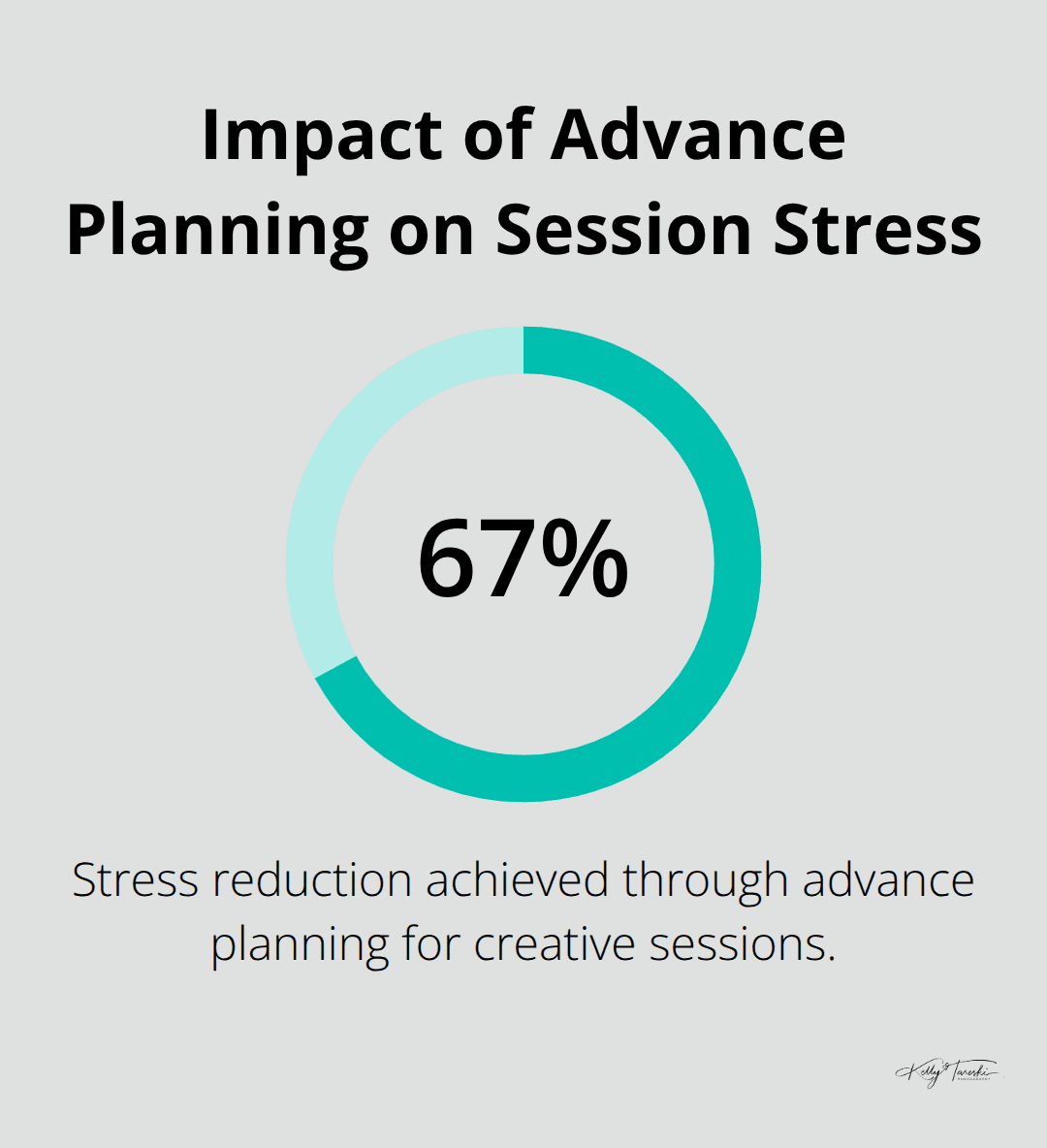
A little preparation can reduce last-minute decisions and help you arrive ready to focus on the session. You do not need a fixed two-week countdown. Start early enough to confirm wardrobe, location, timing, grooming or makeup plans, and anything you want your photographer to know, then use a shorter final check as the session approaches.
Your Outfit Creates the Foundation
Clothing should support the portrait rather than follow a universal color rule. Solid colors can be easy to coordinate, but patterns, black, white, jewel tones, neutrals, and brighter colors can all work when they fit the person, location, lighting, and overall palette.
Choose clothes that fit and move the way you want to be photographed. Test each outfit by sitting, standing, and moving naturally before the session. Bring alternate pieces only when they add useful variety and fit the planned session time; comfort and personal style matter more than trying to make a body appear smaller.
Hair and Makeup Strategy
Plan hair and makeup around the look you want, your normal routine, and the photographer’s recommendations rather than following one universal schedule. Professional hair and makeup can be helpful when it fits the session, but it does not need to be a fixed percentage heavier than everyday makeup. If you are booking a stylist or makeup artist, reserve early enough for your date and bring any touch-up products you know you may want during the session.
Location and Timing Decisions
Outdoor and indoor portrait light changes with the location, season, weather, building orientation, and time of day. Lower-angle evening light can be beautiful, but open shade, overcast light, direct sun used intentionally, flash, and studio lighting can also work. Check the chosen location close enough to the session to catch access issues, construction, events, or other practical changes.
Download parking apps like SpotHero to secure convenient parking and avoid session delays. Weather apps with hourly forecasts help you prepare backup indoor alternatives when outdoor conditions look questionable (especially important during unpredictable seasons like spring and fall).
Once you complete these preparation steps, focus shifts to what you’ll actually bring and how you’ll interact during the session itself.
How Should You Handle Session Day
Empty your pockets completely before your session starts. Items like wallets, phones, and keys create visible bulges that distract from your face and body lines. Bring only essential touch-up items in a small bag that stays with your photographer, not in your hands. Professional photographers report that overpacked unnecessary items can lead to wardrobe malfunctions.
Pack Smart for Maximum Results
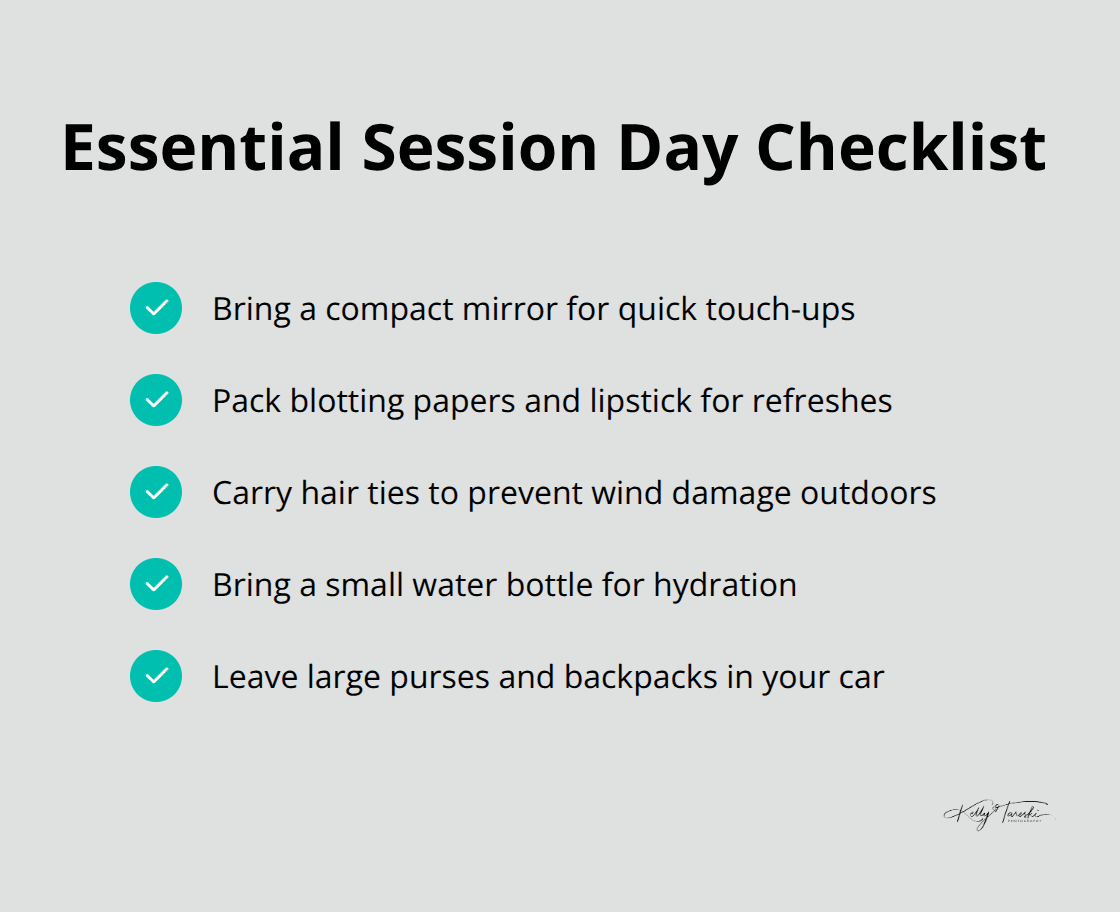
Carry a compact mirror, blotting papers, and your lipstick for quick touch-ups between outfit changes. Hair ties prevent wind damage during outdoor sessions, while a small water bottle keeps you hydrated without bathroom breaks that interrupt your session flow. Leave large purses, backpacks, and coffee cups in your car. These items appear in backgrounds accidentally and require time-consuming edits to remove.
Master Natural Expression Techniques
You do not need to produce a particular emotion on demand. Some portraits can include direct eye contact and a smile, while others can use quiet expressions, movement, conversation, or interaction with another person. Follow the photographer’s direction, but speak up when an expression or pose feels forced.
Communicate Expectations Clearly
Tell your photographer about any angles you prefer or want to avoid during the first few minutes of your session. Share examples of portraits you admire on your phone, but keep this conversation brief to maintain session momentum. Ask questions about pose guidance rather than stay silent when you feel uncertain. Most photographers adjust their direction style based on your comfort level, but they need feedback to calibrate their approach effectively (this two-way communication prevents awkward moments and wasted shots).
Weather conditions and technical considerations can still impact your session success, regardless of how well you prepare personally.
What Technical Details Matter Most
Weather can change quickly, so check the forecast as the session approaches and talk with your photographer about what conditions would trigger a location change, reschedule, or indoor backup. There is no universal rain-percentage cutoff, and indoor options vary in cost, access, privacy, lighting, and whether photography is permitted. Make the backup decision based on the actual session, people, location, and weather conditions.
Equipment Readiness Prevents Delays
Professional photographers should plan for the equipment, power, media, lighting, and backups their session requires. Cold or hot conditions can affect batteries and gear, but setup time varies with the location and complexity of the shoot rather than following a fixed number of minutes. If technical redundancy matters to you, ask how your photographer handles backup cameras, lenses, batteries, storage, or lighting during the planning conversation.
Timeline Management Maximizes Results
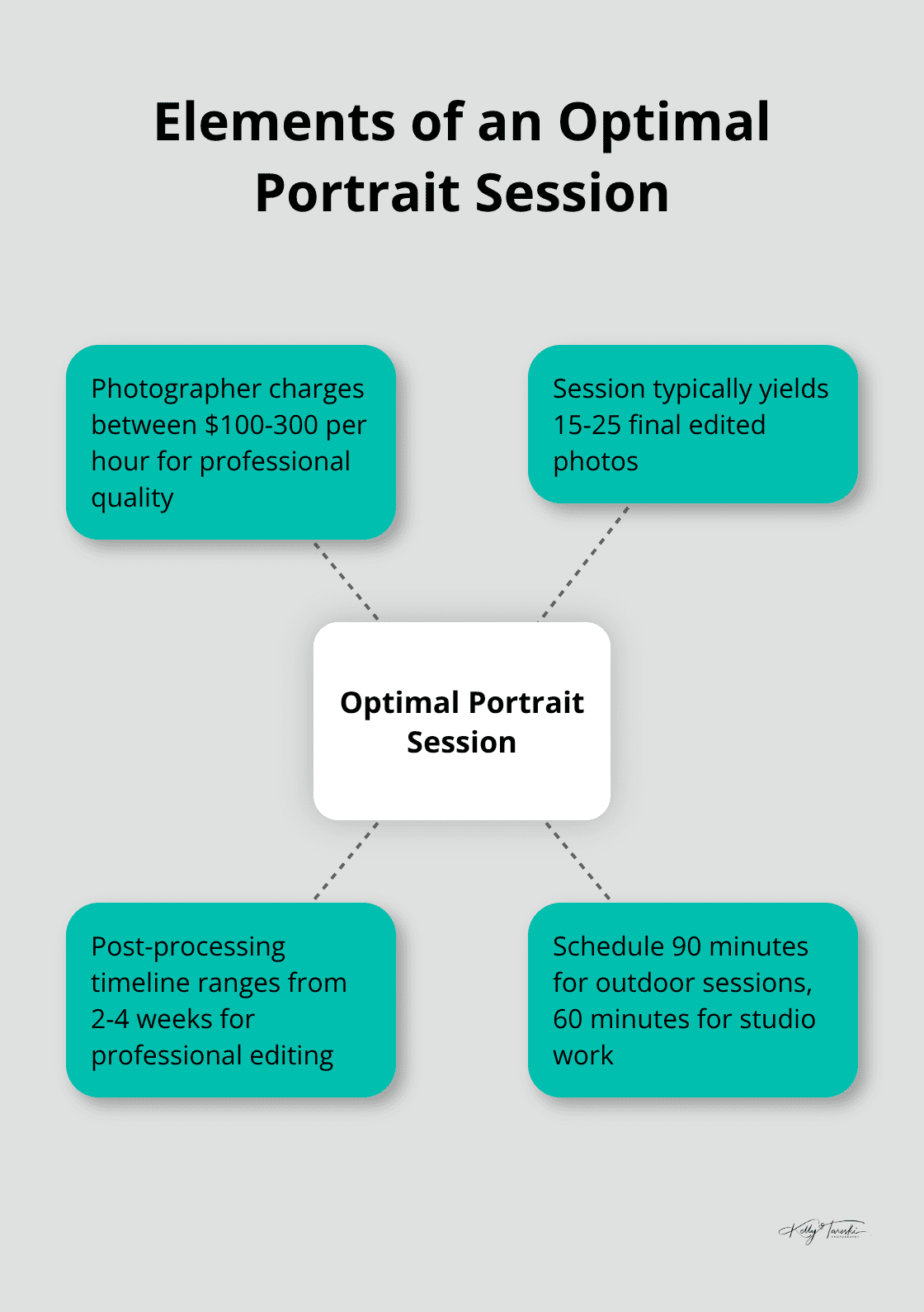
Session length should match the number of people, locations, outfit changes, lighting setups, and finished images being planned. Ask how much time your photographer recommends, how late arrivals affect the session, and whether changing or travel time is included. Build realistic transition time into the plan instead of relying on one fixed schedule. Also confirm the photographer’s post-processing and delivery timeline directly, since turnaround and final image counts vary by photographer and session type.
Final Thoughts
Photo session preparation is most useful when it reduces last-minute decisions. There is no required 14-day timeline, solid-color rule, or golden-hour schedule. Confirm the practical details early enough for your session, then use a short final check for wardrobe, timing, location, weather, and anything your photographer needs to know.
Preparation does not guarantee a specific number of final images, but it can make the session easier to use well. Clear expectations about wardrobe, weather backups, timing, communication, and what matters most to you help the photographer plan the experience around the actual goals of the session.
Editing and delivery timelines vary by photographer, season, and session type, so confirm the expected turnaround before you book. At Kelly Tareski Photography, portrait planning is personalized around the people, purpose, and finished artwork rather than a one-size-fits-all checklist. Knowing what happens after the session is part of good preparation, just like wardrobe, timing, and location planning.
Education Most Searched Articles
- Kelly Tareski Photography Homepage
- How to Choose Background Colors to Complement Skin Tones
- Choosing the Best Lens for Stunning Senior Portraits
- 5 Tips Using the Nikon Z7ii Camera for Portrait Photography
- Exploring Spokane Through a Lens: Must-Visit Photo Locations
- How to Choose the Best Lenses for Senior Portraits
- When to Use a Neutral Background in Photography
- Top Posing Ideas for Solo Portraits: Looking Confident and Natural
- The Economy and Photography
- How the Economy Impacts Photography
- How to Weather Economic Slumps as a Photographer
- Finding Creative Ways to Promote Your Photography on a Budget
- Free and Low-Cost Resources for Photographers