
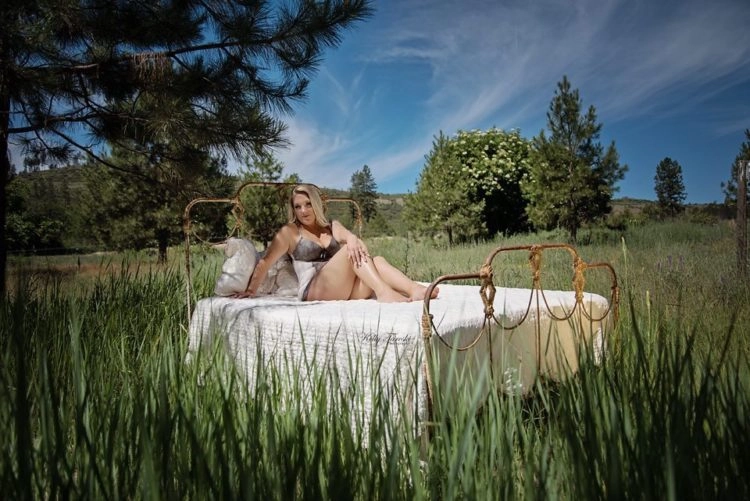
How to Feel Powerful and Beautiful During Boudoir Sessions
You do not need to feel powerful, beautiful, fearless, or camera-ready before booking a boudoir session. Those feelings are personal, and a successful portrait session does not depend on reaching a particular mindset first.
This guide focuses on practical ways to feel more prepared during a KTP boudoir session: understanding the process, choosing wardrobe you are comfortable in, communicating boundaries, and using guided posing without giving up control.
How Can You Feel More Prepared Before a Boudoir Session?
Learn the Process Instead of Trying to Fix Your Mindset
You do not need affirmations, a body-confidence exercise, or a week of mental preparation. It is often more useful to know where the session happens, how posing is guided, what privacy options exist, and what you can do if you want to pause or change direction.
Define Boudoir for Yourself
Boudoir can be romantic, subtle, playful, editorial, dramatic, fully covered, revealing, or a mix of styles. It can be for you, a partner, or no particular occasion at all. Deciding what you do and do not want is more useful than trying to match someone else’s idea of confidence.
Professional Hair and Makeup Are Optional
If styling would help create the look you want, review KTP’s Hair & Makeup options. Professional styling is not a requirement, and it should not be framed as correcting your face, skin, or hair before you are ready to be photographed.
Use Familiar Self-Care Rather Than a Portrait Beauty Regimen
You do not need a special hair-removal schedule, new skincare routine, hydration program, or beauty-prep timeline. If you choose grooming or styling services, stick with approaches you know and use timing that lets you feel comfortable with the result.
Choose Wardrobe Around Comfort and Coverage
Bring pieces that fit, move well, and match the coverage you want. They do not have to be lingerie, new, expensive, or selected for a particular body type.
How Do Trust and Boundaries Work During Boudoir?
Review the Photographer’s Actual Work and Process
Look for a portfolio that matches the level of coverage, editing, lighting, and posing you prefer. Also ask how privacy, changing space, image sharing, and support people are handled. Those practical details matter as much as the visual style.
State Boundaries Clearly Before and During the Session
You can identify poses or levels of coverage you do not want, and you can change your mind during the shoot. You do not need to explain scars, body concerns, personal history, or other private information unless it is relevant to a practical accommodation you want to discuss.
Ask Questions Without Giving Up Control
A consultation is a good time to ask who will be present, where you will change, whether a trusted support person can attend, how posing is directed, and what happens if you want to stop or modify a concept.
Styling Does Not Replace Communication
Hair, makeup, wardrobe, or a polished set may affect the visual style, but none of those elements makes consent less important. Comfort comes from knowing you can participate in the creative process rather than being expected to surrender to it.
How Can You Stay Present Without Giving Up Control?
You do not need to monitor every pose or expression, but you also do not need to surrender judgment to the photographer. Guided posing works best as a collaboration: listen to the cue, notice whether the position is comfortable, and speak up when you want an adjustment.
Let the Photographer Handle the Technical Decisions
You can leave camera settings, lighting, lens choice, and composition to the photographer. That does not mean ignoring your own comfort. A technically strong pose is not useful if it crosses a boundary or causes pain.
Awkward Can Be Fine, Painful or Unwanted Is Not
Some portrait poses feel unfamiliar because people do not normally hold still in those positions. If something merely feels new, the photographer can explain what the pose is doing visually. If it hurts, feels too revealing, or simply is not something you want, ask to change it.
You Do Not Have to Embrace Every Feature or Imperfection
Boudoir does not require a public declaration of self-love or acceptance. You can have preferences about retouching, wardrobe, angles, or coverage without turning the session into a lesson about how you should feel about your body.
Final Thoughts
You do not have to arrive at a boudoir session feeling powerful or beautiful, and you do not have to leave with a new relationship to your body. The practical goal is a respectful, guided experience and portraits that match the style and boundaries you chose.
Understanding the process, asking questions, selecting comfortable wardrobe, and communicating during posing can make an unfamiliar session easier to navigate.
If you want to talk through privacy, posing, wardrobe, or support-person options before booking, contact Kelly Tareski Photography.
Related Boudoir Resources
Boudoir Photography Most Searched Articles
- Kelly Tareski Photography Home
- Kelly Tareski Photography Boudoir Gallery
- Boudoir Portrait Photography Spokane
- 20 Styles of Boudoir Photography
- The Couples Boudoir Photography Style
- What are Sexy Pictures? - Boudoir Photography
- Behind the Scenes of a Boudoir Photography Session
- The Outdoor Boudoir Photography Style
- The Classic Boudoir Photography Style
- What is a Boudoir Portrait
- The Black and White Boudoir Photography Style
- Why Boudoir Photography is the Ultimate Self-Love Experience