How to Use Photography to Elevate Your Professional Image
Quick answer: Professional photography can strengthen your public image when the photographs match how you actually work and where the images will be used. A useful set may include a clean headshot, environmental portraits, working images, detail photographs, and horizontal or vertical options for websites and social profiles.
For business-focused portrait planning, see branding and headshot photography and my guide to brand storytelling photography.
Professional Photography Types That Build Your Brand
Different types of professional photography serve distinct purposes in building your brand identity. Each style addresses specific business needs and communicates different aspects of your professional persona.
Headshots for Executive Presence and Credibility
A current headshot gives clients, colleagues, and collaborators a consistent visual reference across business profiles, websites, speaking materials, and directories. The useful question is not whether one style looks universally more credible, but whether the photograph fits your role, industry, audience, and normal professional presence.
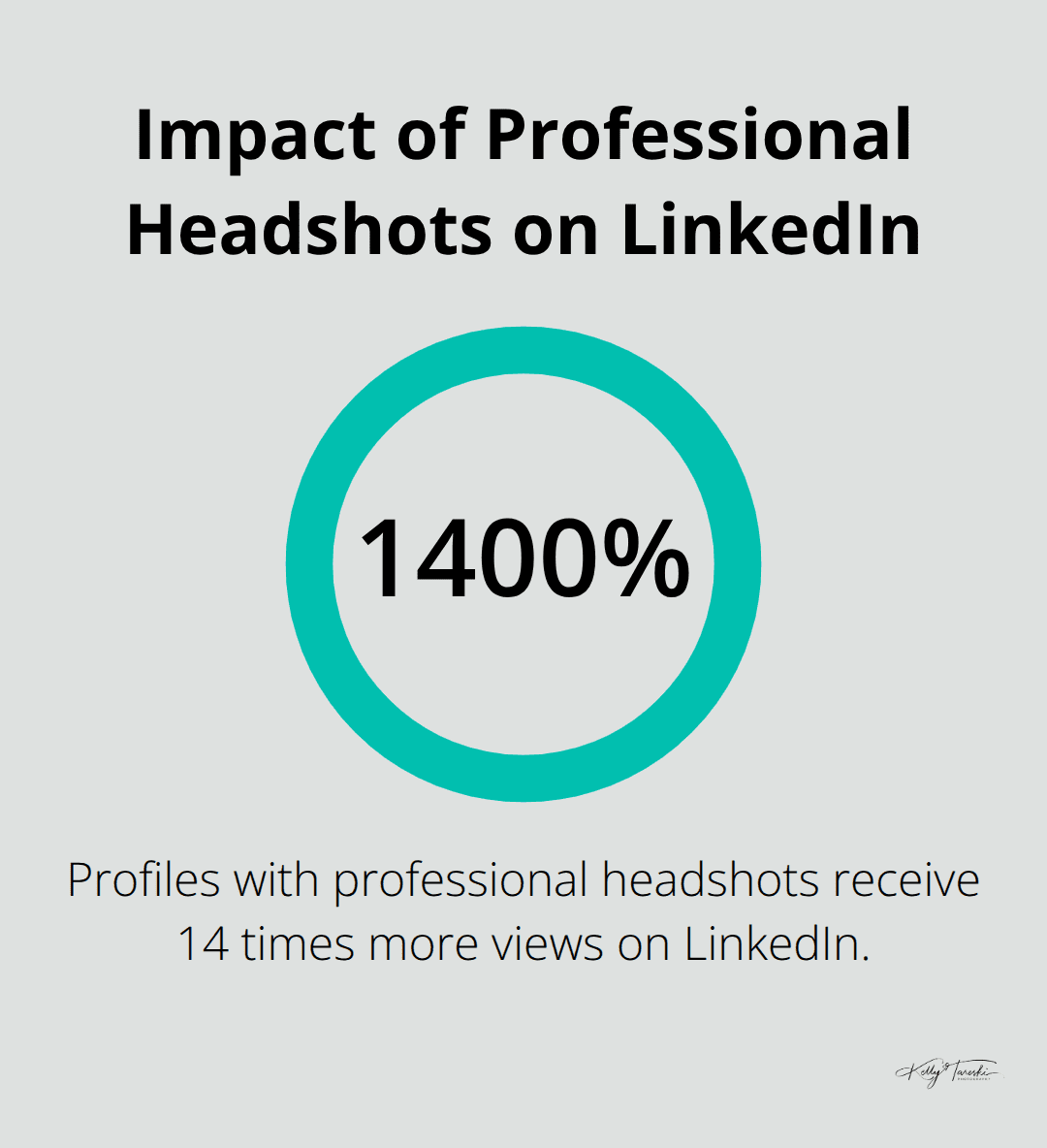
A strong headshot should feel recognizable and appropriate for how you actually present yourself professionally. Some industries lean more formal while others allow a more relaxed or creative look. Expression, posture, clothing, background, and crop should work together rather than follow one universal formula.
Brand Photography for Consistent Visual Identity
Brand photography extends beyond headshots to tell your complete professional story. These images showcase your work environment, team interactions, and company culture. Consistent visual elements across all platforms strengthen brand recognition and build trust with potential clients.
Professional brand photography can replace generic stock imagery with photographs of your actual people, environment, process, products, and services. That can make the visual story more specific to the business and easier to reuse across websites, social media, presentations, and other marketing materials.
Corporate Event Photography for Team Culture
Corporate event photography captures your organization’s personality and values in action. These images demonstrate team collaboration, company achievements, and workplace culture. They provide authentic content for marketing materials, social media, and recruitment efforts.
Event photography shows potential clients and employees what working with your company feels like. Candid shots of team meetings, celebrations, and professional gatherings humanize your brand. This visual storytelling approach helps prospects connect emotionally with your business before making contact decisions.
The next step involves understanding how technical elements like lighting, wardrobe, and composition transform ordinary photos into powerful professional tools.
Key Elements of Powerful Professional Images
Technical excellence separates amateur snapshots from images that command professional respect. Proper execution of lighting, wardrobe, and composition transforms ordinary photos into powerful business tools that communicate authority and competence.
Lighting Techniques That Convey Authority
Lighting should support the face, clothing, background, and intended mood. Window light, studio flash, continuous light, and environmental light can all work well when their direction and contrast are controlled deliberately. The useful setup depends on the subject and the final image rather than one fixed angle or key-to-fill ratio.
Window light provides soft, even illumination that flatters most face shapes. Professional photographers position subjects perpendicular to large windows to achieve this effect. Ring lights work well for video calls but lack the depth needed for high-quality still photography.
Wardrobe and Styling Choices That Reflect Your Industry
Solid colors can be easy to coordinate, but patterns, texture, and stronger color can also work when they fit the person, background, and purpose of the photographs. Choose clothing that feels appropriate for your role and normal style rather than assigning personality traits to a specific color.
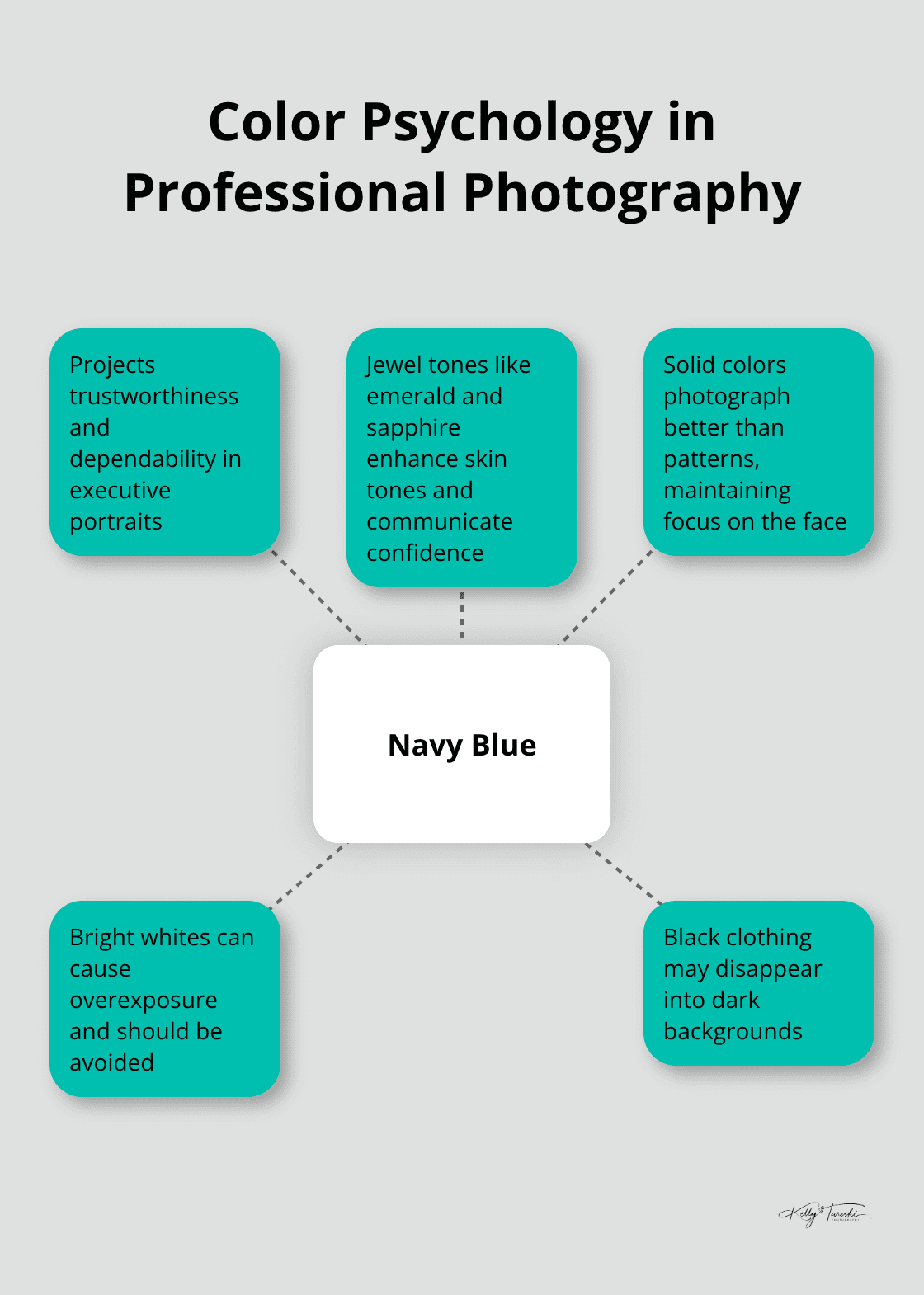
Bright whites can cause overexposure and black clothing disappears into dark backgrounds. Your outfit should reflect your industry standards – financial professionals need conservative suits while creative directors can embrace bolder choices. Professional photo branding requires careful consideration of textures that add visual interest without the distraction that patterns create (wool suits photograph particularly well under studio lights).
Composition and Background Selection for Maximum Impact
Neutral backgrounds in gray or white keep attention on the subject and work across all professional platforms. The rule of thirds applies to professional headshots – photographers position your eyes along the upper third line for optimal visual impact. Tight cropping from mid-chest up works best for LinkedIn and business card applications.
Environmental backgrounds can strengthen personal branding when the workspace or setting helps explain what you do. Depth of field can be adjusted to show more context or reduce background distraction, but the right aperture depends on focal length, subject distance, group size, available light, and how much of the environment should remain recognizable.
These technical foundations set the stage for successful collaboration with your chosen photographer, where preparation and clear communication maximize your investment.
Working with a Professional Photographer
The right photographer demonstrates consistency in style and quality across different subjects and lighting conditions in their portfolio. Examine their experience with your industry – corporate executives need photographers who understand conservative business standards while creative professionals require someone who grasps artistic expression. Ask about typical turnaround time, number of final edited images included, and whether they provide both high-resolution and web-optimized versions. Request raw, unedited samples alongside finished work to understand their editing philosophy and technical skills.
Questions That Reveal Professional Expertise
Professional photographers should answer specific technical questions about their equipment, backup systems, and post-production workflow. Ask how they handle challenging lighting conditions and what contingency plans exist for equipment failures. Inquire about their client preparation process and whether they provide style guides before sessions. Request references from clients in similar industries to verify their ability to deliver appropriate results for your professional needs.
Session Preparation That Maximizes Results
Give yourself enough planning time for wardrobe, grooming, location, team coordination, and image-use decisions. Ask your photographer what preparation information they provide and how many wardrobe changes make sense for the session you booked. Follow the studio’s stated arrival time so setup and session timing stay predictable.
Strategic Planning for Multiple Image Uses
Discuss specific image applications during the planning phase – LinkedIn headshots require different cropping than website hero images or marketing materials. Professional photography sessions serve multiple business purposes and provide valuable content for various marketing applications. Plan for tight headshot crops for LinkedIn profiles, business cards, and email signatures while wider compositions work better for website about pages and speaking materials.
Maximizing Your Photography Investment
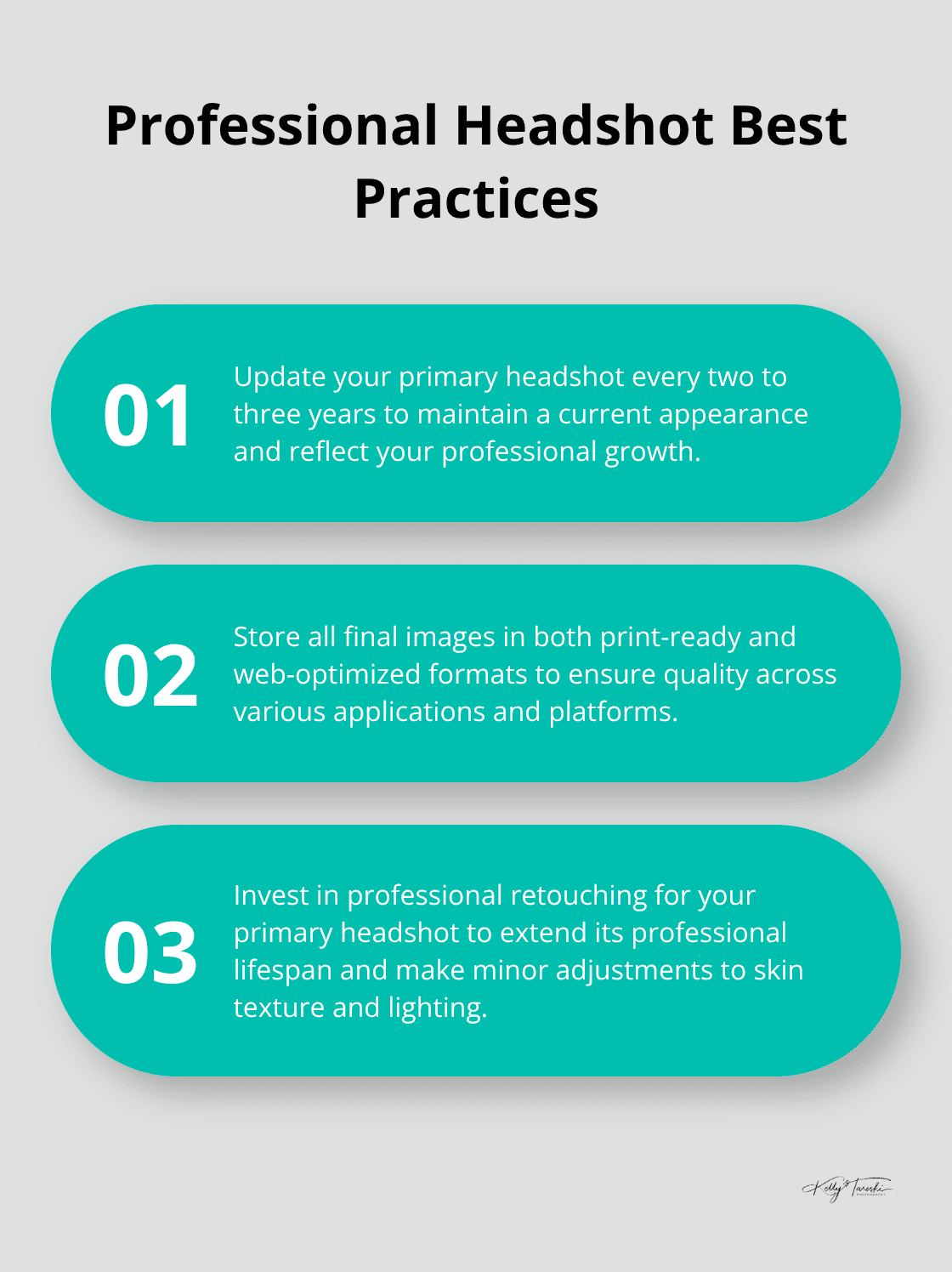
Keep final files organized for the uses your photographer licenses or delivers, including web, social, print, and presentation needs when available. Environmental images can extend the usefulness of the session beyond a single headshot. Update your primary photograph when your appearance, role, branding, or intended use changes enough that the current image no longer represents you well.
Final Thoughts
Professional photography can be a useful business investment when the resulting images solve real communication needs across profiles, websites, presentations, marketing materials, and other channels. Its value depends on how well the photographs fit the business and how effectively they are used, not on a guaranteed financial return.
Personal branding through professional images builds relationships with clients and colleagues who remember polished, consistent visuals. Your investment extends beyond single-use headshots to comprehensive brand assets that support business growth. We at Kelly Tareski Photography bring experience to capture images that reflect your expertise and personality.
The competitive advantage of professional photography becomes clear when prospects choose between similar service providers. Your visual presentation often determines whether potential clients contact you or move to competitors with stronger professional images (this decision happens within seconds of viewing your profile). Schedule a consultation to discuss your specific business needs and brand objectives.
Education Most Searched Articles
- Kelly Tareski Photography Homepage
- How to Choose Background Colors to Complement Skin Tones
- Choosing the Best Lens for Stunning Senior Portraits
- 5 Tips Using the Nikon Z7ii Camera for Portrait Photography
- Exploring Spokane Through a Lens: Must-Visit Photo Locations
- How to Choose the Best Lenses for Senior Portraits
- When to Use a Neutral Background in Photography
- Top Posing Ideas for Solo Portraits: Looking Confident and Natural
- The Economy and Photography
- How the Economy Impacts Photography
- How to Weather Economic Slumps as a Photographer
- Finding Creative Ways to Promote Your Photography on a Budget
- Free and Low-Cost Resources for Photographers