
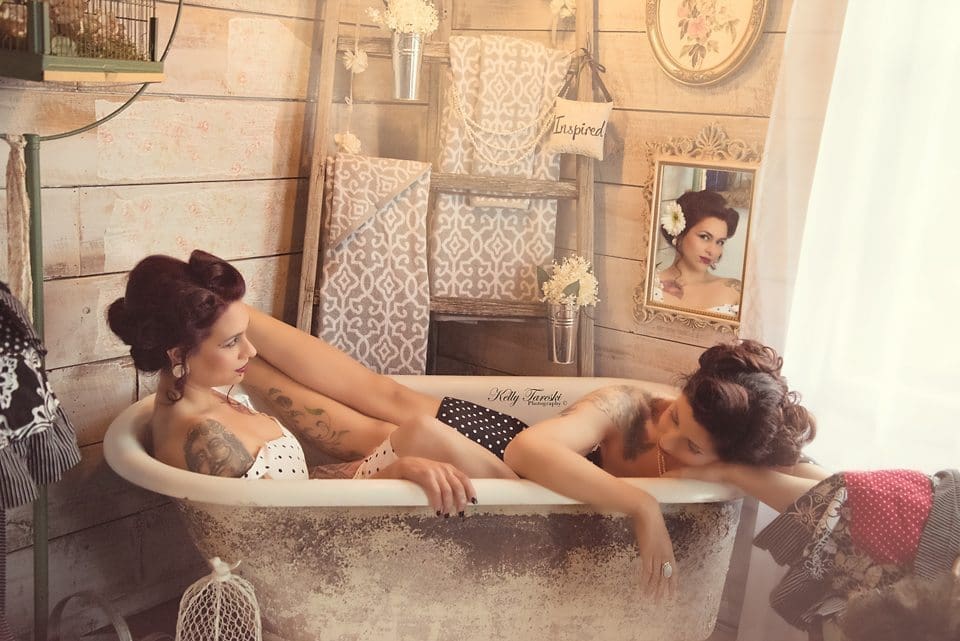
How to Collaborate With Your Photographer for Better Photos
At Kelly Tareski Photography, we know that creating stunning images is a collaborative effort. The magic happens when photographer and subject work together seamlessly.
This post will guide you through the process of partnering with your photographer to achieve exceptional results. We’ll explore how to align your vision with the photographer’s artistic vision, communicate effectively during the session, and prepare for a successful shoot.
Quick answer: Good collaboration with a photographer starts before the session. Share the purpose of the photos, examples of what you like, any must-have people or details, and practical concerns such as mobility, privacy, timing, or comfort. Then leave room for the photographer to translate that information into light, posing, locations, and composition.
For related planning, see how to stay present during a portrait session and pre-shoot preparation tips.
How to Sync with Your Photographer’s Vision
Explore Their Portfolio
Review your photographer’s portfolio to understand the style, expression, lighting, locations, and level of guidance you can expect. Look for consistency and for examples that feel relevant to the kind of session you are planning rather than trying to reverse-engineer camera techniques from the images.
Schedule a Pre-Shoot Consultation
Set up a detailed consultation before your session. This is your chance to discuss your goals and learn about the photographer’s creative process. Be specific about what you want, but also remain open to their professional input. Pre-session consultations not only improve the shoot’s quality but also foster lasting client relationships. For example, if you’re after a vintage look, your photographer might suggest locations or props that enhance this aesthetic.
Share Your Inspiration
Create a mood board or collect sample images that align with your vision. This visual aid can bridge any communication gaps and ensure you’re both on the same page. However, the goal isn’t to replicate these images exactly, but to use them as a springboard for your unique shoot.
Discuss the Experience and Deliverables
You usually do not need to discuss cameras, lenses, or lighting equipment to collaborate well. It is more useful to understand the session flow, location options, posing guidance, retouching approach, image-selection process, and what finished photographs or products are included.
Align on the Shoot’s Purpose
Clearly communicate the purpose of your photoshoot. Whether it’s for personal memories, professional branding, or a specific event, knowing the end goal will help your photographer tailor their approach. This alignment ensures that the final images not only look stunning but also serve their intended purpose effectively.
The most stunning images often result from a balance between your desires and the photographer’s expertise. Your next step is to learn how to communicate effectively during the actual photo session, which we’ll cover in the following section.
How to Communicate During Your Photo Session
Express Your Ideas Clearly
Don’t hesitate to share your thoughts during the shoot. If you envision a specific pose or angle, tell your photographer. For example, if you want a silhouette shot at sunset, express that desire. Photographers appreciate clients who actively contribute to the creative process.
Trust Professional Guidance
Your ideas matter, but remember you’re working with an expert. When your photographer suggests a particular pose or location, give it a try. They’re trained to see things through the camera lens that might not be apparent to you. They might notice how the light hits your face at a certain angle, creating a beautiful, soft glow.
Offer Specific Feedback
If something doesn’t feel right or you’re uncomfortable with a pose, speak up immediately. Be precise about what’s not working for you. Instead of saying “I don’t like this,” try “I feel a bit stiff in this pose. Can we try something more relaxed?” This kind of detailed feedback helps your photographer make quick adjustments.
Maintain a Positive Atmosphere
Keep the mood light and enjoyable. Smile, laugh, and engage in friendly conversation with your photographer. A relaxed atmosphere (both for you and the photographer) often leads to more natural, authentic shots. Don’t be afraid to joke around or share anecdotes – this can help you feel more comfortable on camera.
Ask Questions
If you’re unsure about anything during the session, ask. Whether it’s about the lighting setup, the reason for a specific pose, or how to position yourself, your photographer will appreciate your curiosity and engagement. This open dialogue can lead to a better understanding of the process and potentially even more creative ideas.
Your ability to communicate effectively sets the stage for truly remarkable photographs. Now, let’s explore how you can prepare for your photography session to ensure everything runs smoothly from the moment you arrive.
How to Prepare for Your Photography Session
Choose Wardrobe That Supports the Session
Select clothing that feels comfortable, recognizable, and appropriate for the kind of portraits you want. Solids, patterns, bold colors, neutrals, and accessories can all work when they are intentional. For groups, coordination can help, but exact matching and fixed seasonal color palettes are not required.
Select a Location That Fits the Story
The backdrop helps shape the mood of the session. Outdoor, studio, home, business, garden, and urban locations can all work depending on the purpose of the photographs. There is no single best time of day for every location; your photographer can plan the light around the setting and the style you want.
Plan Grooming and Styling Around Your Preferences
Hair, makeup, facial hair, and grooming should reflect how you want to look in the photographs. There is no requirement to wear heavier makeup, choose a particular hairstyle, or follow different grooming rules based on gender. Use familiar products and styles when possible, and discuss professional hair and makeup if that is part of the experience you want.
Prepare Your Props
Props can add personality and context to your photos. If you’re a musician, bring your instrument. For book lovers, a favorite novel can create a cozy atmosphere. Athletes might want to include their gear. Try to select items that tell your story and align with the shoot’s theme.
Plan Enough Time to Arrive Prepared
Give yourself enough time to arrive, settle in, and handle any last-minute details without feeling rushed. If professional hair and makeup is part of your plan, coordinate the timing with the photographer or stylist rather than relying on a universal two- or three-hour rule.
Final Thoughts
Strong collaboration comes from clear communication and realistic expectations on both sides. Share the purpose of the photographs, what matters to you, and any practical concerns, then give the photographer room to translate that information into light, composition, posing, and timing. You do not need to understand every part of the photographer’s artistic process for the session to work well.
At Kelly Tareski Photography, collaboration means combining your preferences with clear professional guidance. That approach applies across senior portraits, family photography, branding, and other sessions.
Contact Kelly Tareski Photography to start a conversation about the kind of portrait experience and finished images you want to create.
Boudoir Photography Most Searched Articles
- Kelly Tareski Photography Home
- Kelly Tareski Photography Boudoir Gallery
- Boudoir Portrait Photography Spokane
- 20 Styles of Boudoir Photography
- The Couples Boudoir Photography Style
- What are Sexy Pictures? - Boudoir Photography
- Behind the Scenes of a Boudoir Photography Session
- The Outdoor Boudoir Photography Style
- The Classic Boudoir Photography Style
- What is a Boudoir Portrait
- The Black and White Boudoir Photography Style
- Why Boudoir Photography is the Ultimate Self-Love Experience