
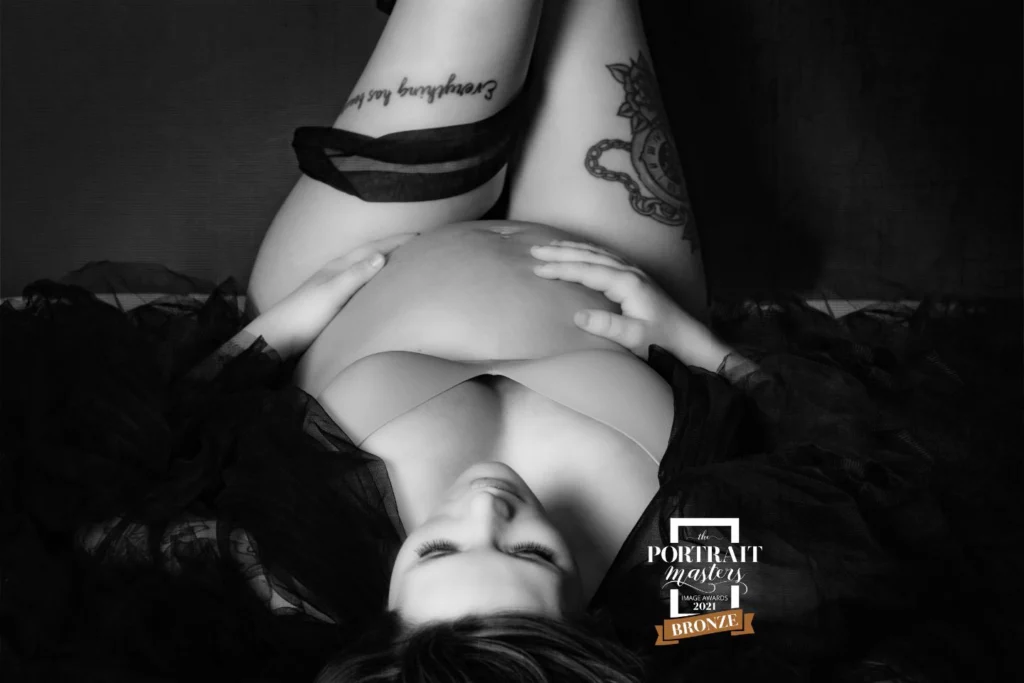
The Importance of a Relaxed Atmosphere in Photoshoots
At Kelly Tareski Photography, I pay attention to the environment and communication because they can influence how easy a portrait session is to navigate.
A comfortable, organized space can support clear direction and give clients room to settle into the process. This article looks at practical ways photographers can create a welcoming setting, communicate clearly, and adapt the pace of a session without promising a particular emotional outcome.
How to Create a Welcoming Studio Space
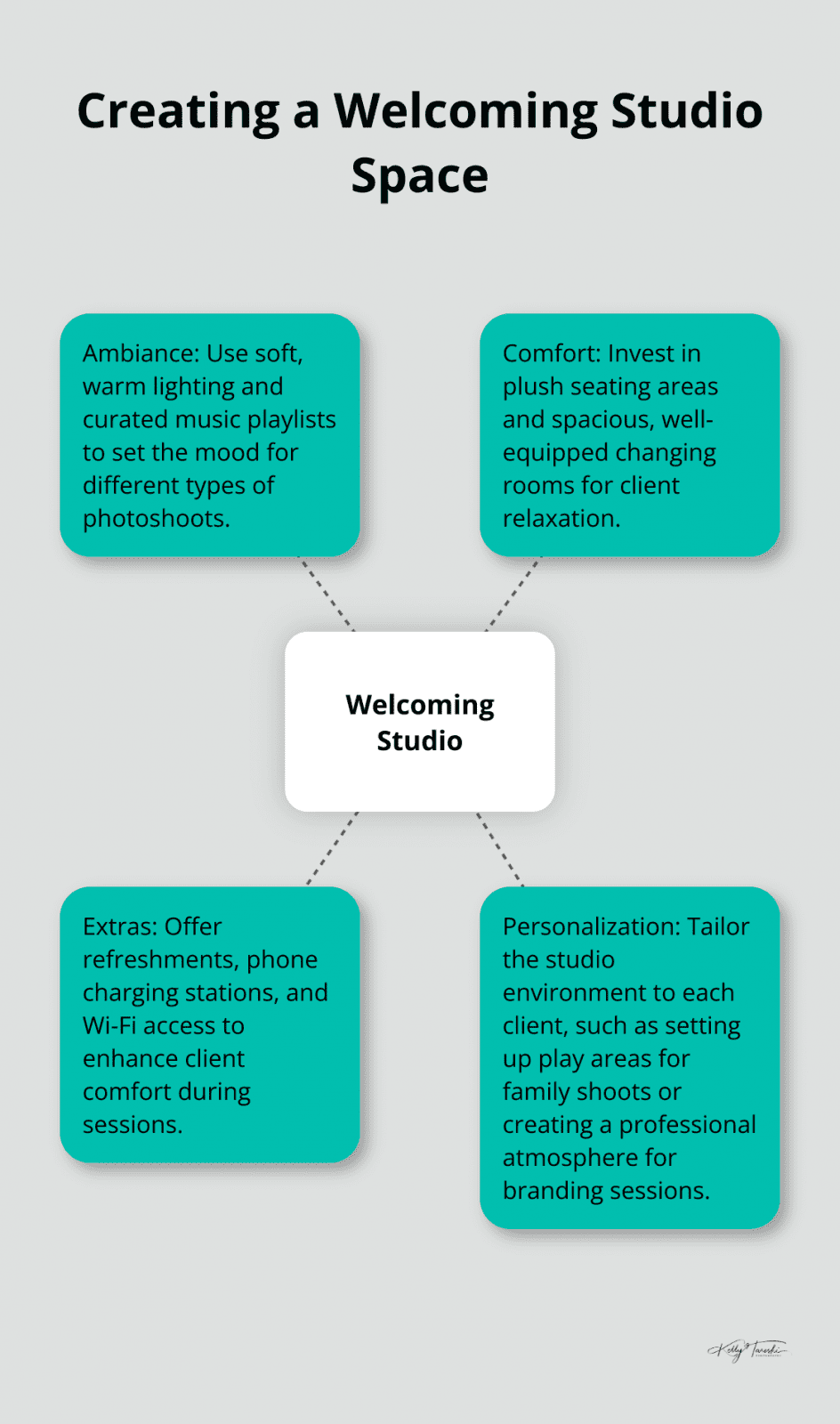
At Kelly Tareski Photography, I’ve spent years creating a comfortable environment for my clients. My studio, nestled on a picturesque five-acre property in Nine Mile Falls, just outside Spokane, serves as the perfect backdrop for relaxed and natural photoshoots.
Use the Space Intentionally
Lighting, background, temperature, sound, seating, privacy, and the amount of visible equipment can all affect the practical feel of a session. Natural light and studio lighting can both work, so choose the setup for the portrait rather than assuming one lighting style will make every client comfortable.
Music can be offered when it fits the client and session, but quiet direction may be preferable for others. Ask rather than assuming one atmosphere works for everyone.
Comfort is Key
Comfort extends beyond visual and auditory elements. We’ve invested in plush seating areas where clients can relax before and between shots. Our changing rooms are spacious and well-equipped, ensuring clients feel comfortable as they prepare for their session.
Practical Details Matter
Explain where clients can change, place belongings, sit between setups, and move through the studio or location. If a session has accessibility, privacy, wardrobe, or support-person requirements, discuss those details before the shoot rather than assuming what the client needs.
Personalization Matters
Different sessions call for different pacing and setups. A family session, senior portrait, branding session, or boudoir session may use the space differently. Plan the environment around the photographs, number of people, wardrobe, privacy, and movement involved.
But creating a welcoming space is just the first step. Next, we’ll explore how to build rapport with clients to further enhance their comfort and confidence during the photoshoot.
How to Connect with Your Photography Clients
The Power of Genuine Conversation
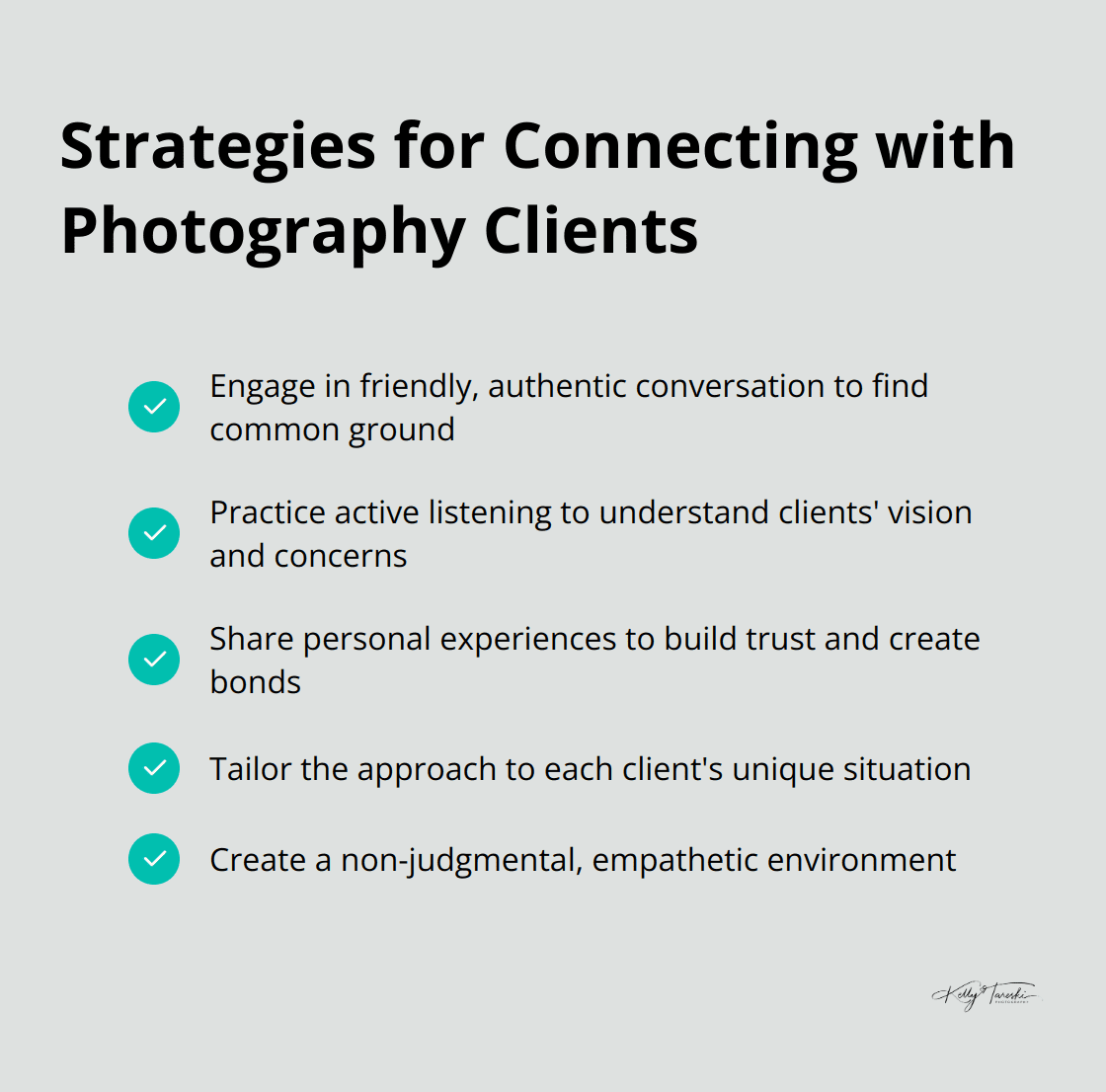
We start by engaging in friendly, authentic conversation. This isn’t about small talk; it’s about finding common ground. We discuss shared interests, favorite local spots, or exciting plans for the future. This approach helps clients see us as real people, not just photographers behind a camera.
Listening: The Key to Understanding
Active listening transforms the photography experience. We pay close attention to our clients’ words, tone, and body language. This helps us understand their vision, concerns, and expectations. If a client mentions feeling nervous about close-up shots, we adjust our approach accordingly.
Explain the Process Rather Than Forcing Rapport
Some clients enjoy conversation and personal stories, while others prefer straightforward direction. Building rapport does not require the photographer to manufacture closeness. Listening, answering questions, explaining the process, and respecting privacy can be enough to establish a productive working relationship.
Tailoring the Experience
Every client is unique, and we adapt our approach accordingly. For senior portraits, we discuss college plans and career aspirations. For family sessions, we chat about favorite family traditions. This personalized approach helps clients feel valued and understood.
Creating a Judgment-Free Zone
We emphasize creating a space where clients feel comfortable. This is particularly important for sessions like boudoir or maternity shoots where clients might feel vulnerable. We assure clients that our studio is a non-judgmental, empathetic environment to facilitate open communication.
Great photography isn’t just about capturing images; it’s about capturing moments. Those moments are best revealed when clients feel truly comfortable and connected. Now that we’ve established how to build rapport with clients, let’s explore techniques for easing tension during the actual photoshoot (which can be a nerve-wracking experience for many).
How to Ease Tension During a Photoshoot
The Power of Laughter
Humor serves as a potent tool in photography. Sessions often start with a funny anecdote or light-hearted joke to break the ice. This approach helps clients relax and sets a positive tone for the entire shoot. A study by the Journal of Experimental Social Psychology found that shared laughter creates social bonds (which is exactly what photographers aim for in their sessions).
Mix Structured Posing With Movement
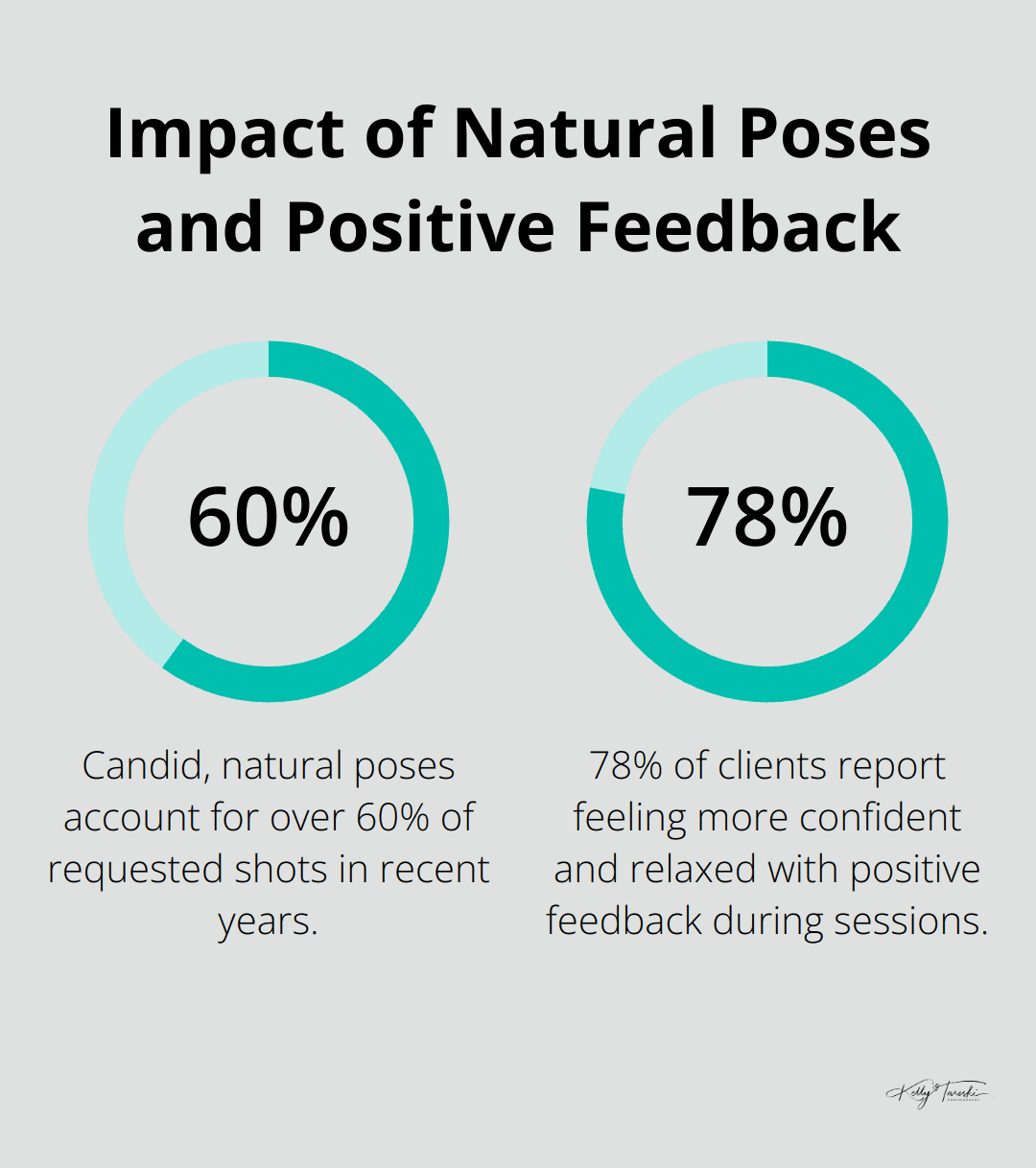
A session can combine traditional posed portraits with movement and more natural-looking moments. Walking, shifting weight, interacting with another person, or changing expression can create variety alongside more formal poses. Neither candid-looking nor highly directed portraits are inherently more authentic; use the approach that supports the image.
Give Useful Feedback
Feedback during a photoshoot should help the client understand what is working and what adjustment comes next. Depending on the photographer’s process, a client may also review selected frames during or after the session. The purpose is clear communication, not promising to create confidence.
Manage Distractions When They Interfere
Extra people, noise, phones, pets, or activity around a location may or may not be distracting depending on the session. Limit distractions when they interfere with direction, privacy, safety, or the photographs being created rather than treating a quiet set as a universal requirement.
The Art of Conversation
Keeping a steady stream of light conversation flowing during the shoot helps clients stay relaxed and engaged. Photographers ask about their interests, share stories, and keep the mood upbeat. This not only puts clients at ease but also helps capture more genuine expressions.
Final Thoughts
A well-planned atmosphere supports the photography process by making communication, movement, privacy, and pacing easier to manage. It does not guarantee that every client will feel relaxed or that one type of environment produces better portraits.
Photography education often emphasizes technical skills, but client communication and session planning matter too. Photographers can improve the experience by explaining the process, adapting direction, and creating a space that fits the type of portrait being made.
At Kelly Tareski Photography, I use those principles alongside posing, lighting, composition, and location choices. The goal is a professional, collaborative portrait session rather than a promise of a completely stress-free experience.
Boudoir Photography Most Searched Articles
- Kelly Tareski Photography Home
- Kelly Tareski Photography Boudoir Gallery
- Boudoir Portrait Photography Spokane
- 20 Styles of Boudoir Photography
- The Couples Boudoir Photography Style
- What are Sexy Pictures? - Boudoir Photography
- Behind the Scenes of a Boudoir Photography Session
- The Outdoor Boudoir Photography Style
- The Classic Boudoir Photography Style
- What is a Boudoir Portrait
- The Black and White Boudoir Photography Style
- Why Boudoir Photography is the Ultimate Self-Love Experience