
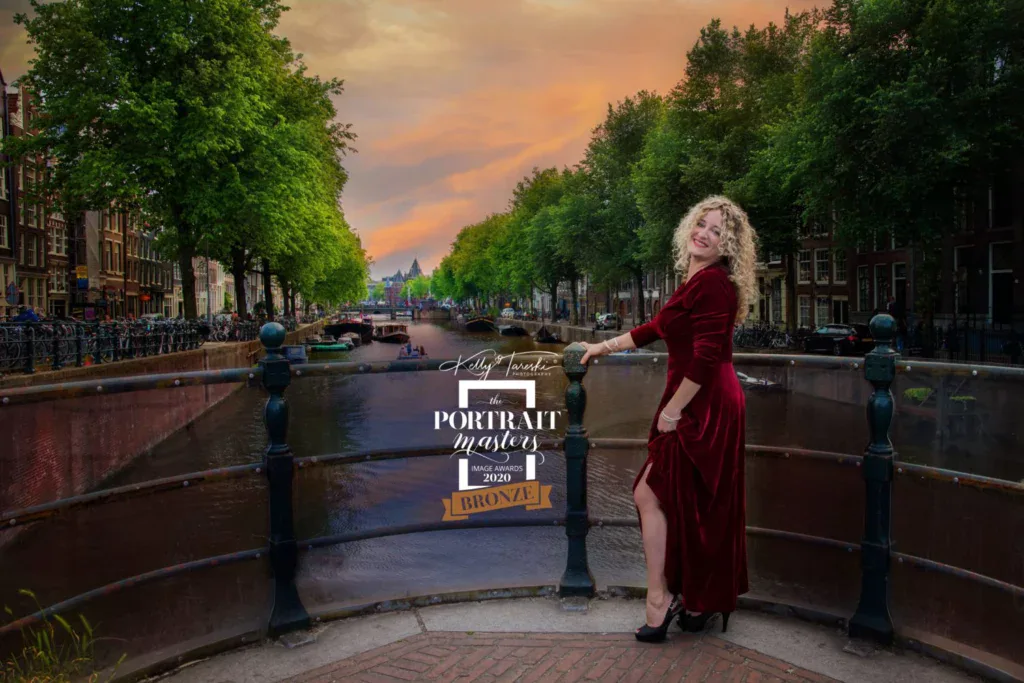
How Photographers and Clients Create Visual Masterpieces Together
The best photographs happen when photographers and clients work as true partners. Your artistic vision and our technical expertise combine to create images that matter.
At Kelly Tareski Photography, we’ve learned that collaboration isn’t just helpful-it’s what separates ordinary photos from ones you’ll treasure for decades. This blog post shows exactly how that partnership works.
How the Client-Photographer Relationship Shapes the Final Image
The relationship between photographer and client starts long before the camera comes out. Most clients don’t realize that what happens during the consultation phase directly determines the quality of the final images. Your photographer needs to understand not just what you want, but why you want it. A client who books a family session to update their holiday card has completely different needs than someone who books to create wall art for their living room. These distinctions shape everything from location selection to editing style to the final print size.

Clients who completed detailed pre-session consultations reported higher satisfaction with their results. This isn’t coincidence. When your photographer knows whether these photos will live on Instagram, in a physical album, or on your bedroom wall, they can compose and edit accordingly. They’ll know to leave space for text overlays or prioritize colors that match your home decor. They’ll understand whether you need a bold, energetic style or something timeless and understated. This clarity transforms the entire shoot from a guessing game into a focused collaboration.
Transparency About What’s Actually Possible
Your photographer should tell you hard truths early. If your vision doesn’t align with their style or technical capabilities, a good photographer will say so rather than deliver mediocre results. This honesty builds trust faster than empty promises. Many photographers hesitate to have these conversations because they fear losing the booking, but clients actually respect photographers who are direct. You need to know if your dream location has lighting challenges, if your outfit choice will photograph poorly, or if your timeline is too tight for the experience you’re imagining.
A two-week lead time before your session gives your photographer enough space to prepare a customized approach and gives you time to gather inspiration without feeling rushed. During this window, share your mood board, outfit ideas, and the specific moments that matter most to you. If you’re unsure what to share, your photographer should provide a questionnaire that captures your priorities and expectations, not generic forms that could apply to anyone.
The First Response Sets the Tone
How quickly your photographer responds to your initial inquiry matters more than you’d think. Responding within 24 hours signals that you’re important and that this partnership is a priority. When clients wait days for a response, they’ve already mentally moved on to the next photographer.

That first communication should also include a free downloadable resource that answers your most common questions. This positions your photographer as someone who serves first, sells second.
It answers practical questions about what to wear, how to prepare, and what to expect on the actual shoot day. When clients feel informed and prepared, they show up more confident and relaxed, and that translates directly into better photos. The next phase of your partnership-the actual consultation conversation-takes this foundation and builds something even more specific to your story.
From Planning to Finished Images
The Consultation Conversation Shapes Everything
Your photographer translates your vision into a concrete plan during the consultation conversation. This isn’t a casual chat-it’s a working session where specific decisions get made. Your photographer asks targeted questions about how you’ll use the final images, what emotions matter most to you, and which moments are non-negotiable. If you’re booking a family session, your photographer needs to know whether these photos will hang in your home, live on social media, or both. If it’s a branding shoot, they need to understand your industry, your ideal client, and how these images fit into your overall marketing.
A questionnaire before the call narrows the focus so the actual conversation moves faster and deeper. Professional Photographers of America recommends scheduling this consultation before your session, giving both of you time to prepare without the pressure of last-minute scrambling. During this window, your photographer shares a detailed session guide covering timeline, outfit recommendations, and specific tips for your shoot type. If you’re doing an engagement session, they’ll explain the benefits of a first look, how to position yourselves for natural-looking poses, and which locations photograph best in current lighting conditions.
Preparation Reduces Stress and Improves Results
This preparation reduces stress on shoot day and dramatically improves the final images because you arrive confident and ready rather than uncertain. Your photographer provides outfit guidance to help you choose color palettes, sleeve lengths, and textures that photograph well in typical environments. They recommend professional hair and makeup to ensure you look your best on camera. They explain how lighting works in your chosen location and suggest the best times of day for natural light. All of this happens before you step in front of the camera.
Technical Mastery Happens Behind the Scenes
On shoot day, your photographer manages light, composition, depth of field, and camera settings while simultaneously directing your energy and keeping you relaxed. The rule of thirds, leading lines, and depth of field aren’t abstract concepts-they’re tools your photographer uses to make sure your face, not a distracting background, holds the viewer’s attention. A text message the morning of your shoot expressing excitement and confirming logistics makes you feel prioritized and sets a positive tone for the hours ahead.
Post-Production Transforms Raw Captures Into Finished Art
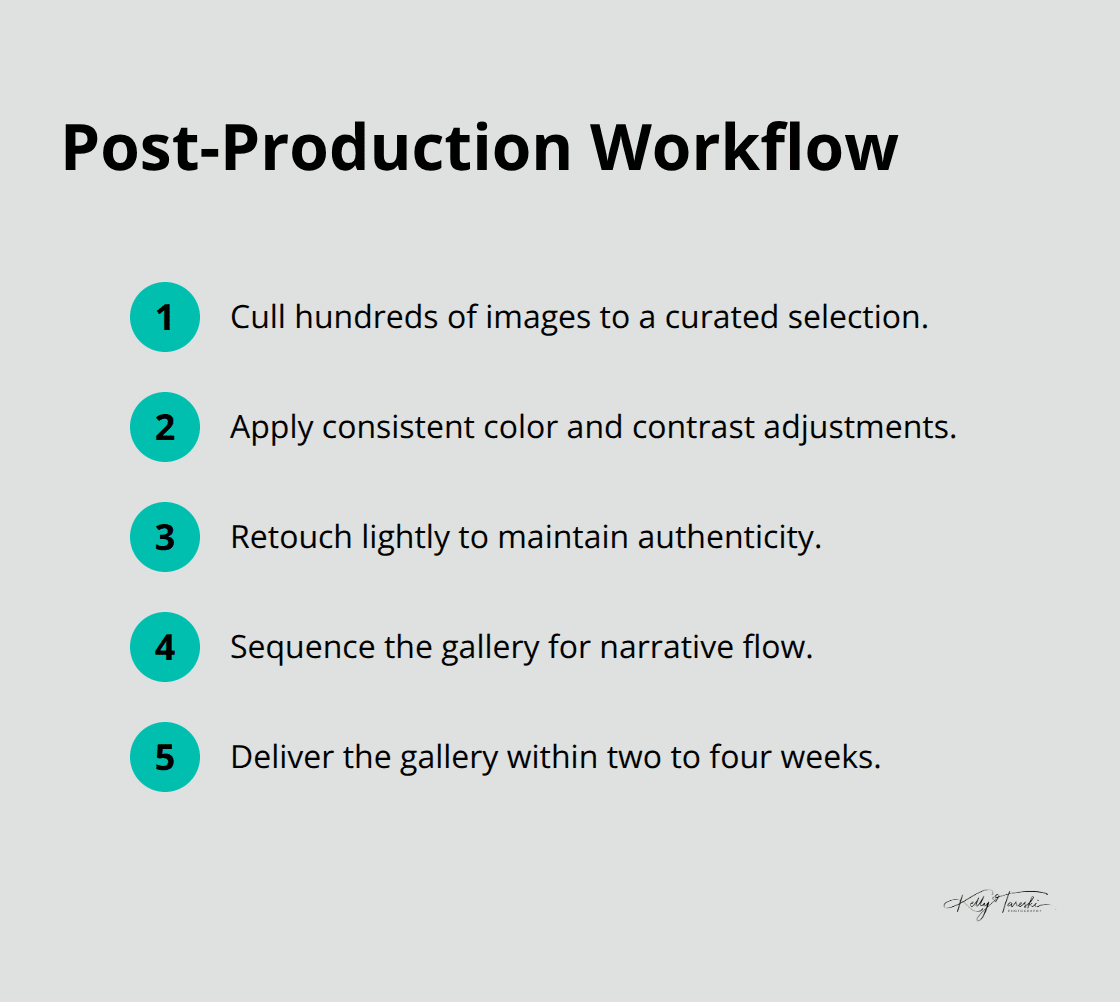
After the session, the real work begins in post-production. Your photographer culls hundreds of images down to the best ones, then edits for color, contrast, and consistency across the full gallery. This is where they apply their distinctive style and ensure every image matches your home’s aesthetic or your brand’s personality. Delivery typically happens within two to four weeks, though timelines vary by photographer. A thoughtful thank-you gift arrives within a week of booking-something tailored to your interests that reinforces the personal connection and makes you feel valued beyond the transaction.
What Happens Next Determines Your Long-Term Satisfaction
Once you receive your images, the partnership doesn’t end. How you use these photos and how your photographer supports that next phase shapes whether this becomes a one-time transaction or the start of an ongoing relationship. The images themselves are only half the story-what you do with them, how you display them, and how they fit into your life or business determines their true impact.
What Separates Good Photos From Ones You’ll Treasure
Lighting Creates Dimension and Emotion
Lighting determines whether a photo feels flat or dimensional, and it’s the single most important technical element your photographer controls. Natural light from a north-facing window creates soft, even illumination without harsh shadows across your face. Golden hour light-the hour after sunrise or before sunset-produces warm tones and directional light that sculpts your features beautifully. Your photographer positions you relative to light sources to ensure your eyes catch light and your face shows dimension rather than appearing washed out. They understand that shooting into the light creates rim lighting that separates you from the background, while backlit scenarios demand exposure adjustments to keep your face properly exposed.
Composition Guides the Viewer’s Eye
Composition works alongside lighting to direct attention exactly where it matters most. The rule of thirds places your eyes at the intersection points where they naturally draw attention, not dead center in the frame. Leading lines-a fence, a tree branch, a road-pull the viewer toward you rather than letting their gaze wander. Shallow depth of field isolates you from distracting backgrounds (keeping your subject sharp while softening everything behind you). Your photographer adjusts these elements in real time based on your location, the time of day, and how you’re positioned, making split-second decisions that most clients never notice but absolutely feel in the final images.
Authentic Emotion Transforms Technical Skill Into Art
Authentic emotion separates masterpieces from technically perfect but forgettable photos, and it’s where your collaboration matters most. Your photographer captures genuine moments rather than forced smiles-when subjects feel at ease, their true personalities shine through. Professional editing then amplifies these moments through consistent color grading, precise contrast adjustments, and careful attention to skin tone and eye clarity. Each image receives individual attention rather than a one-size-fits-all filter applied to the entire gallery.
Editing Enhances Your Story Without Altering Reality
Editing should enhance your natural beauty and the story within each frame, not transform you into an unrecognizable version of yourself. The final gallery arrives color-corrected for consistency, properly exposed, and edited to match your photographer’s distinctive style while staying true to how the moment actually felt. This combination-lighting precision, compositional intention, genuine captured emotion, and meticulous editing-transforms a collection of exposures into a cohesive body of work that tells your story authentically and beautifully (without losing the real you in the process).
Final Thoughts
The photographs that matter most capture who you actually are and tell the story of a specific moment in your life. That transformation happens because you and your photographer worked together as genuine partners through artistic vision collaboration, not because one person imposed their vision onto the other. When this partnership works, your photographer stops being a service provider and becomes someone who understands what matters to you-whether you want bold energy or quiet elegance, whether these images will hang on your wall or live in your business.
Choosing a photographer who actually listens changes everything. Many photographers hear what clients say but fail to listen to what they mean, while a true partner asks follow-up questions, takes notes during consultations, and remembers details you mentioned weeks earlier. They notice when you feel nervous and adjust their approach, they catch the genuine smile rather than waiting for the posed one, and they understand that your comfort and confidence directly determine the quality of the final images. This is what we do at Kelly Tareski Photography-we treat every project as an opportunity to create something you’ll treasure, with over 20 years of experience and services like hair and makeup included to help you feel confident on shoot day.
The legacy you build through photography extends far beyond the images themselves. These photos become the way your family remembers this chapter of life, how your business communicates its values to potential clients, and proof that you existed, that you mattered, that this moment was real. You’re not just creating pretty pictures-you’re creating a visual story that will outlast trends, social media algorithms, and changing technology.
Key Takeaways
- Collaboration between photographers and clients is essential for capturing memorable images.
- Clear communication during consultations shapes the quality of final images and builds trust.
- A quick initial response from photographers sets a positive tone for the partnership.
- Effective planning and preparation reduce stress and enhance the results on shoot day.
- Authentic emotions and meticulous editing transform photos into a cohesive visual story through artistic vision collaboration.
Education Most Searched Articles
- Kelly Tareski Photography Homepage
- How to Choose Background Colors to Complement Skin Tones
- Choosing the Best Lens for Stunning Senior Portraits
- 5 Tips Using the Nikon Z7ii Camera for Portrait Photography
- Exploring Spokane Through a Lens: Must-Visit Photo Locations
- How to Choose the Best Lenses for Senior Portraits
- When to Use a Neutral Background in Photography
- Top Posing Ideas for Solo Portraits: Looking Confident and Natural
- The Economy and Photography
- How the Economy Impacts Photography
- How to Weather Economic Slumps as a Photographer
- Finding Creative Ways to Promote Your Photography on a Budget
- Free and Low-Cost Resources for Photographers