

The Vintage Boudoir Photography Style
Read the parent article "20 Styles of Boudoir Photography"
What Is Vintage Boudoir Photography?
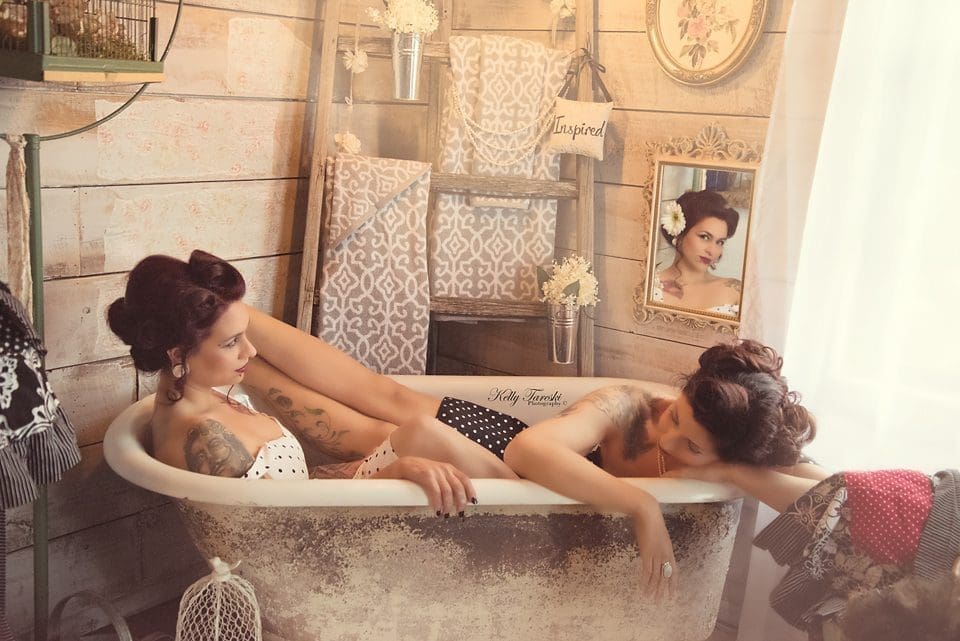
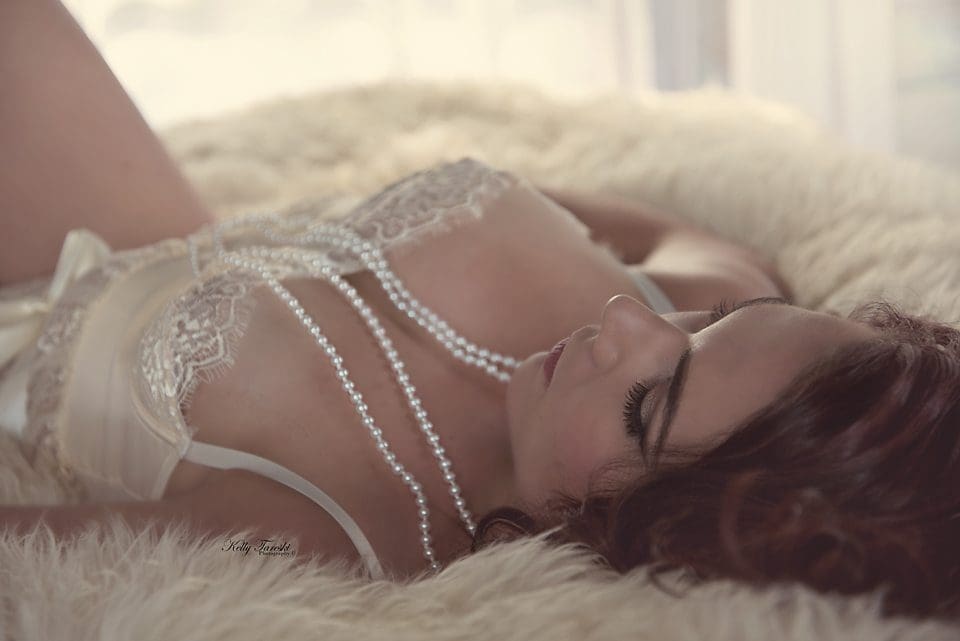
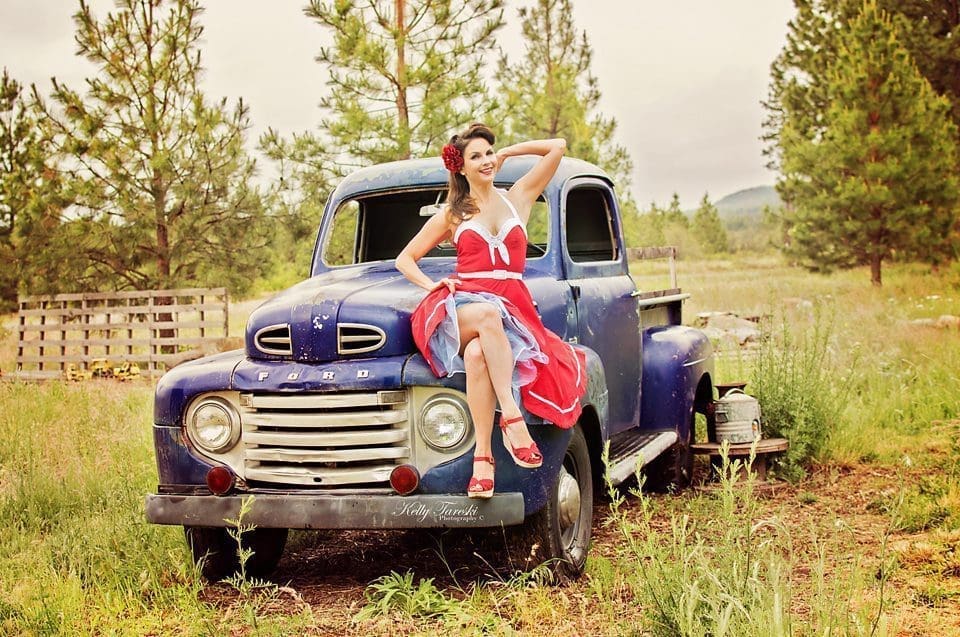
Vintage boudoir photography uses wardrobe, hair, makeup, props, backgrounds, lighting, posing, color treatment, and editing that reference an earlier visual era. The reference might come from old-Hollywood glamour, pin-up imagery, mid-century fashion, antique interiors, film photography, or another clearly defined period.
“Vintage” does not describe one required decade or one fixed boudoir formula. Start by choosing the era or visual references you actually like, then build the session around those details rather than simply adding random old-fashioned props.
What Makes a Boudoir Photograph Look Vintage?
A vintage look usually comes from a combination of period references rather than one isolated effect. Silhouette, fabric, hairstyle, makeup, furniture, typography, architecture, lighting, crop, grain, and color treatment can all contribute.
Vintage boudoir is inspired by earlier visual traditions, but a modern session does not need to reproduce a historical photograph exactly. It can borrow selected design cues while using current lighting, cameras, privacy practices, and client preferences.
Vintage Boudoir Photography Ideas for Building the Look
- Choose an era first: Decide whether the reference is old Hollywood, pin-up, 1920s-inspired, mid-century, 1970s, film-inspired, or another period.
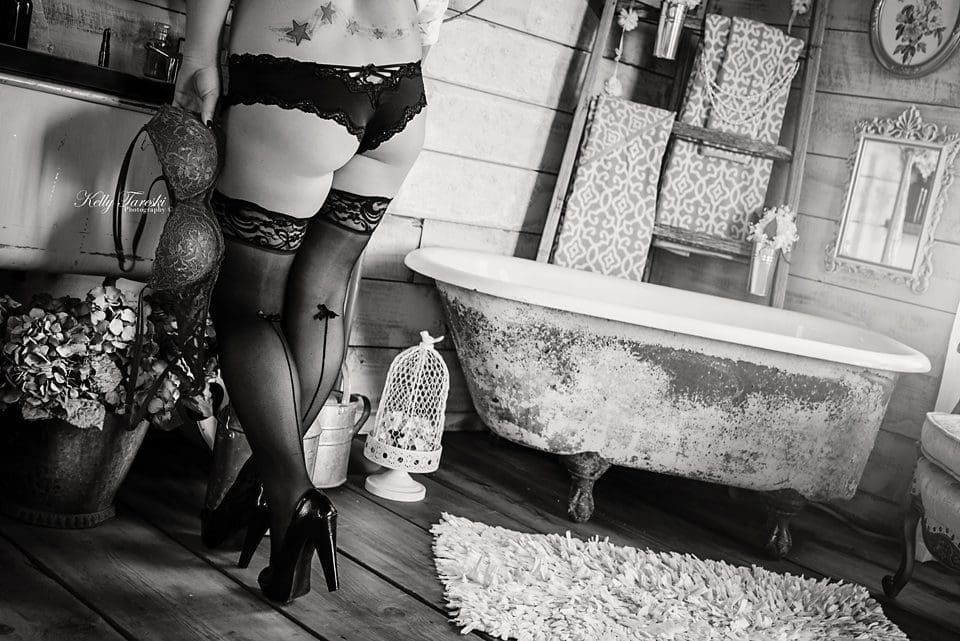
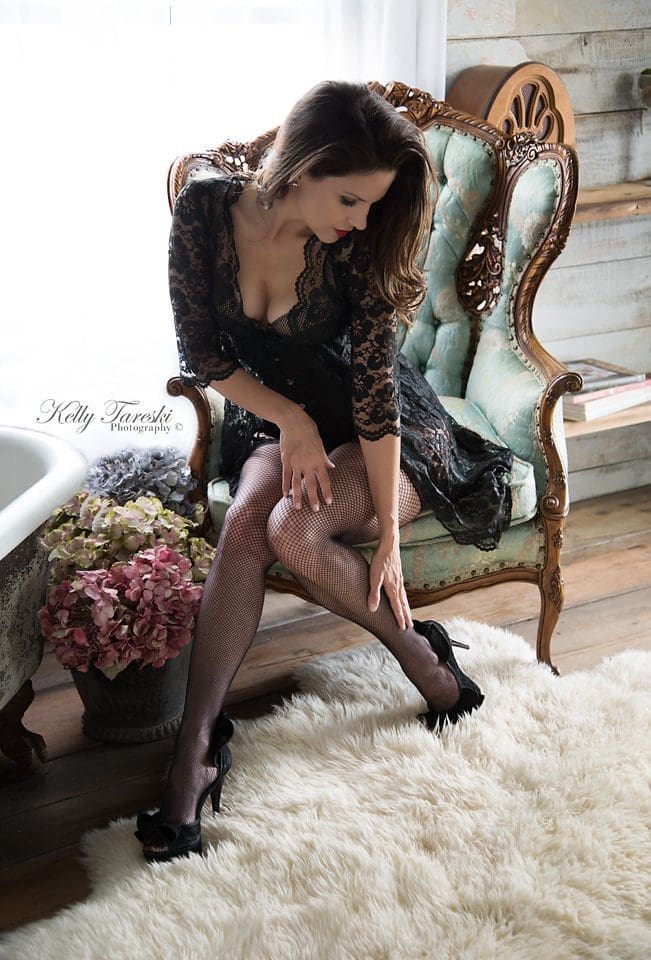
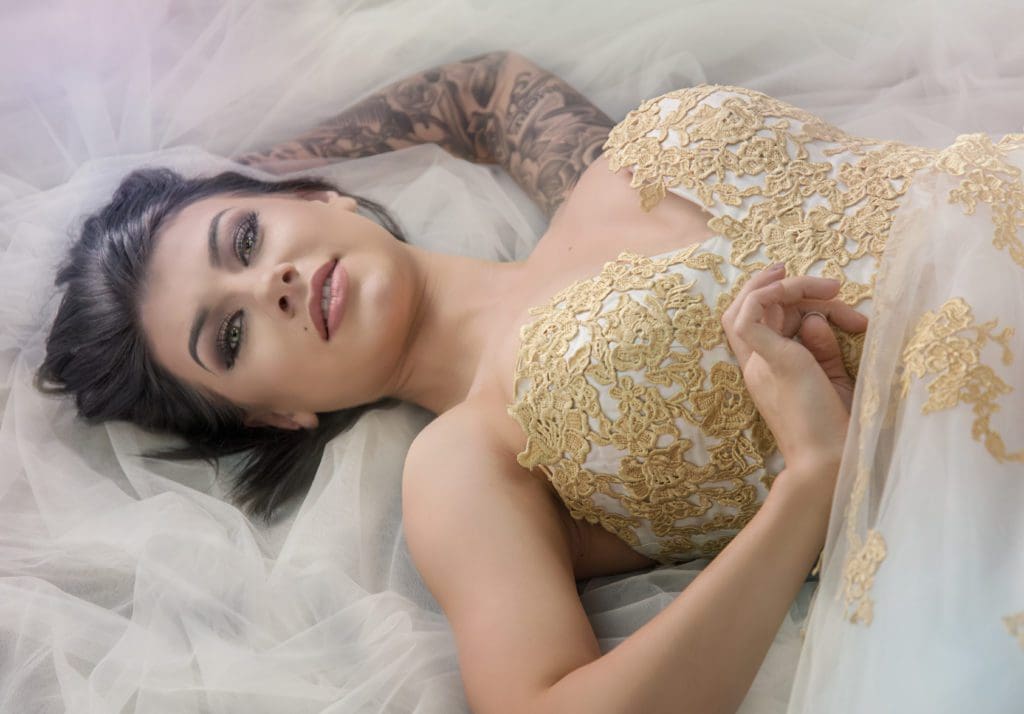
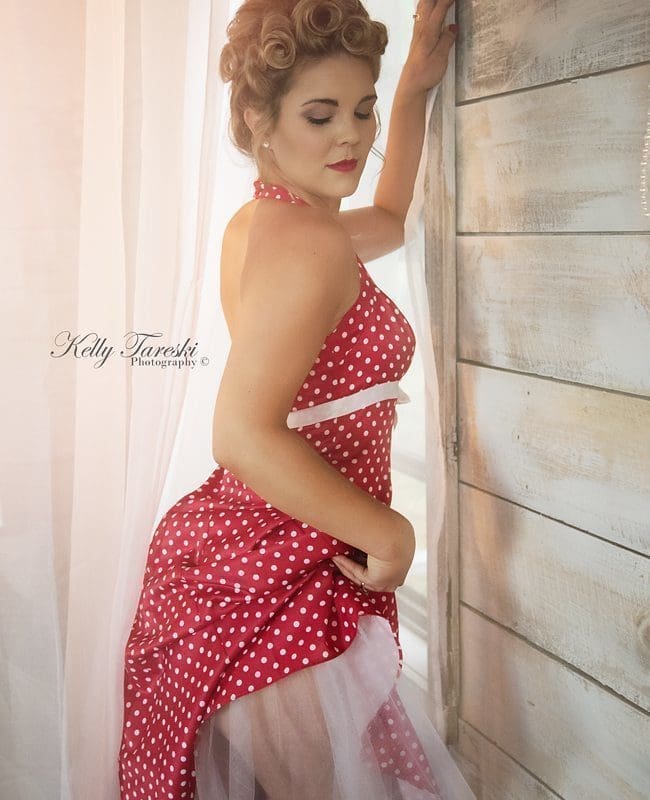
- Coordinate wardrobe: Use silhouette, fabric, lingerie, robes, dresses, hosiery, jewelry, shoes, or fully dressed looks that support the reference.
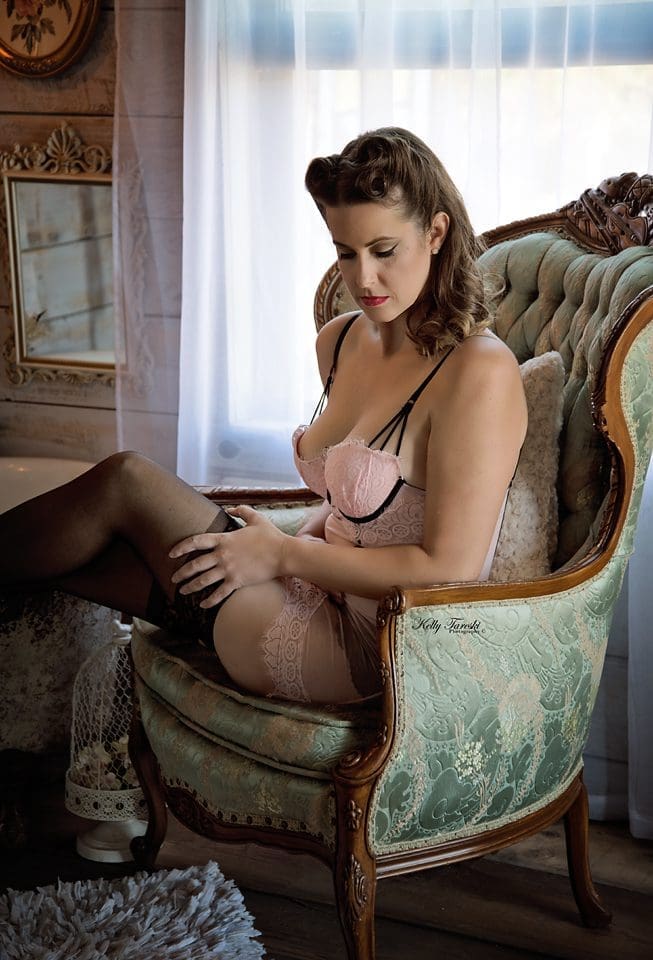
- Plan hair and makeup: Styling can be strongly period-inspired or only lightly influenced by the era.
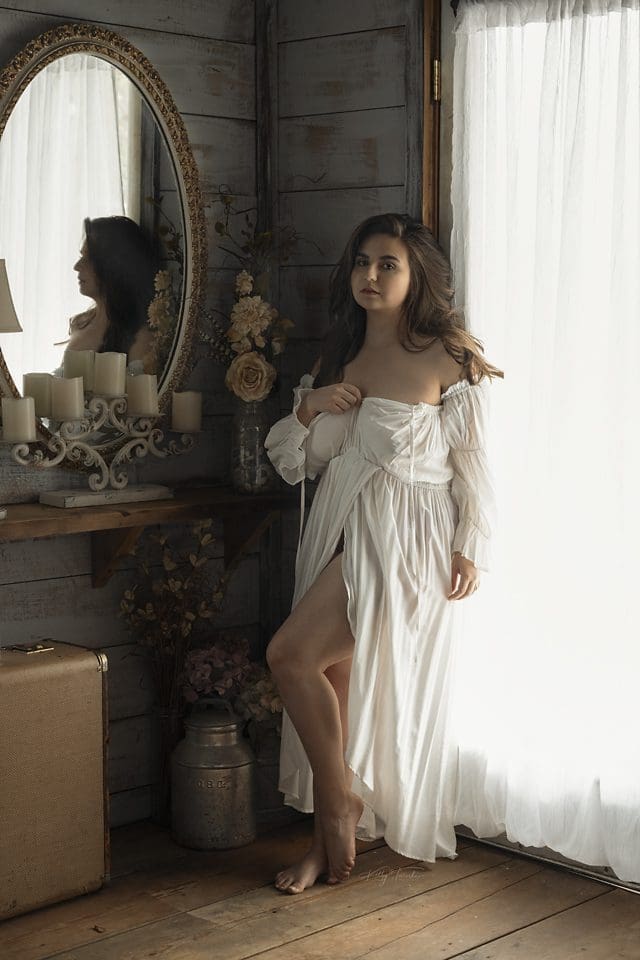
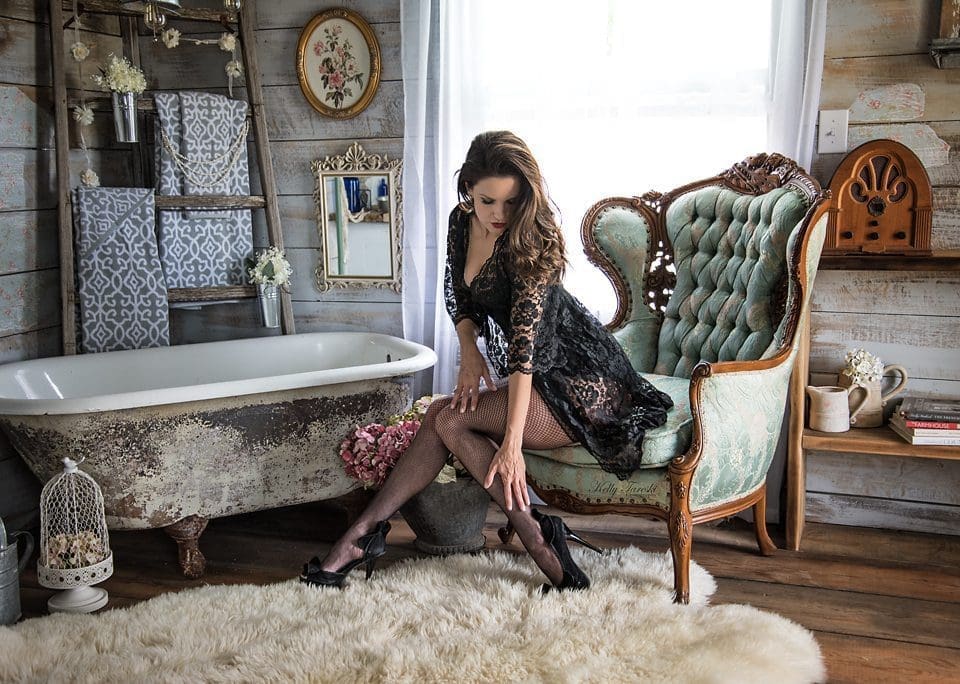
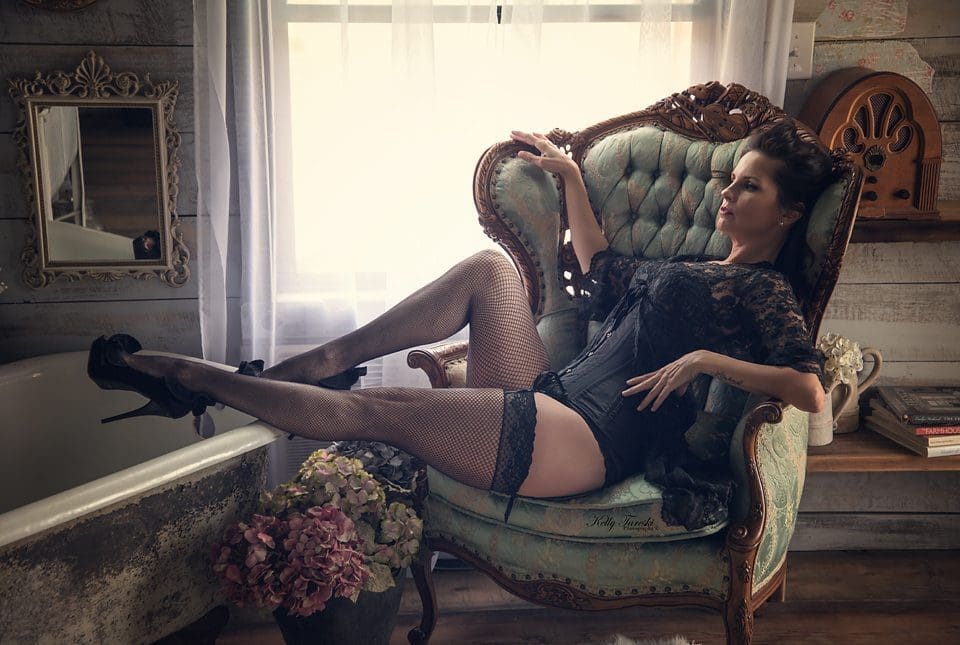
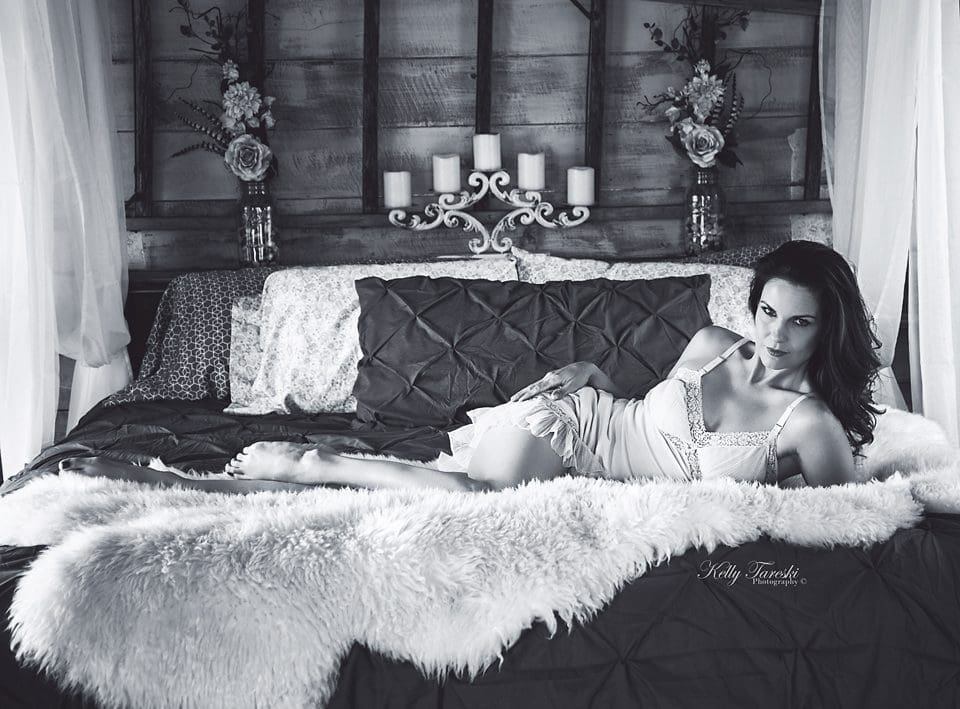
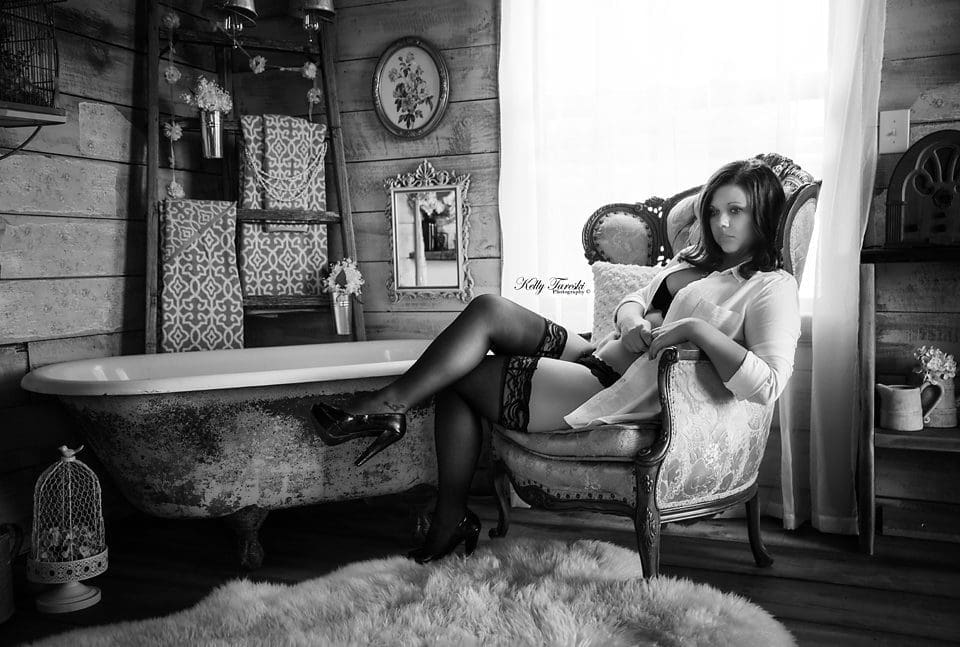
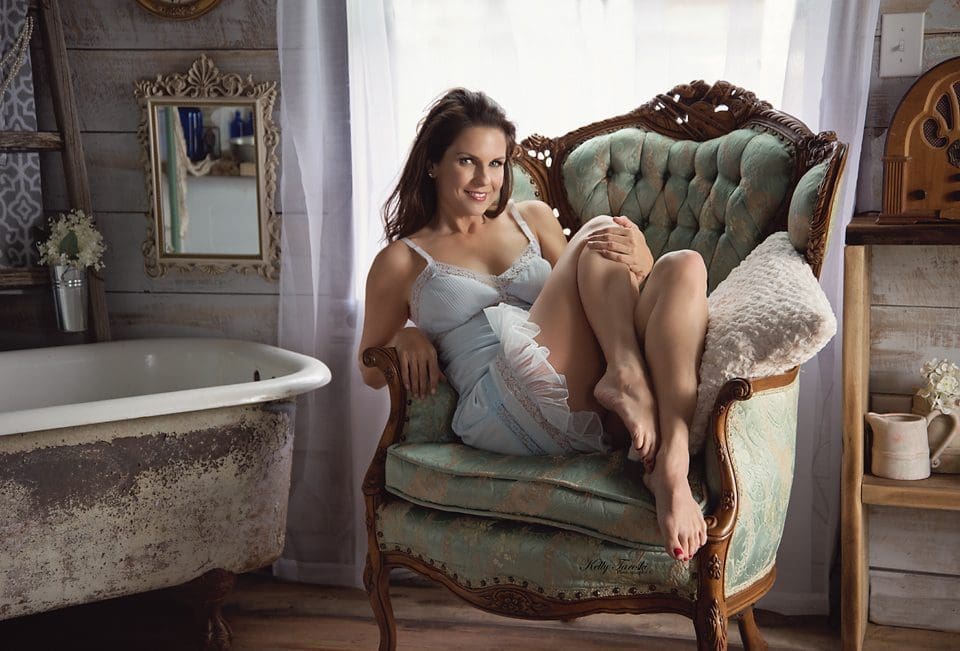
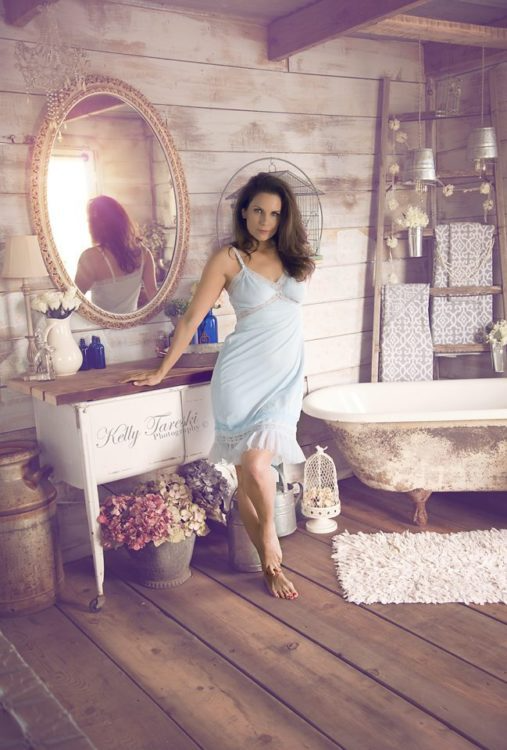
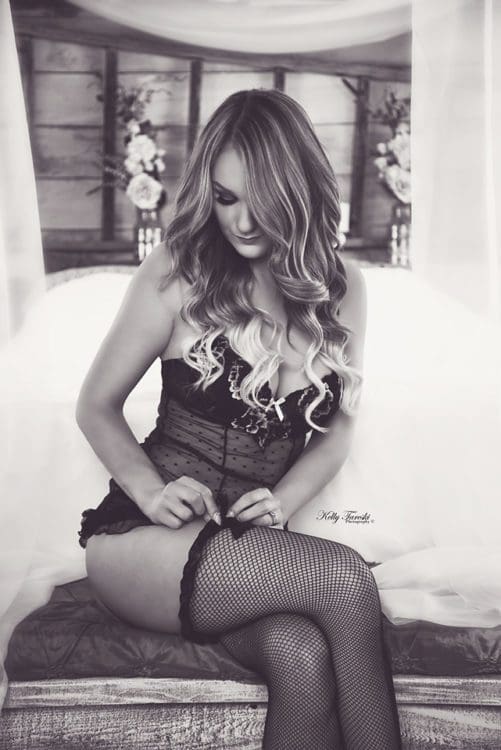
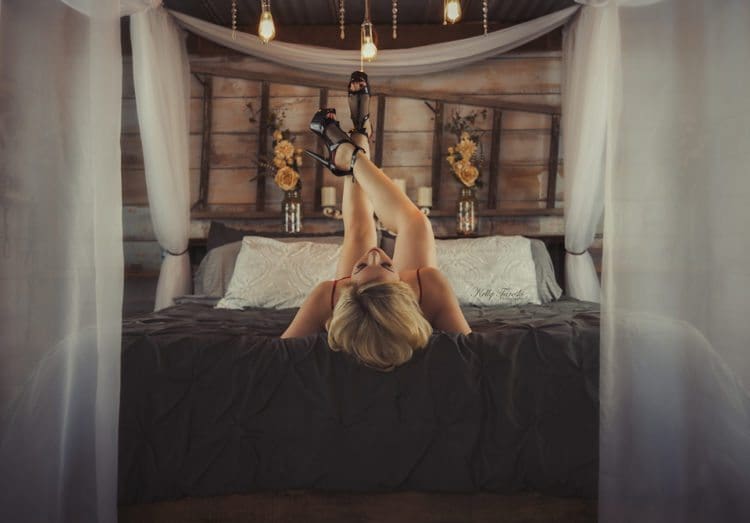
- Use the background deliberately: A vintage interior, simple studio background, antique furniture, textured wall, or period-appropriate detail can establish context.
- Match the lighting: Soft glamour light, harder theatrical light, window light, flash, or another approach can be chosen based on the reference rather than a single “vintage” rule.
Tips for Finding the Right Photographer for the Vintage Boudoir Photography Style
Capturing the timeless glamour of vintage boudoir photography requires a skilled photographer who understands the intricate details of the style. But with so many options out there, how does one find the perfect photographer? A good place to start is by studying their portfolio. Look for photographers who have experience in vintage boudoir photography, and examine their past work to get a sense of their style and technique. Another factor to consider is their personality and communication skills. You want a photographer who is easy to work with and makes you feel comfortable during your shoot. Trust and rapport are vital when it comes to capturing intimate and vulnerable moments. Ultimately, finding the right photographer for the vintage boudoir photography style comes down to a combination of skill, style, personality, and professionalism.
Do You Need Vintage Props?
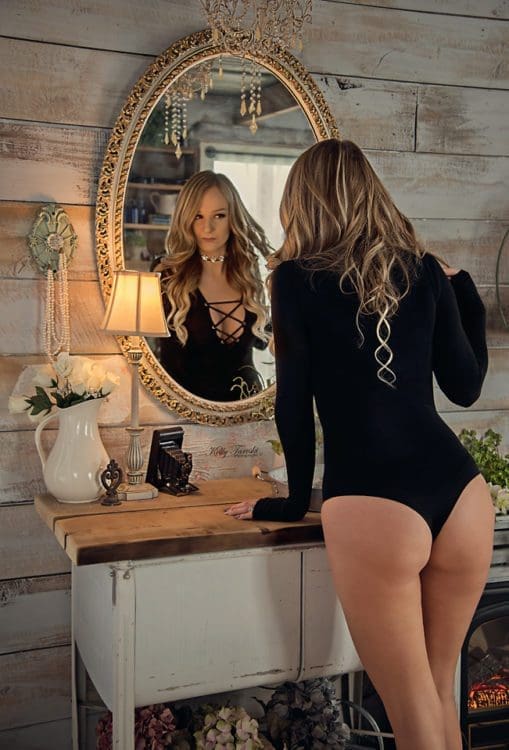
No. Props can make the period reference clearer, but they are optional. Furniture, mirrors, telephones, luggage, lamps, records, books, cameras, fabrics, or other period-inspired objects can add context when they fit the concept. A simple background with strong wardrobe, styling, lighting, and posing can create an equally clear vintage direction.
If genuine antiques are used, consider condition, safety, stability, and whether the item can be handled or sat on. Reproduction pieces can sometimes be more practical for a working portrait set.
What Poses and Backdrops Work for Vintage Boudoir?
Posing can reference fashion illustrations, old-Hollywood portraiture, pin-up, editorial photography, or another visual source. It can be direct to camera, theatrical, seated, standing, reclining, moving, or more understated. Direction should still be adapted to the client’s comfort, mobility, wardrobe, and boundaries.
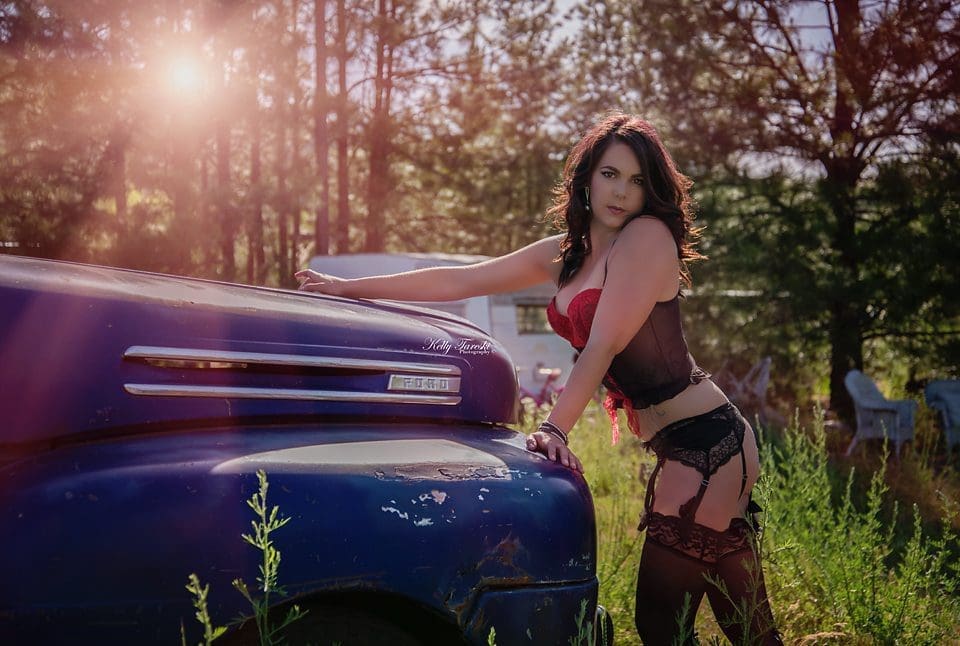
Backdrops might include vintage interiors, plain studio paper, textured walls, period furniture, curtains, beds, old vehicles used safely, or outdoor architecture that supports the selected era. The goal is visual consistency, not making every element look antique.
How Can Editing Create a Vintage-Inspired Finish?
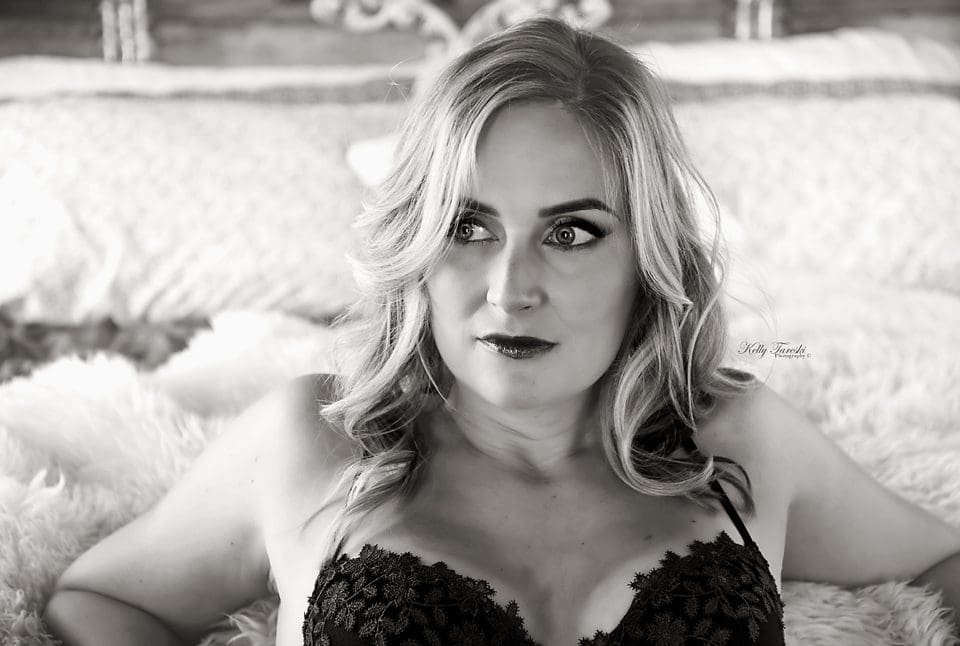
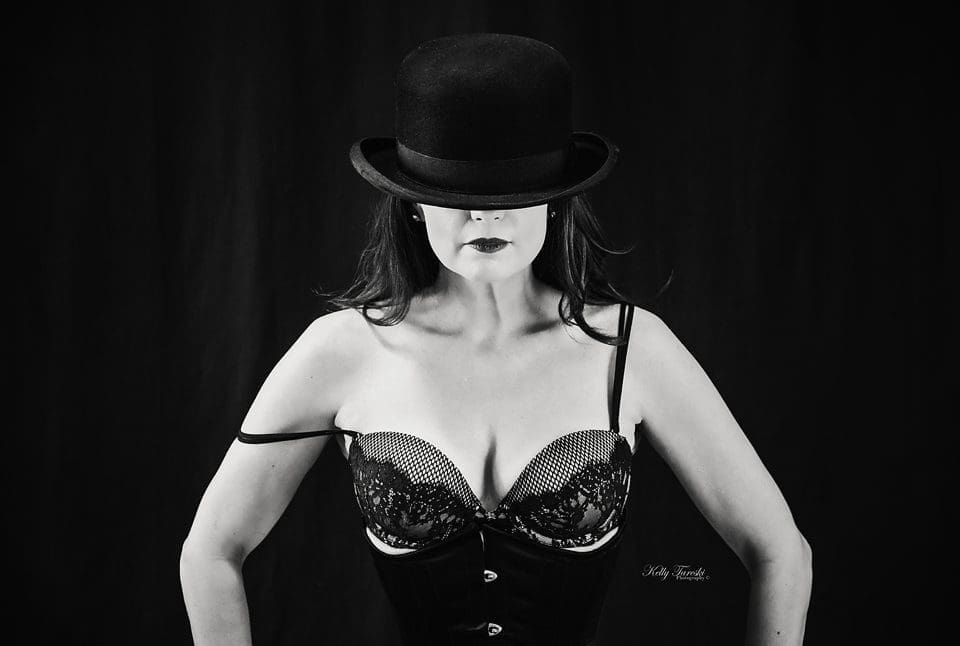
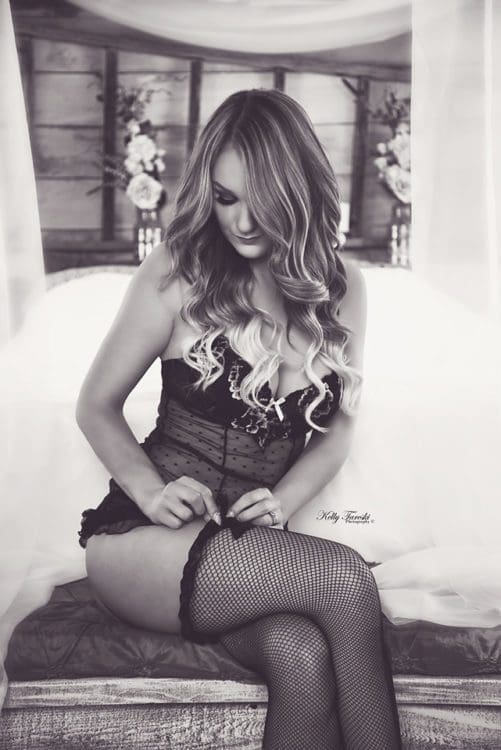
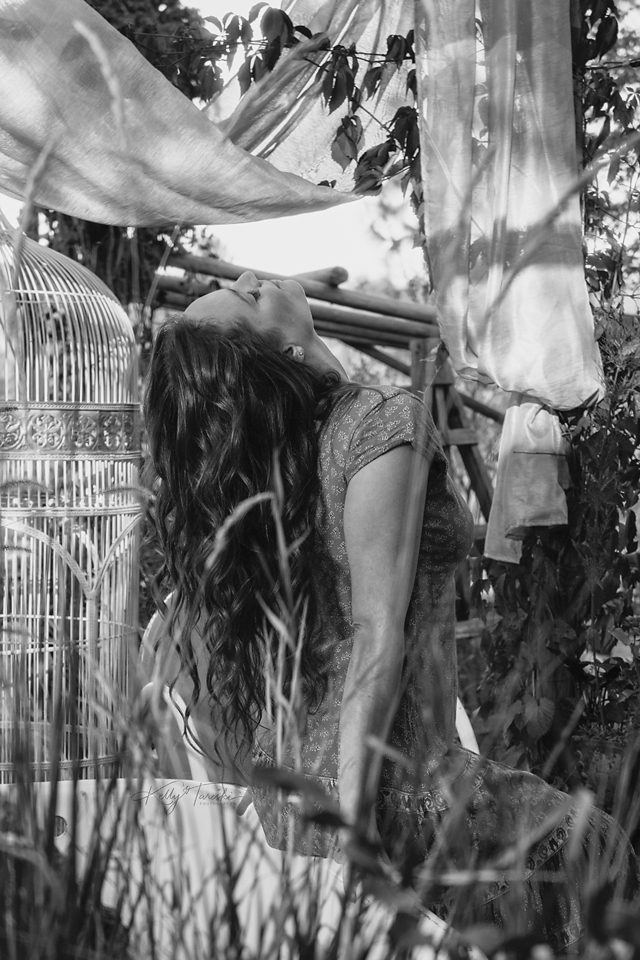
Editing can reinforce the reference through black-and-white conversion, reduced or shifted color, grain, contrast, tonal curves, softer color palettes, crop, or other film-inspired treatments. The right approach depends on the era and visual source. Not every vintage image needs faded color, heavy grain, or soft focus.
Ask to see examples of the photographer’s finished vintage work so you know how strong the effect will be and how skin texture, temporary details, color, and retouching are handled.
Where Can You Find Vintage Boudoir Inspiration?
Use visual references that clearly show what you mean by “vintage.” Look at period fashion, portraiture, cinema stills, advertising, hairstyles, makeup, interior design, and photography from the era you want to reference. Then identify the specific elements you like rather than asking the photographer to copy a finished image.
It also helps to compare pin-up boudoir, classic boudoir, and other boudoir photography styles, because those categories can overlap with vintage styling without meaning exactly the same thing.
Bottom Line
Vintage boudoir works best when the session references a specific era or visual tradition through several coordinated choices. Start with the reference, then align wardrobe, hair and makeup, props, background, posing, lighting, and editing around it. The result can be strongly retro or only lightly vintage-influenced.
For local session information, visit Vintage Boudoir Photography in Spokane Washington.
Boudoir Photography Most Searched Articles
- Kelly Tareski Photography Home
- Kelly Tareski Photography Boudoir Gallery
- Boudoir Portrait Photography Spokane
- 20 Styles of Boudoir Photography
- The Couples Boudoir Photography Style
- What are Sexy Pictures? - Boudoir Photography
- Behind the Scenes of a Boudoir Photography Session
- The Outdoor Boudoir Photography Style
- The Classic Boudoir Photography Style
- What is a Boudoir Portrait
- The Black and White Boudoir Photography Style
- Why Boudoir Photography is the Ultimate Self-Love Experience