
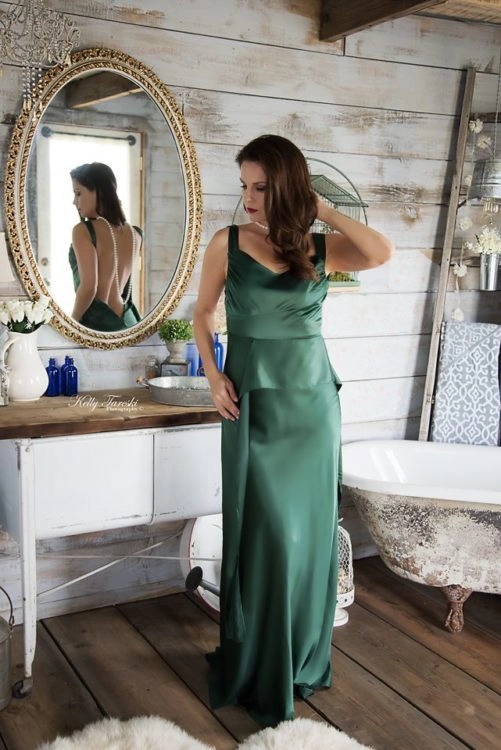
What to Wear for Boudoir Photos to Feel Confident
What you wear for boudoir photos can be as traditional or unconventional as you want. Lingerie is one option, but it is not a requirement, and there is no single outfit formula that works for every body or every session.
This guide focuses on fit, movement, coverage, texture, and personal style so you can plan wardrobe that works with your KTP boudoir session rather than dressing to correct or reshape your body. For a more specific polished direction, see elegant boudoir wardrobe ideas, or browse the boudoir photography article library.
Do You Have to Wear Lingerie for Boudoir Photos?
No. Boudoir wardrobe can include lingerie, bodysuits, robes, slips, shirts, sweaters, jackets, dresses, denim, simple underlayers, sheets, or other pieces that fit the look and level of coverage you want.
Choose Fit Instead of a Body-Shaping Formula
High-waisted pieces, lower-rise pieces, supportive bras, soft bralettes, corsets, bodysuits, and separates can all work when they fit comfortably. You do not need padding, a corset, or a smoothing garment to create a successful portrait, and a bodysuit is not universally more flattering than other styles.
Use Fabric for Mood and Movement
Lace, satin, silk, cotton, knits, mesh, velvet, and other materials create different textures. Choose based on the look you want and whether the piece stays comfortable when sitting, standing, reclining, or moving.
Wear the Colors You Want
Black is popular, but it is not the gold standard and does not work better for every person. White, neutrals, pastels, jewel tones, bright colors, patterns, and monochromatic looks can all be used intentionally. Skin-undertone rules are optional styling ideas, not requirements.
A Professional Fitting Is Optional
If you enjoy professional lingerie fitting or need help with sizing, it can be useful. It is not a prerequisite for Boudoir photography, and you do not need to buy new lingerie before your session.
What Can You Wear Beyond Lingerie?
Layers Can Change Coverage and Mood
Robes, kimonos, jackets, cardigans, oversized shirts, sweaters, sheets, and other layers can add movement or provide more coverage without requiring an entirely different outfit. A layer can be worn open, closed, draped, or removed depending on what feels appropriate during the session.
Fabric Weight Is a Creative Choice
Light fabrics often move easily, while heavier materials can create structure and texture. Neither is automatically better. The practical question is whether you can move comfortably and whether the piece behaves the way you want when sitting or changing poses.
Shoes and Accessories Are Optional
Heels, boots, sneakers, bare feet, stockings, jewelry, glasses, hats, or no accessories at all can work. Choose items because they fit the portrait concept, not because Boudoir is supposed to include a certain shoe or jewelry style.
Your Wardrobe Does Not Have to Match Everyday Clothing
Some clients want the session to look like an elevated version of their everyday style. Others specifically want to experiment with clothing they would not normally wear. Both approaches are valid as long as the wardrobe fits and the client wants to be photographed in it.
Are There Any Boudoir Wardrobe Choices to Avoid?
Avoid Pieces That Hurt or Do Not Stay Secure
The clearest reason to skip an outfit is that it pinches, slips, restricts breathing or movement, exposes more than you want, or needs constant repair. Comfort and secure coverage are practical concerns, not aesthetic rules.
Logos and Patterns Are Not Automatically a Problem
A large logo, graphic, or bold pattern can become a strong visual element, but that may be exactly what you want. If a piece is important to the concept, it can be photographed intentionally rather than banned. Simple clothing is an option, not a requirement.
Test Movement, Not “Flattering” Rules
Before the session, sit, stand, bend, and move in the outfit enough to learn whether it stays where you want it. If a piece is difficult to manage, bring an alternative. There is no need for a timed at-home posing test or a universal preference for lightweight fabric.
Final Thoughts
What to wear for boudoir photos comes down to the look you want, the coverage you prefer, and clothing you can move in comfortably. You do not need to dress to elongate, smooth, minimize, or emphasize your body unless that is a styling choice you personally want to explore.
Bring options when useful, but there is no required number of outfits, color palette, lingerie style, heel height, or fabric. KTP can help choose from what you bring based on the sets and portrait style being created.
To discuss wardrobe before your session, contact Kelly Tareski Photography or review the main Boudoir Photography page.
Related Boudoir Resources
Boudoir Photography Most Searched Articles
- Kelly Tareski Photography Home
- Kelly Tareski Photography Boudoir Gallery
- Boudoir Portrait Photography Spokane
- 20 Styles of Boudoir Photography
- The Couples Boudoir Photography Style
- What are Sexy Pictures? - Boudoir Photography
- Behind the Scenes of a Boudoir Photography Session
- The Outdoor Boudoir Photography Style
- The Classic Boudoir Photography Style
- What is a Boudoir Portrait
- The Black and White Boudoir Photography Style
- Why Boudoir Photography is the Ultimate Self-Love Experience