

Five Tips for Using Studio Lighting in Photography
Let's Roll!
Hi there! This is Kelly from Kelly Tareski Photography, and today I’d like to share some tips for using studio lighting in photography. While it may seem daunting at first, studio lighting can actually be very rewarding and fun. It’s all about learning how to manipulate the light to create the desired effect. Whether you’re a beginner or a seasoned pro, these tips will help you take your studio photography to the next level. So, let’s get started!
Understand the Types of Light
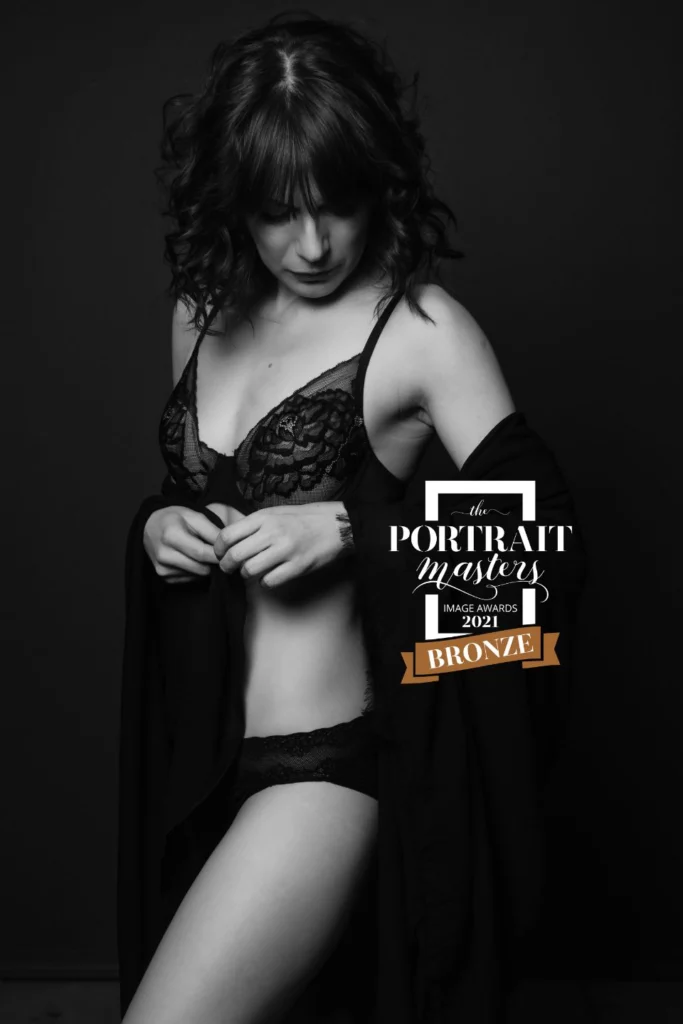
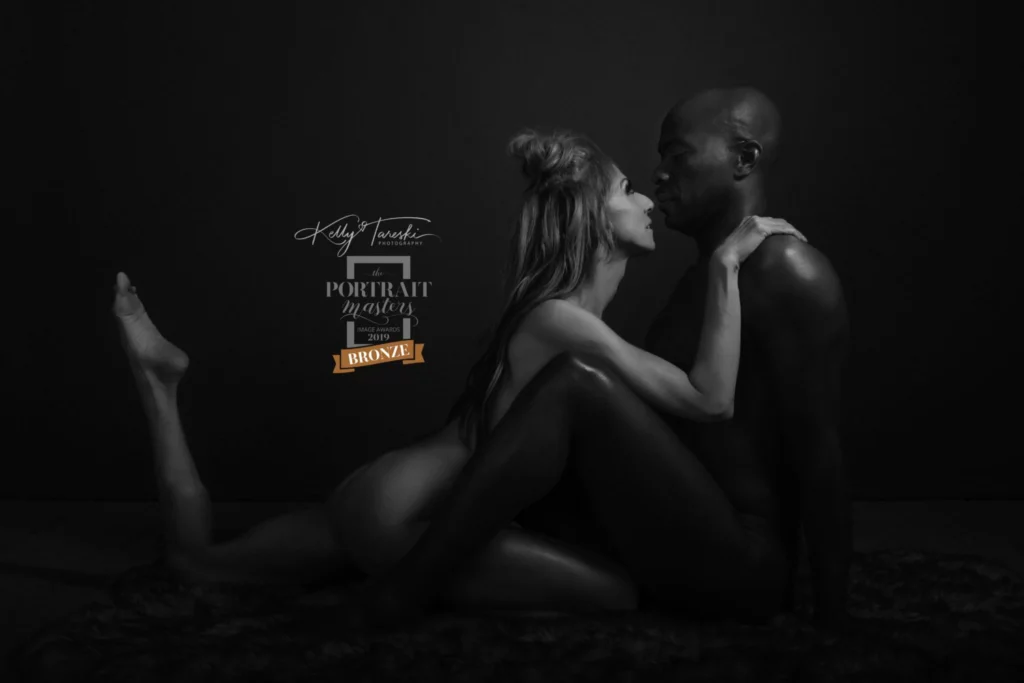
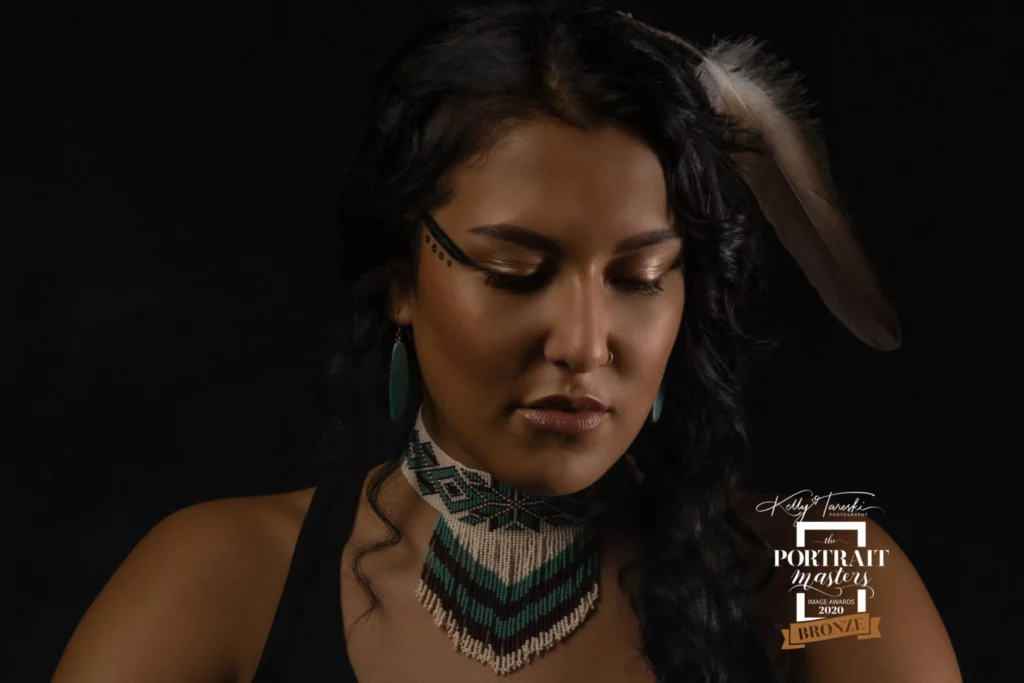
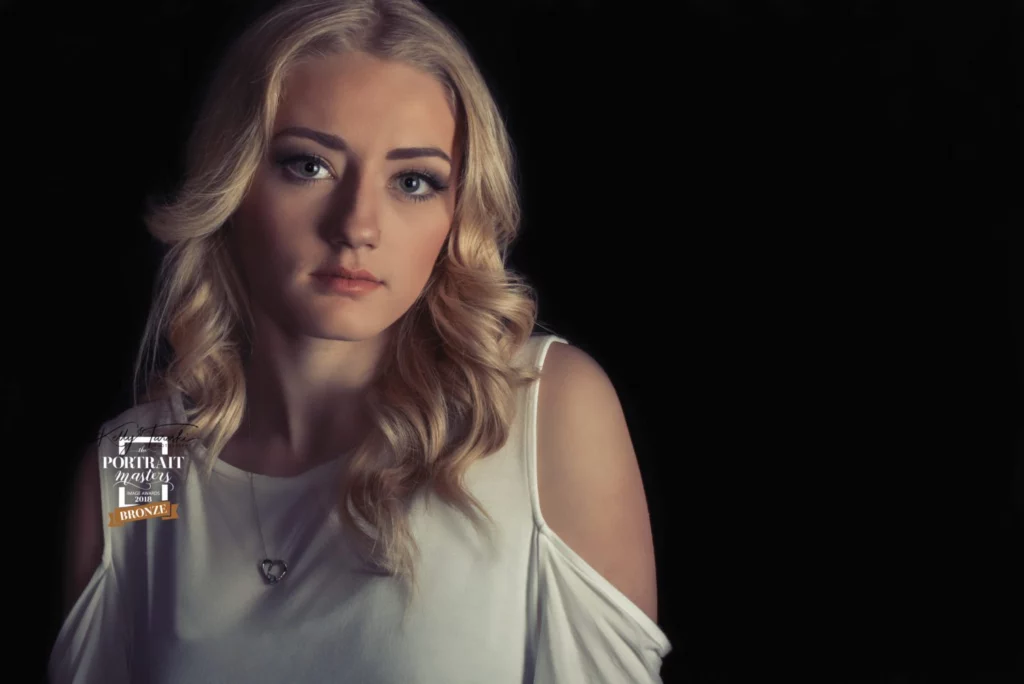
Hard and soft describe qualities of light rather than the only two types of studio light. A relatively small or distant source tends to create harder shadow transitions, while a larger source placed closer to the subject can create softer transitions. Neither is automatically better for portraits. Choose the size, distance, direction, and contrast of the light for the look you want.
Use Light Modifiers
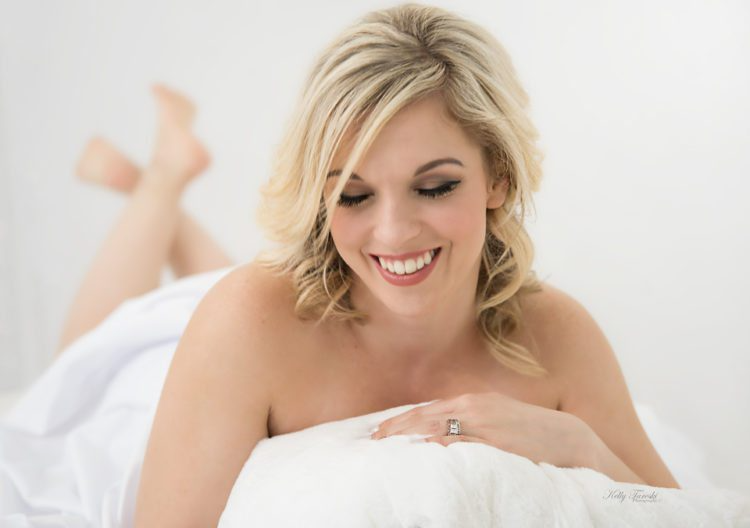
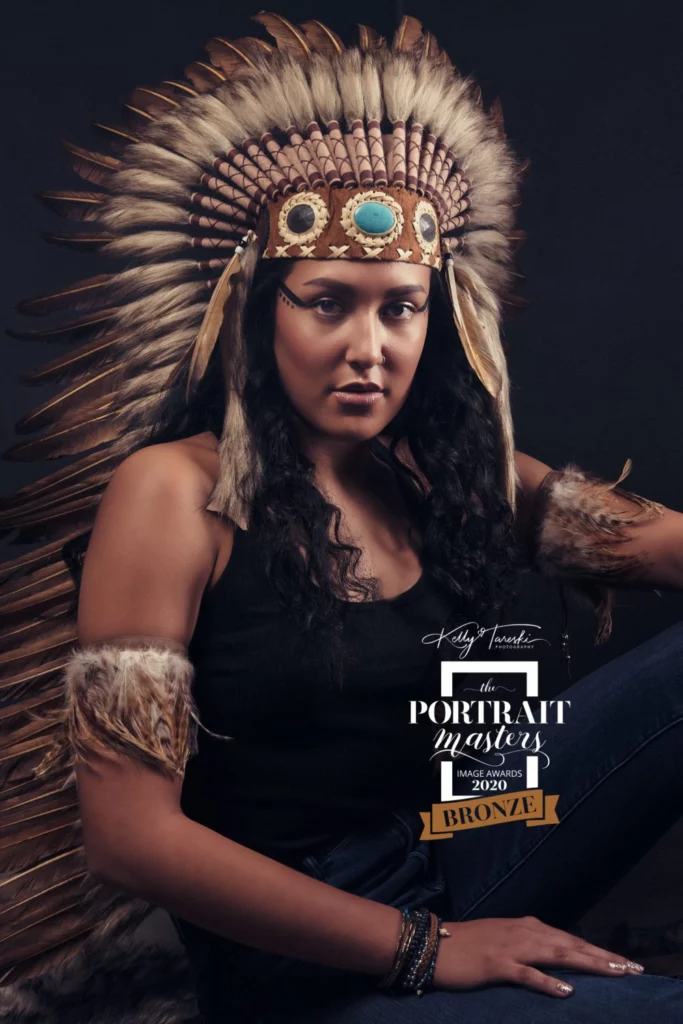
Light modifiers such as umbrellas, softboxes, grids, flags, and reflectors can change the apparent size, spread, direction, spill, and contrast of a light source. A softbox does not automatically make every face more flattering; its effect depends on its size, placement, distance, and the other light in the scene. Experiment while watching what happens to highlights, shadows, background, and catchlights.
Get Creative with Angles
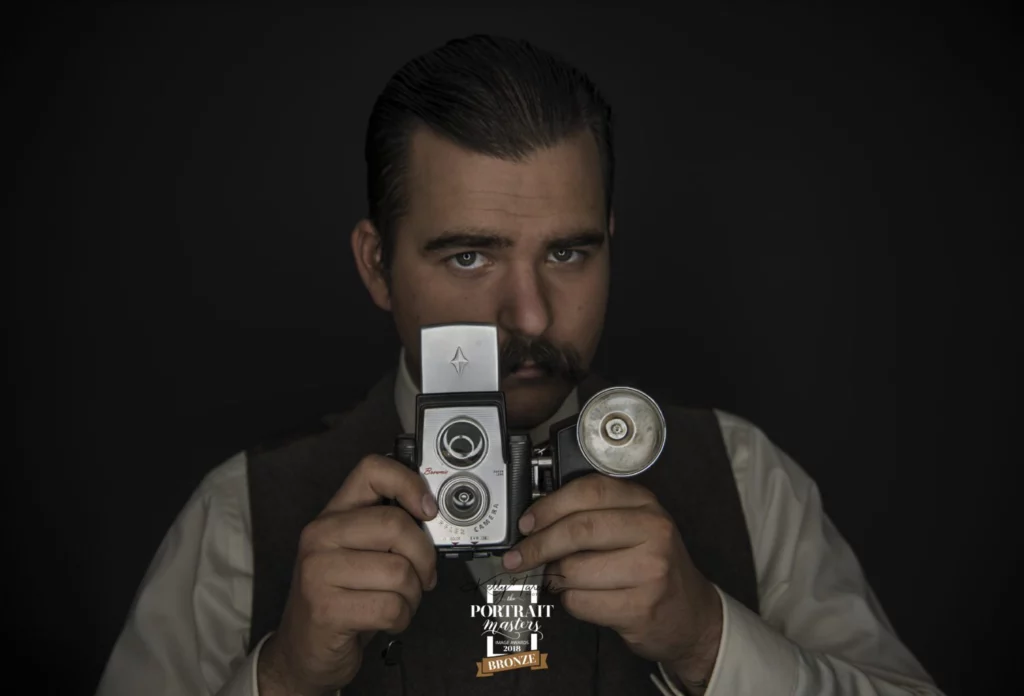
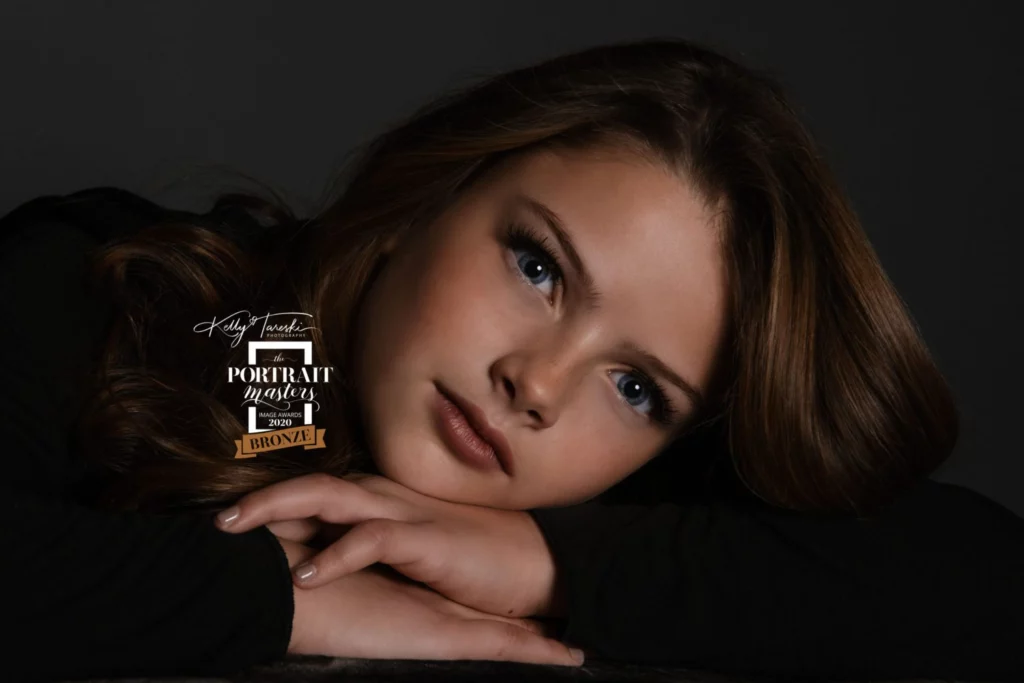
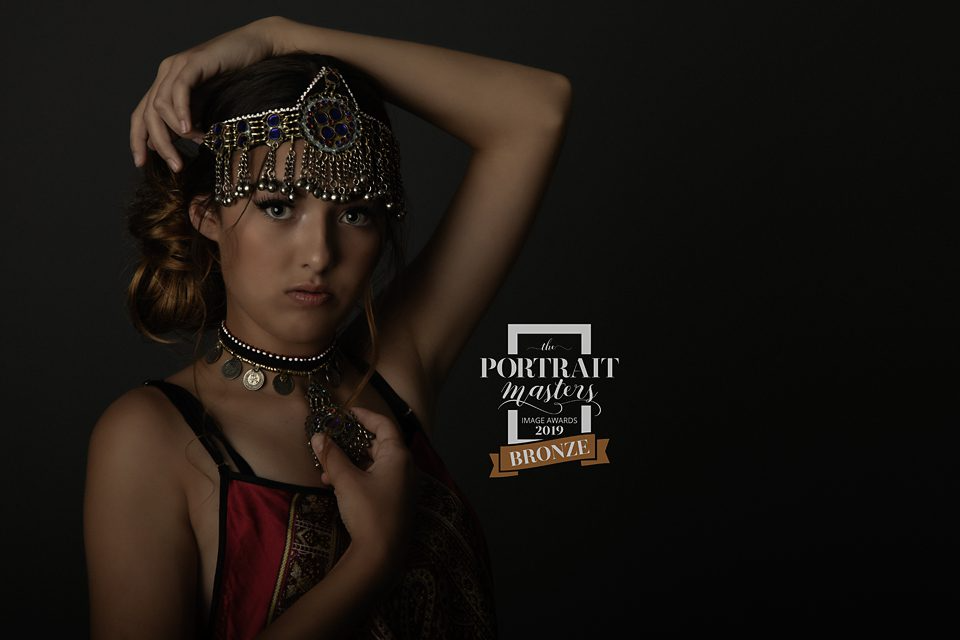
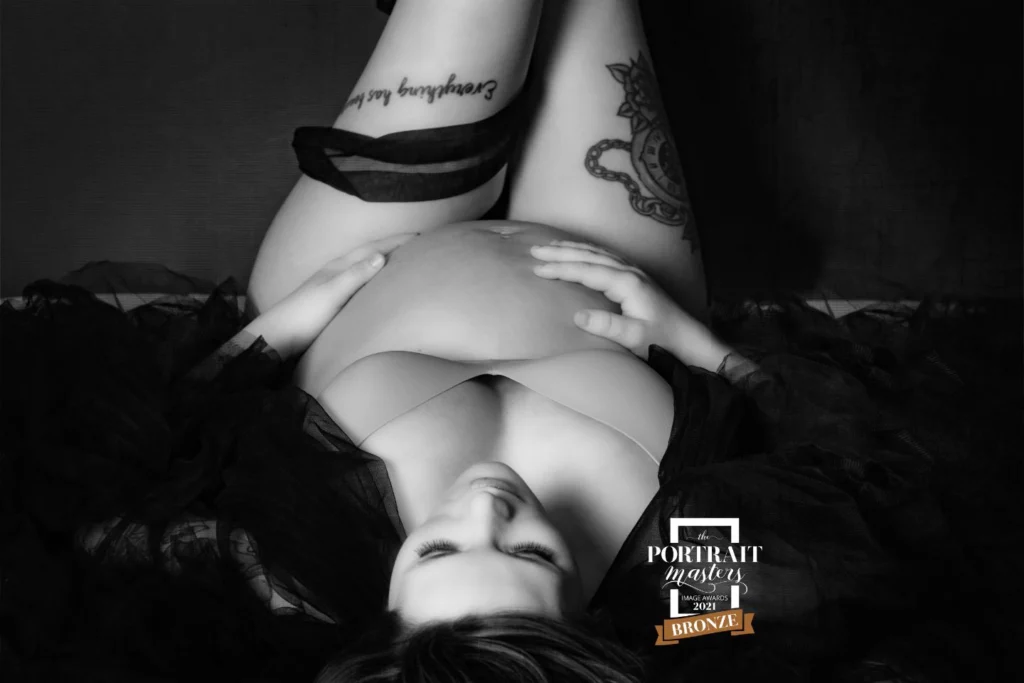
The direction of the light changes facial shape, shadow placement, texture, and the relationship between the subject and background. Front, side, overhead, back, and lower-angle lighting can all be used intentionally, but lighting from below is not inherently more flattering or natural. Move the light and observe the face and shadows rather than relying on a universal angle.
Use Colored Gels
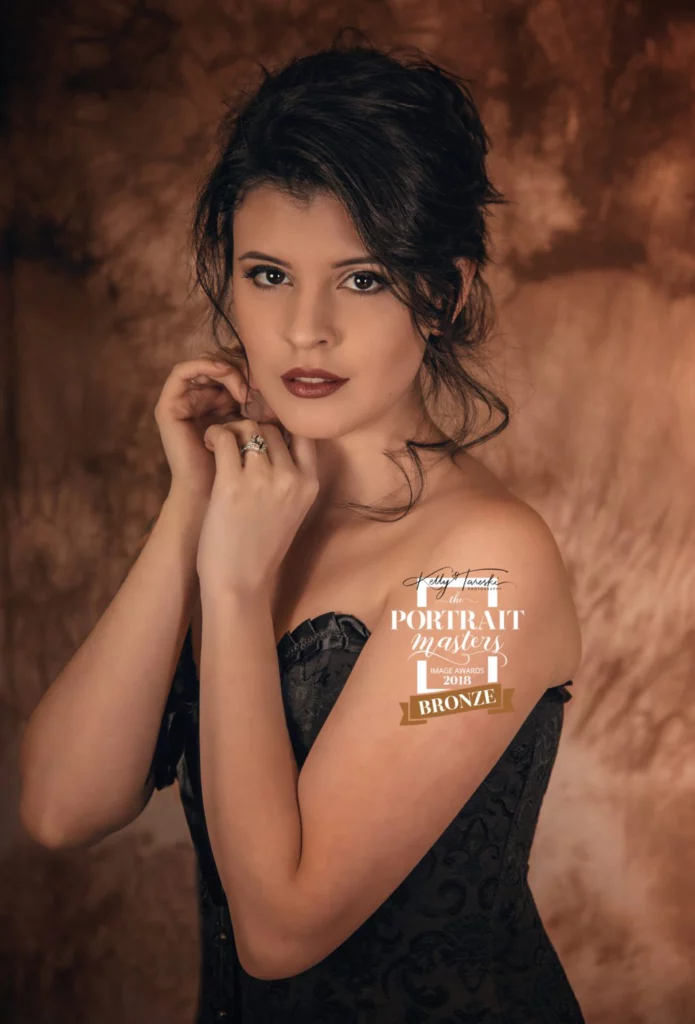
Colored gels can change the color of a light source for creative, corrective, or background effects. Color can influence the visual mood of an image, but a particular gel does not carry one fixed emotional meaning. Consider wardrobe, skin tone, background, white balance, light intensity, and the purpose of the portrait when choosing a gel.
Practice, Practice, Practice
The more you practice using studio lighting, the more comfortable and confident you will become. Don’t be afraid to experiment and try new things. The best way to learn is by doing, so take the time to practice and perfect your technique. Soon enough, you’ll be creating stunning studio photographs that you can be proud of.
That's a Wrap!
Let's wrap this up. Using studio lighting in photography can be a fun and rewarding experience. By understanding the types of light, using light modifiers, getting creative with angles, using colored gels, and practicing your technique, you can create stunning studio photographs that capture the true essence of your subject. So, don’t be afraid to explore the possibilities of studio lighting and take your photography to the next level. Happy shooting!


Education Most Searched Articles
- Kelly Tareski Photography Homepage
- How to Choose Background Colors to Complement Skin Tones
- Choosing the Best Lens for Stunning Senior Portraits
- 5 Tips Using the Nikon Z7ii Camera for Portrait Photography
- Exploring Spokane Through a Lens: Must-Visit Photo Locations
- How to Choose the Best Lenses for Senior Portraits
- When to Use a Neutral Background in Photography
- Top Posing Ideas for Solo Portraits: Looking Confident and Natural
- The Economy and Photography
- How the Economy Impacts Photography
- How to Weather Economic Slumps as a Photographer
- Finding Creative Ways to Promote Your Photography on a Budget
- Free and Low-Cost Resources for Photographers