

A Journey through 10 Diverse Photography Genres
Exploring Photography: Looking at 10 Diverse Photography Styles
Let's Roll!
Quick answer: A photography genre is a broad category based on subject matter, purpose, or working method. Portrait, wildlife, street, landscape, documentary, fashion, aerial, and astrophotography are examples. Some labels, such as black and white, describe a visual treatment that can be used across many genres rather than a subject category by itself.
I'm Kelly Tareski, a portrait photographer and the owner of Kelly Tareski Photography. This overview introduces ten areas of photography and the kinds of decisions photographers commonly make in each one. None of these genres requires one specific camera, lens, setting, or composition rule.
-
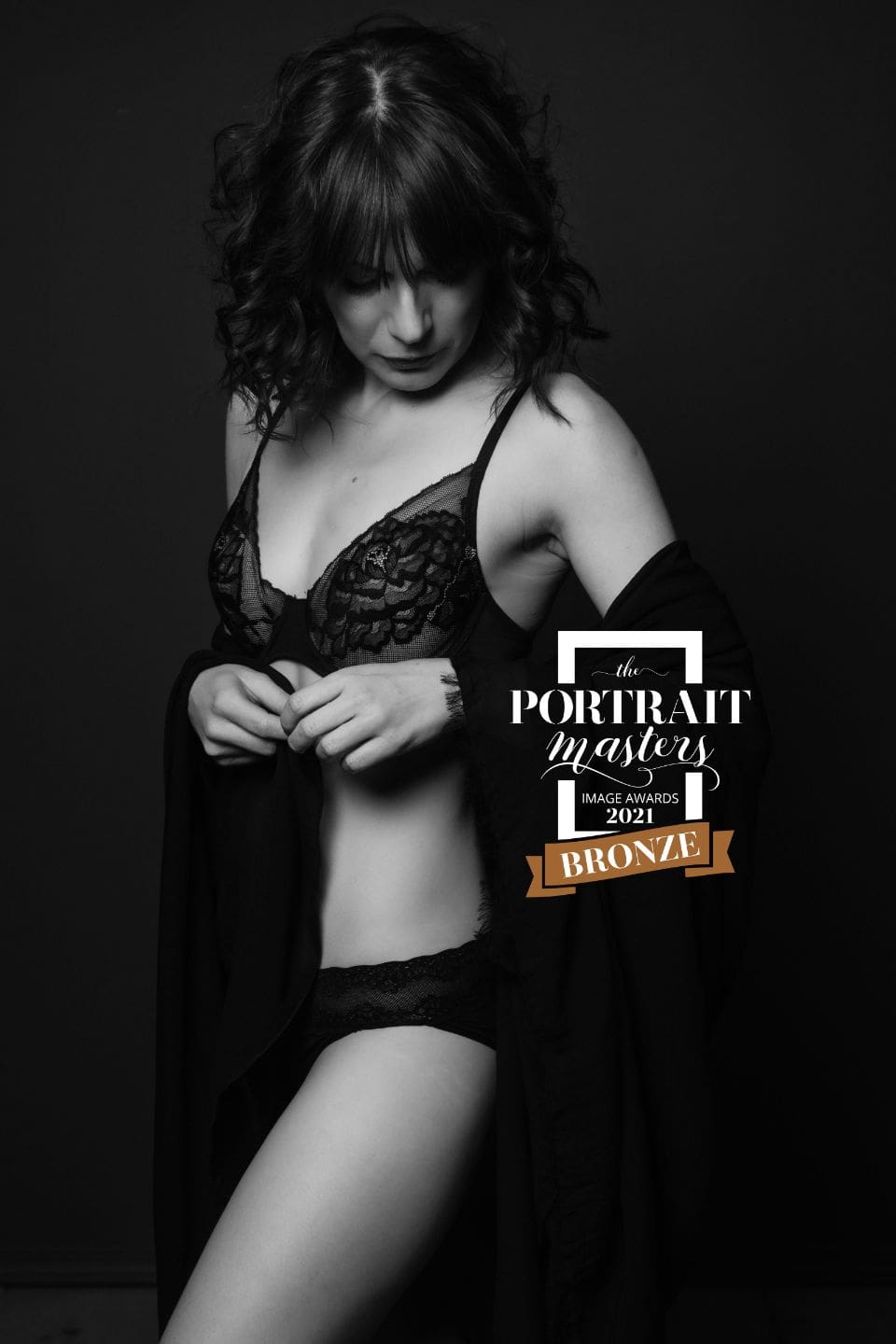
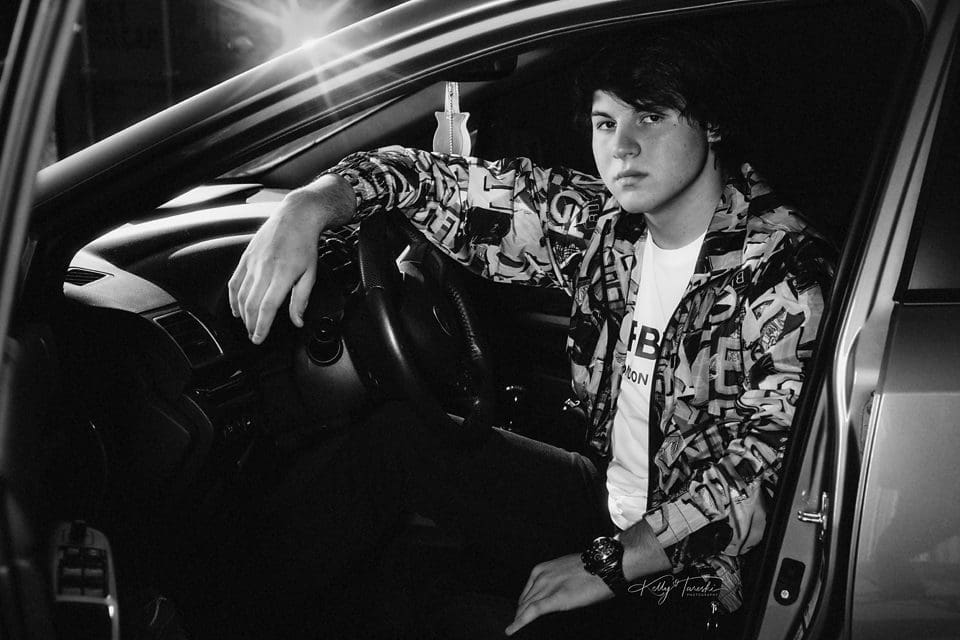
Portraiture:
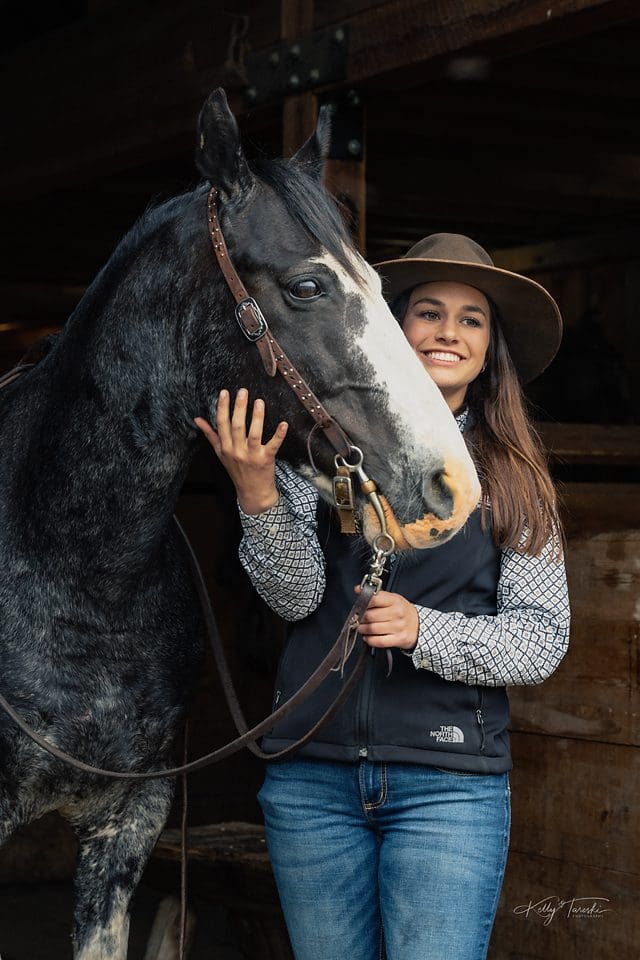
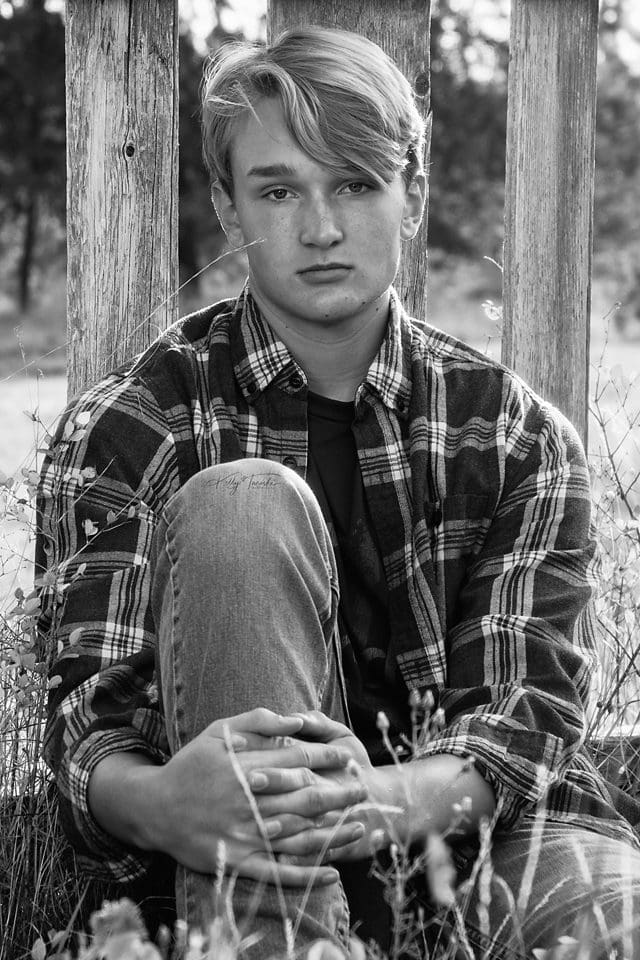
This genre focuses on capturing the essence and personality of an individual or group. Portrait photographers often pay close attention to lighting, composition, and camera settings to create images that reveal their subjects' emotions and character. Famous portrait photographers include Annie Leibovitz and Richard Avedon. Essential skills include building rapport with subjects and mastering studio or natural lighting.
-
Still Life:
Still-life photography involves arranging and capturing inanimate objects to create visually compelling images. These photographers often experiment with lighting, composition, and camera settings to emphasize texture, color, and form. Notable still-life photographers include Irving Penn and Edward Weston. Patience, attention to detail, and a keen eye for design are crucial skills in this genre.
-
Landscape:
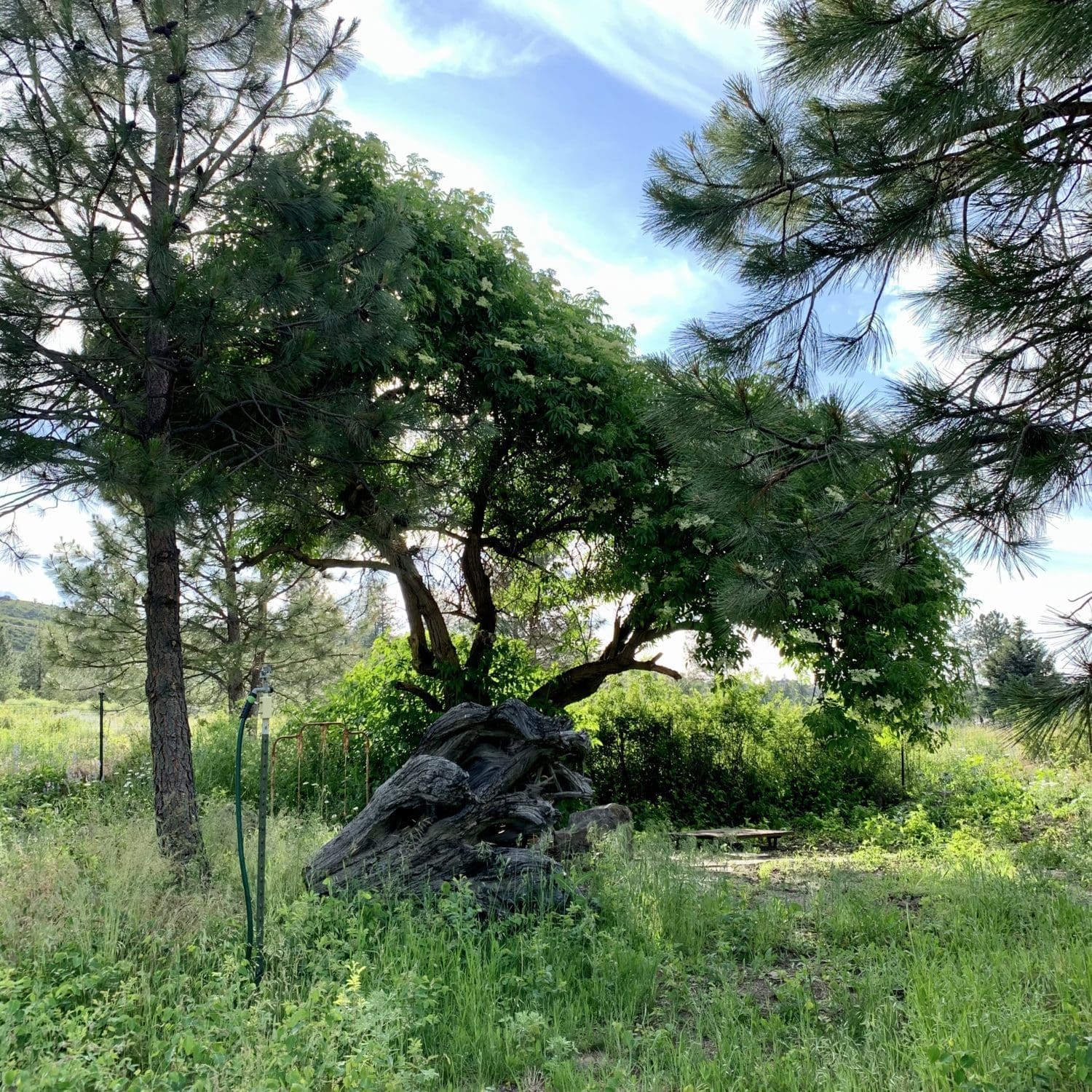
Landscape photography can include natural, rural, urban, and built environments. Photographers may use wide, normal, or telephoto lenses and anything from fast shutter speeds to long exposures depending on the scene. Useful skills include reading light, weather and depth, choosing a viewpoint, and building a composition that supports the subject rather than relying on one formula such as the rule of thirds.
-
Wildlife:
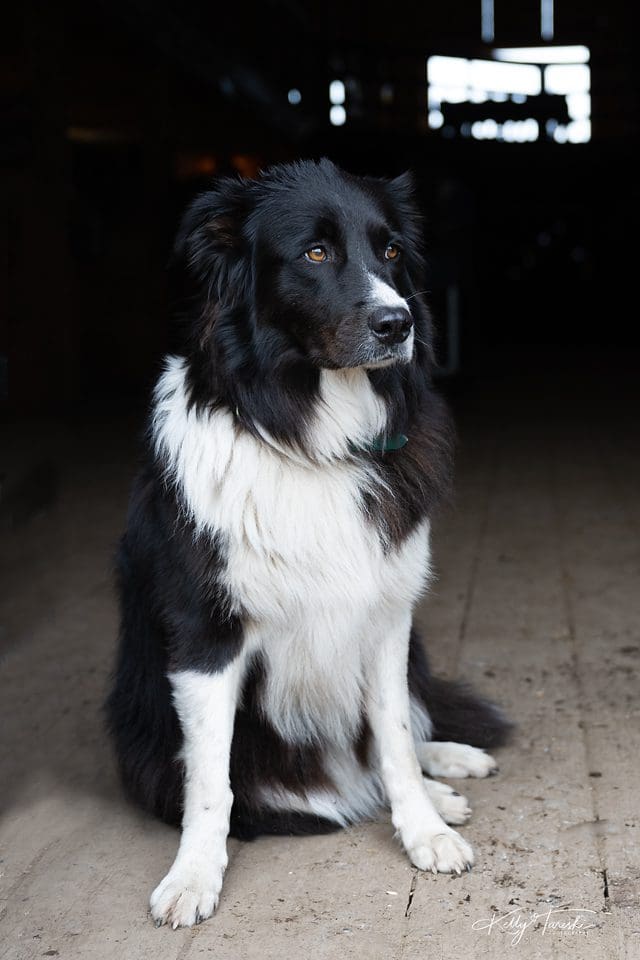
Wildlife photography benefits from understanding animal behavior, habitat, safety, and ethical distance. Fast shutter speeds can help freeze motion, but slower speeds may be used creatively, and ISO depends on the available light and desired exposure. Long lenses, fieldcraft, patience, and respect for the subject often matter as much as any single camera setting.
-
Documentary Photography:
This genre aims to tell stories and convey social or historical messages through images. Documentary photographers often immerse themselves in their subjects' lives to capture candid, authentic moments. Henri Cartier-Bresson and Dorothea Lange are well-known documentary photographers. Essential skills include storytelling, empathy, and the ability to remain unobtrusive while capturing powerful images.
-
Street Photography:
Street photography generally focuses on unscripted moments, public spaces, visual relationships, or everyday life. Photographers use many kinds of cameras and lenses, from phones to larger systems. Observation, timing, awareness of the environment, and understanding the legal and ethical context of photographing people in public are more important than using a particular size of camera or aperture.
-
Fashion:
Fashion photography showcases clothing and accessories in visually striking images, often featuring models and elaborate sets. These photographers work closely with designers, stylists, and makeup artists to create a cohesive vision. Famous fashion photographers include Mario Testino and Helmut Newton. Proficiency in studio lighting, creativity, and collaboration are crucial skills in this genre.
-
Black and White:
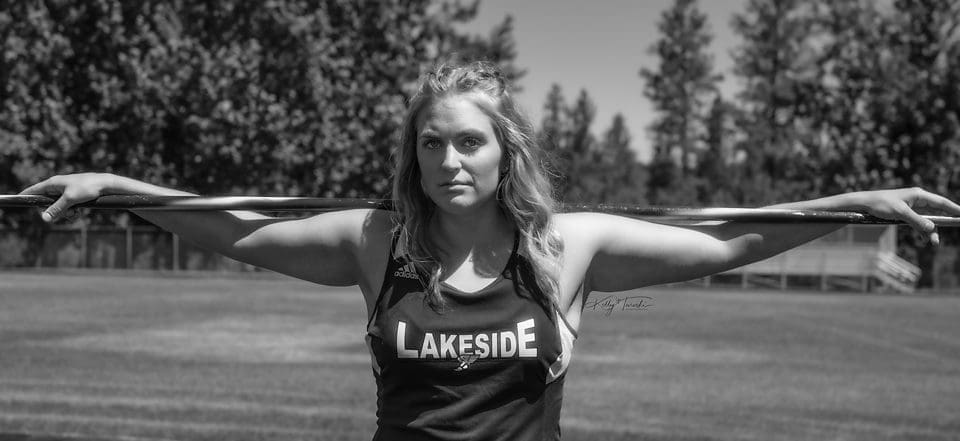
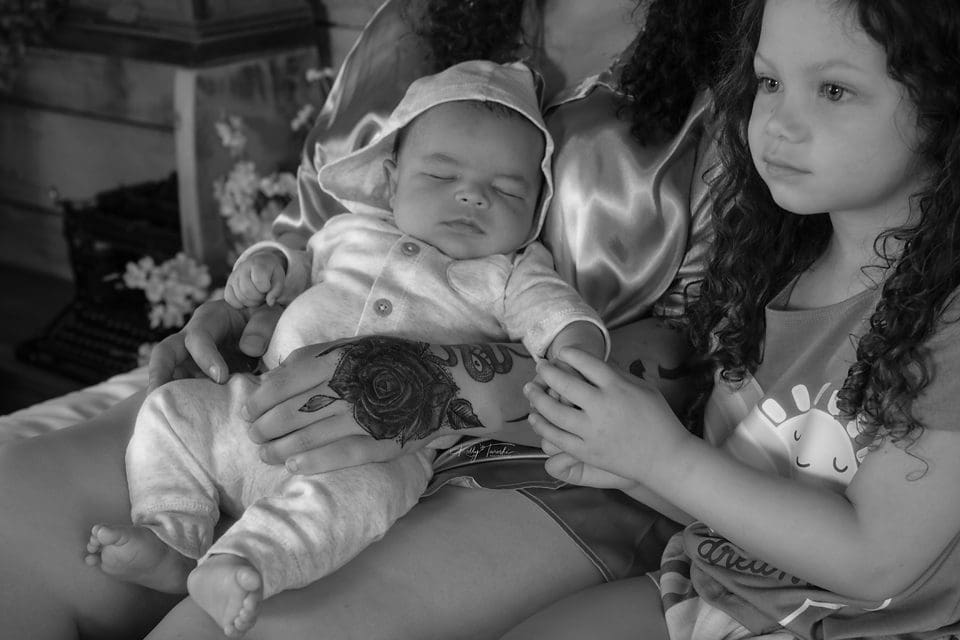
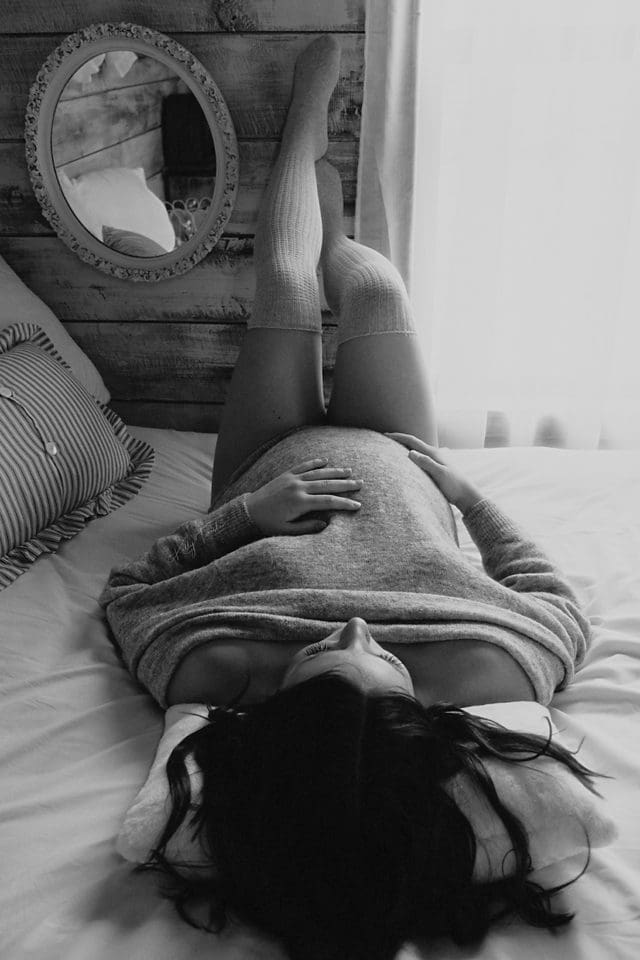
Black-and-white photography is better understood as a rendering choice that can be applied to portraits, documentary work, landscapes, street photography, still life, and other genres. Removing color changes how tonal separation, contrast, texture, shape, and light are perceived. Good monochrome work depends on how the scene translates into tones, not simply on converting a color file to grayscale.
-
Aerial:
Aerial photography uses an elevated viewpoint from aircraft, helicopters, drones, fixed installations, or other platforms. It can reveal patterns and relationships that are difficult to see from ground level. When drones are involved, photographers also need to follow the aviation, airspace, safety, privacy, and operating rules that apply to the location and type of work.
-
Astrophotography:
Astrophotography covers subjects ranging from wide-field night skies and the Milky Way to planets, the Moon, nebulae, and deep-sky objects. Equipment and technique vary widely: some photographs use a standard camera and tripod, while others use tracking mounts, telescopes, stacking, or specialized sensors. Planning, focus, exposure, dark skies, weather, and knowledge of the subject all influence the result.
That's a Wrap!
Photography is a diverse art form encompassing a wide range of genres, each with unique specialties, histories, and techniques. Whether a novice or experienced photographer, exploring different genres can help expand your skillset, challenge your creativity, and ultimately lead to a more fulfilling photography journey.
A Journey through 10 Diverse Photography Genres


Education Most Searched Articles
- Kelly Tareski Photography Homepage
- How to Choose Background Colors to Complement Skin Tones
- Choosing the Best Lens for Stunning Senior Portraits
- 5 Tips Using the Nikon Z7ii Camera for Portrait Photography
- Exploring Spokane Through a Lens: Must-Visit Photo Locations
- How to Choose the Best Lenses for Senior Portraits
- When to Use a Neutral Background in Photography
- Top Posing Ideas for Solo Portraits: Looking Confident and Natural
- The Economy and Photography
- How the Economy Impacts Photography
- How to Weather Economic Slumps as a Photographer
- Finding Creative Ways to Promote Your Photography on a Budget
- Free and Low-Cost Resources for Photographers