
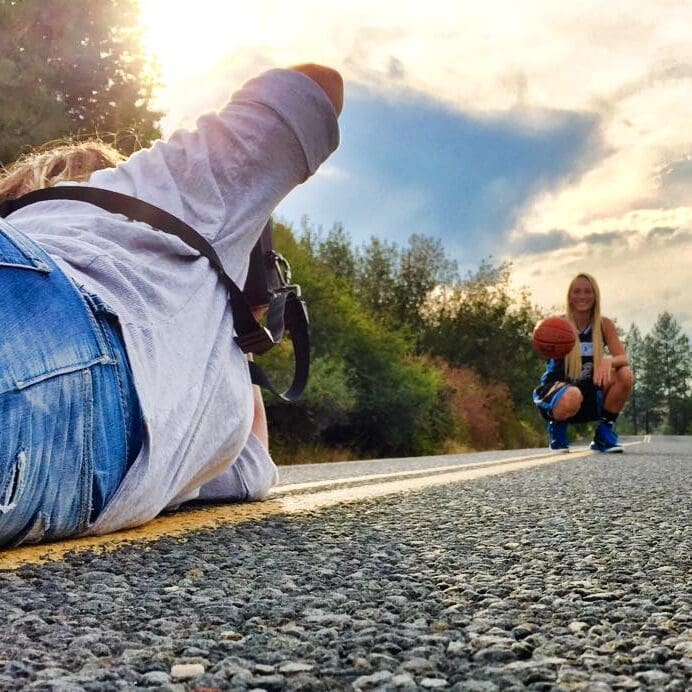
How to Stay Present and Enjoy Your Portrait Session
Portrait sessions can feel unfamiliar when you are thinking about posing, expression, wardrobe, and how the final photographs will look. Photography mindfulness can simply mean bringing your attention back to the experience instead of trying to control every detail.
At Kelly Tareski Photography, we guide clients through the technical and posing decisions so they do not have to perform for the camera. The goal is to create enough comfort and communication for the session to feel natural and personal.
For more practical preparation, see how relaxed, natural-looking portraits are created and pre-shoot planning tips.
How Can You Prepare Mentally for a Portrait Session?
You do not need a special mindset or a perfect level of confidence before a portrait session. It can help to remember that you are not expected to know how to pose, where to look, or what to do with your hands. Those are things your photographer can guide.
Leave Room for Imperfection
Instead of trying to create a perfect expression in every frame, focus on being present for the session as it unfolds. Your photographer can adjust light, pose, framing, and timing while you respond to simple direction. A strong portrait session can include polished poses, quiet expressions, movement, laughter, and moments in between.
Use a Simple Reset If It Helps You
If you feel tense before the session, use whatever simple reset already works for you. That might mean taking a few slow breaths, listening to music, having a drink of water, arriving with enough time to settle in, or simply telling your photographer that you feel nervous.
There is no required breathing method and no need to treat normal portrait-session nerves as a medical problem. The useful step is communicating what you need so the pace of the session can adjust when appropriate.
Treat the Session as an Experience, Not a Performance
You do not have to entertain the camera or produce a perfect expression on demand. Give yourself permission to settle into the session gradually. Limiting distractions, arriving prepared, and focusing on the conversation or activity in front of you can make the experience feel less like a test.
Practical preparation can also help by reducing last-minute decisions about wardrobe, timing, and what to bring.
How Can You Stay Comfortable During the Shoot?
Your photographer can guide posing, light, hand placement, and expression, but the session should still feel collaborative. You can follow direction while also speaking up if a pose hurts, an outfit needs adjusting, a location feels uncomfortable, or you need a moment to reset.
Use Your Photographer’s Guidance Without Giving Up Your Voice
You are not expected to see what the photographer sees through the camera, which is why small adjustments to posture, chin position, hands, or stance are part of the process. At the same time, good direction should be clear and respectful. If something does not feel right, say so. The strongest collaboration combines professional guidance with honest client feedback.
Take a Break When You Need One
If you need water, shade, a wardrobe adjustment, a chance to sit down, or simply a brief pause, tell your photographer. Not every client needs breaks in the same way, but there is no benefit to silently pushing through discomfort that can be addressed.
A short reset can also be useful between outfits or locations. The timing should fit the session rather than follow a fixed rule.
Conversation Can Help, but It Is Optional
Some clients relax when they chat between poses, while others prefer quieter direction. You do not need to force conversation or distract yourself to have a successful session. Communicate with your photographer about the pace and style of interaction that feels most comfortable to you.
The goal is not to manufacture a specific mood. It is to create enough ease for a range of expressions and portraits to develop naturally.
How Can You Create More Natural Moments?
Natural-looking portraits can come from many approaches: a guided pose, a quiet expression, movement, conversation, interaction with another person, or a moment between more structured photographs. You do not have to stop thinking about your appearance completely for the images to feel genuine.
Follow the photographer’s prompts, but allow your expression to change instead of trying to hold one camera-ready smile. Looking away, walking, adjusting clothing, or simply pausing can create useful variety alongside more traditional portraits.
Build Enough Rapport to Communicate Easily
You do not need to become friends with your photographer during the session, but clear communication helps. Ask questions when you have them, share preferences that matter to you, and let the photographer know what kinds of images or expressions you especially want.
Rapport can come through conversation, quiet confidence, humor, or simply feeling that your photographer is listening. There is no single social dynamic required for good portraits.
Let Your Expressions Change Naturally
You do not need to hold the same smile throughout the session. A softer expression, a laugh, a serious look, eye contact with the camera, or looking away can each create a different portrait.
Your photographer can guide expression when needed and also watch for useful moments between poses. The goal is variety, not proving that one type of expression is more authentic than another.
Bring Your Attention Back to What Is Happening Now
If you catch yourself worrying about how every photograph will look, redirect your attention to the next simple instruction, the location around you, or the person you are interacting with. Photography mindfulness does not require emptying your mind or staying perfectly focused.
Some people find it helpful to notice the light, sounds, temperature, clothing, or surroundings for a moment. Others simply prefer to focus on the photographer’s next prompt. Use whichever approach helps you stay engaged with the session rather than judging every frame before you have even seen it.
Final Thoughts
Photography mindfulness can be as simple as letting go of the idea that you must perform perfectly for the camera. Arrive prepared, listen to guidance, communicate what you need, take a pause when appropriate, and give the session time to develop.
You do not have to feel completely relaxed in every moment to create strong portraits. A professional session can work with different comfort levels and expressions while the photographer handles posing, light, composition, and timing.
At Kelly Tareski Photography, we use guided posing and personalized planning across senior portraits, family photography, branding, and other sessions. Contact us when you are ready to plan a portrait experience built around clear guidance, communication, and the way you want to be photographed.
Education Most Searched Articles
- Kelly Tareski Photography Homepage
- How to Choose Background Colors to Complement Skin Tones
- Choosing the Best Lens for Stunning Senior Portraits
- 5 Tips Using the Nikon Z7ii Camera for Portrait Photography
- Exploring Spokane Through a Lens: Must-Visit Photo Locations
- How to Choose the Best Lenses for Senior Portraits
- When to Use a Neutral Background in Photography
- Top Posing Ideas for Solo Portraits: Looking Confident and Natural
- The Economy and Photography
- How the Economy Impacts Photography
- How to Weather Economic Slumps as a Photographer
- Finding Creative Ways to Promote Your Photography on a Budget
- Free and Low-Cost Resources for Photographers