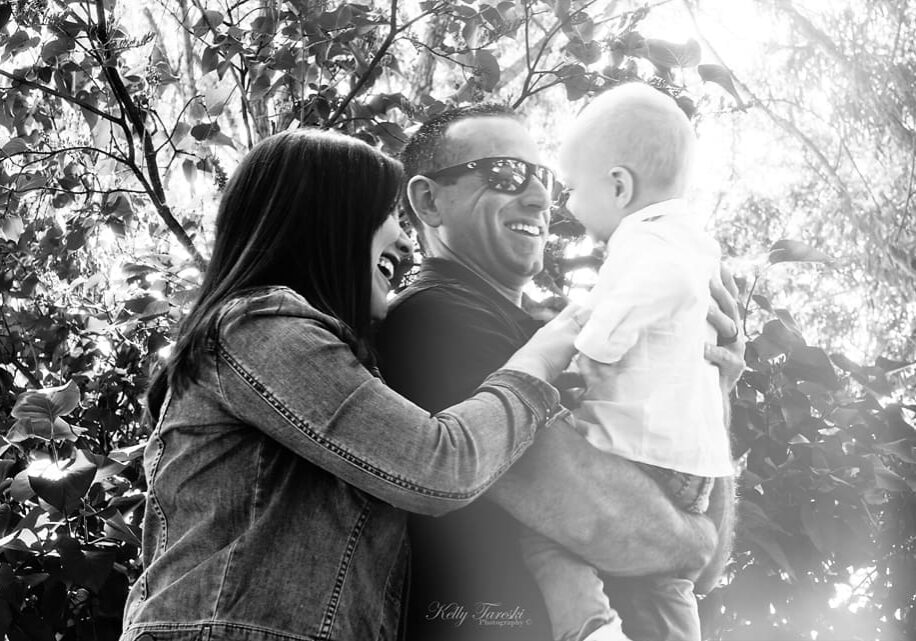
The Black and White Family Photography Style
Read the parent article: "10 Styles of Family Photography"
Where you can book "Black and White Family Photography in Spokane Washington"
What Is Black and White Family Photography?
Black and white family photography presents family portraits without color so that light, shadow, expression, shape, texture, and relationships carry more of the visual weight. It can be formal or candid, studio-based or outdoors, soft and low-contrast or more graphic and dramatic.
Black and white is a visual treatment, not a guarantee that a photograph will feel more emotional, artistic, or timeless. Some family photographs benefit from removing competing colors, while others depend on wardrobe, skin-tone relationships, seasonal color, or the environment and may work better in color.
Why Choose Black and White for Family Portraits?
- Emphasis on expression: Removing color can make faces, gestures, and interaction more visually prominent.
- Light and shape: Directional light, soft transitions, silhouettes, and contrast can become stronger compositional elements.
- Reduced color distraction: Busy or competing hues may become less dominant in monochrome.
- Flexible presentation: Black and white can support formal portraits, candid moments, documentary images, studio work, or outdoor family photography.
The strongest choice depends on the individual photograph. I may create or recommend both color and black-and-white versions when each treatment contributes something different.
What Makes a Black and White Family Photo Work?
Successful monochrome images still depend on the same fundamentals as color portraits: useful light, clear focus, intentional composition, appropriate timing, and a background that supports the people in the frame. Because color is removed, tonal separation becomes especially important. Clothing and backgrounds that look different in color can reproduce as similar shades of gray.
When planning a session, I consider the location, wardrobe, skin tones, group size, light direction, contrast, and the type of finished photograph we are trying to create rather than assuming every image should be converted to black and white.
Tips for Strong Black and White Family Photos
Plan the photograph for tone as well as color. Look for useful light, clear separation between people and the background, clothing that does not collapse into one gray value, and poses or interactions that keep faces visible. Editing can refine contrast and tonal balance, but it should support a well-captured image rather than compensate for poor focus, lighting, or composition.
-
Choosing the right lighting and location
Choose lighting and location based on the family, group size, background, and intended mood. Soft window light, open shade, controlled studio light, or more directional light can all work. In black and white, pay particular attention to how the people separate tonally from the background and whether highlights and shadows retain the detail you want.
-
Clothing choices for black-and-white photo coordination
For black-and-white portraits, think about tone, texture, pattern, and contrast rather than color alone. Two outfits that look very different in color can reproduce as nearly the same gray value. Coordinated clothing can help a group feel visually connected, but matching outfits are not required.
Family posing should fit the people being photographed. I may use a structured group pose when everyone needs to be clearly visible, then create variation with smaller groupings, movement, conversation, or natural interaction. Expression does not need to be identical in every frame, and candid moments can work alongside more formal portraits.
Creative ways to display your black and white family photos in your home:
Black and white photos have a certain timeless appeal that makes them a classic choice for home decor. If you have a collection of family photos in black and white, there are plenty of creative ways to display them in your home. One option is to create a photo wall with an eclectic mix of frames in different shapes and sizes. Another idea is to use a large frame with multiple openings to showcase a series of related photos. You could also consider creating a collage of black and white photos on a piece of furniture, like a chest or a coffee table. Whatever your style, there are plenty of ways to incorporate your vintage family photos into your home decor in a way that feels both timeless and personal.
-
Gallery wall with different sizes and frames
When it comes to wall décor, a gallery wall with various sizes and frames can be an excellent option. This type of arrangement allows for a mix of art pieces, family photos, and other mementos that reflect your personality. Using different sizes and frames also creates a visually appealing display that draws the eye in and evokes a sense of creativity. Additionally, a gallery wall can be a great way to showcase your favorite pieces, allowing them to stand out rather than being lost in a clutter of similar pieces. With a little creativity and planning, a gallery wall can become a stunning centerpiece in any room.
-
Canvas prints or framed prints
When it comes to displaying art or cherished photographs, canvas prints or framed prints are popular choices. While framed prints offer a classic and traditional feel to any space, canvas prints provide a modern and contemporary touch. With a canvas print, the artwork or photo is printed onto a canvas material and wrapped around a wooden frame, producing a three-dimensional effect. On the other hand, a framed print involves the artwork or photo being printed and mounted within a frame. Both options have their own unique benefits, and ultimately, it boils down to personal preferences and the overall style of the space where it will be displayed.
Students living in dorms may prefer canvas prints as it is lightweight and easier to hang, while homeowners may opt for framed prints for a more formal and elegant look. In the end, it's all about finding the perfect match for your individual style.
Inspirational examples of black-and-white family photos from professional photographers
There's something undeniably powerful about black and white family photos, capturing precious moments frozen in time. Professional photographers have been adept in this area, offering an array of inspirational examples of these classic images. Whether it's a new family starting out or a well-established one celebrating a milestone, black and white photos have the unique ability to convey emotion and depth. From the loving embrace of a parent and child to the tender touch of spouses, these photographs use the monochrome palette to emphasize the beauty of family connection. Moreover, the contrast and shadow work employed in these images create an added dimension, elevating each picture into an art form.
How to capture candid moments in black and white - letting go of perfection
Capturing candid moments in black and white is a beautiful way to preserve memories that are often forgotten. Many photographers believe that black and white film has a timeless quality that adds depth and emotion to their photos. To achieve these candid moments, it's essential to let go of the idea of perfection. Instead, focus on the feeling, the story, and the composition of the shot. Candid shots should capture real emotions and authentic reactions. Try to create a comfortable environment for your subjects and let the moments unfold naturally. With a little patience and practice, you'll find that candid moments are happening all around you, and capturing them in black and white can create stunningly beautiful and authentic images.
When Does Black and White Work Best for Family Portraits?
Black and white works especially well when the photograph depends on expression, shape, light, texture, or interaction more than color. It can also help simplify a frame with competing hues. It is not automatically the best treatment for every family portrait, so I evaluate both the visual design and the reason the family wants the image before deciding whether monochrome strengthens the photograph.
Bottom Line