
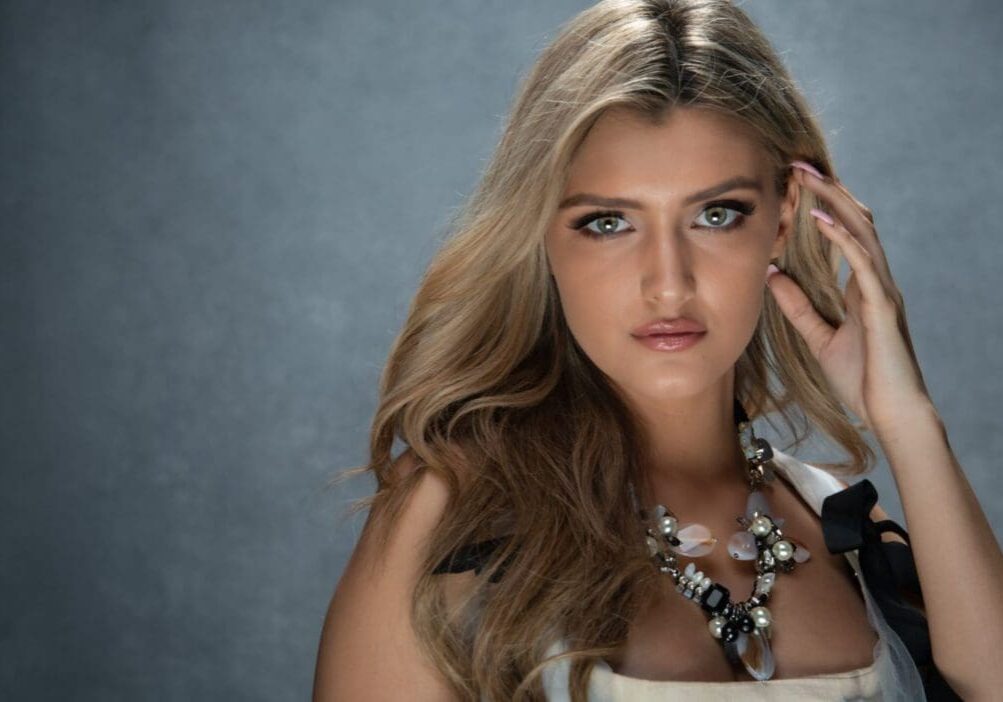
How to Pose Like a Pro: Tips for Flattering Portraits
What Makes a Portrait Pose Flattering?
A flattering portrait pose is one that supports the look you want, works with the camera angle and lighting, and feels physically comfortable enough to hold naturally. There is no single pose that flatters every person because height, mobility, wardrobe, camera position, lens choice, and the purpose of the portrait all change how a pose photographs.
When I pose someone, I am not trying to hide or "fix" their body. I am looking at posture, balance, hands, shoulders, head position, expression, clothing, and the shapes created inside the frame. Small adjustments can make the portrait feel more intentional without asking the person to become someone else for the camera.
1. Start With the Feet and Weight Distribution
A pose usually looks more settled when the person has a clear place to put their weight. Instead of standing evenly on both feet by default, I may shift more weight to one leg, adjust the stance, or change the direction of the feet depending on the composition.
That does not mean every portrait needs an angled fashion pose. A square stance can look strong and appropriate for a headshot, athlete, musician, or editorial portrait. The important thing is making the stance deliberate rather than accidental.
2. Build the Pose From the Ground Up
Once the feet are placed, I look at knees, hips, torso, shoulders, arms, hands, and head position. Changing one area affects the rest of the pose, so it is often easier to build the position in sequence instead of giving five directions at once.
For seated portraits, the same idea applies. I first decide where the subject will sit and how their weight is supported, then refine legs, torso, hands, shoulders, and expression.
3. Use Angles With a Purpose
Turning the body slightly away from the camera can create depth, but it is not automatically more flattering than facing the camera directly. A straight-on pose can feel strong, symmetrical, modern, or formal. An angled pose can feel softer, more dynamic, or more dimensional.
I choose the angle based on the portrait rather than following a rule that everyone should turn 45 degrees. Clothing, body position, background, lighting, and the message of the image all matter.
4. Pay Attention to Camera Height and Distance
Camera position changes perspective. Moving the camera higher, lower, closer, or farther away changes how facial features and body proportions appear in the photograph.
A common mistake is treating camera height as a universal beauty rule. Instead, I choose a position that supports the portrait. A close headshot may need one approach, a full-body fashion portrait another, and a seated environmental portrait another.
Distance matters too. Moving very close with a wide-angle lens can exaggerate whatever is closest to the camera. Stepping farther back and choosing a focal length that gives the framing I want can create a different perspective.
5. Give the Hands Something to Do
Hands often feel awkward because people suddenly become very aware of them once a camera is pointed their way. Instead of saying "do something with your hands," I give a specific task.
- Place one hand in a pocket.
- Hold a jacket, hat, flower, book, or other meaningful object.
- Rest a hand lightly on a chair, railing, or lap.
- Adjust a sleeve, necklace, cuff, hair, or other wardrobe detail.
- Let the hands interact naturally with another person in a couples or family portrait.
The goal is not to create a special "hand pose." It is to give the hands a believable reason to be where they are.
6. Relax the Shoulders Without Forcing Them
Tension often shows first in the shoulders and neck. I may ask someone to take a breath, roll their shoulders once, or reset the pose if they have become rigid.
I do not automatically pull every person's shoulders back. That can look stiff and may not be comfortable. The better adjustment depends on the posture, wardrobe, camera angle, and expression.
7. Adjust Head Position for the Camera Angle
Small changes in chin direction, head tilt, and gaze can significantly change a portrait. Instead of relying on a fixed "chin down" or "chin forward" rule, I watch what happens from the actual camera position.
I may ask for a slight turn, a small chin adjustment, direct eye contact, or a look away from the camera. The right choice depends on lighting, lens position, expression, and how the face is turned relative to the camera.
8. Use Expression as Part of the Pose
A pose is not finished when the body is in position. Expression changes the meaning of the photograph.
Some portraits need a broad smile. Others work better with a smaller smile, a neutral expression, direct eye contact, laughter, or a more serious look. I often vary expression while keeping the basic body position the same so the client gets more range from one setup.
For natural-looking expressions, conversation and movement can work better than repeating "smile." My guide to candid portrait photography explains how directed setups and unscripted moments can work together.
9. Make Space Between the Body and Limbs When It Helps
When an arm is pressed firmly against the torso or one leg is hidden directly behind another, the shapes can merge in a two-dimensional photograph. Creating a little separation can make the pose easier to read.
That separation can be subtle. A small bend at the elbow, a slight shift in hand placement, or moving one foot can be enough. It is not necessary to exaggerate the pose.
10. Match the Pose to the Purpose of the Portrait
A flattering pose for a corporate headshot may not be right for a senior portrait, boudoir image, family photograph, branding session, or fashion-inspired portrait.
- Headshots: Often benefit from clean posture, controlled expression, and minimal distractions.
- Senior portraits: Can use more variety, movement, seated positions, standing poses, and environmental interaction.
- Branding portraits: Should support the person's professional role and intended audience.
- Boudoir portraits: Require clear boundaries, guided posing, and attention to the client's desired level of intimacy and coverage.
- Family or couples portraits: Often work best when posing includes interaction instead of positioning every person independently.
How Does Lighting Affect a Flattering Pose?
Posing and lighting work together. Turning a face toward or away from the light changes shadow placement. Moving an arm or shoulder can change how light defines the body. A pose that works in soft front light may look very different under stronger side light.
I make posing adjustments while watching the light rather than treating the two as separate decisions. If the light changes, the pose may need to change too.
How Does Wardrobe Affect Posing?
Clothing changes how someone can move and what positions look natural. A structured jacket, flowing dress, fitted shirt, long coat, formal gown, or casual outfit may each suggest different hand placement and movement.
I also watch pockets, hems, collars, straps, bunching fabric, and accessories. Sometimes the most useful posing adjustment is actually a wardrobe adjustment.
Common Posing Mistakes
- Giving too many instructions at once: The pose can become stiff while the subject tries to remember everything.
- Using the same pose for every person: Height, mobility, wardrobe, personality, and portrait purpose vary.
- Ignoring hands: Unclear hand placement can distract from an otherwise strong portrait.
- Forcing a smile: Expression should fit the image rather than follow a rule.
- Ignoring camera position: Perspective is part of posing.
- Correcting the body instead of the photograph: The goal is to improve composition, posture, light, and direction, not make negative judgments about the person.
- Holding poses too long: Expressions and posture can become tense. Resetting or adding movement often helps.
Should You Practice Poses in a Mirror?
A mirror can help you become more aware of posture and expression, but photographs are more useful because the camera sees from one specific viewpoint. If you are practicing, have someone take pictures from the angle and distance you expect to use.
For photographers, practice by making one small adjustment at a time. Move the camera, change the stance, adjust the hands, or change the expression and compare the results. That makes it easier to understand what actually improved the photograph.
What If You Want Specific Solo Pose Ideas?
This article focuses on the mechanics behind flattering portrait posing rather than a list of solo poses. For specific standing, seated, movement, and solo-photo ideas, see my solo portrait posing guide.
For broader camera, light, background, and lens technique, see my portrait photography tips.
Bottom Line
Flattering photo poses are not created by memorizing one body angle or trying to make every person look the same. Strong posing comes from camera position, balance, posture, hands, head position, expression, lighting, wardrobe, and clear direction working together.
My job as a photographer is to guide those choices so the pose fits the person and the purpose of the portrait. When the direction is clear and the position is comfortable, the photograph usually looks more intentional and natural.
Education Most Searched Articles
- Kelly Tareski Photography Homepage
- How to Choose Background Colors to Complement Skin Tones
- Choosing the Best Lens for Stunning Senior Portraits
- 5 Tips Using the Nikon Z7ii Camera for Portrait Photography
- Exploring Spokane Through a Lens: Must-Visit Photo Locations
- How to Choose the Best Lenses for Senior Portraits
- When to Use a Neutral Background in Photography
- Top Posing Ideas for Solo Portraits: Looking Confident and Natural
- The Economy and Photography
- How the Economy Impacts Photography
- How to Weather Economic Slumps as a Photographer
- Finding Creative Ways to Promote Your Photography on a Budget
- Free and Low-Cost Resources for Photographers