
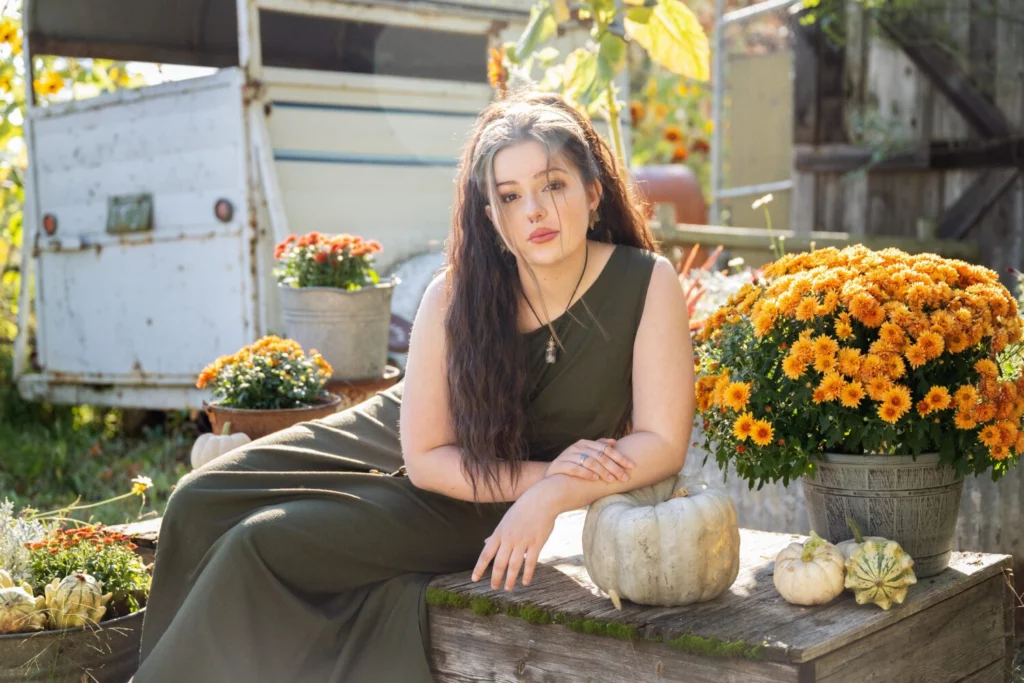
How to Take Casual Senior Photos That Shine
Senior year marks a major milestone that deserves photos reflecting who you really are. Gone are the days when graduation portraits had to be stiff and formal.
At Kelly Tareski Photography, casual senior photos are one option for seniors who prefer a relaxed wardrobe, location, and portrait style rather than a more formal look. The right approach combines comfortable styling, meaningful locations, and natural poses that showcase your unique story.
What Outfits Work Best for Casual Senior Photos
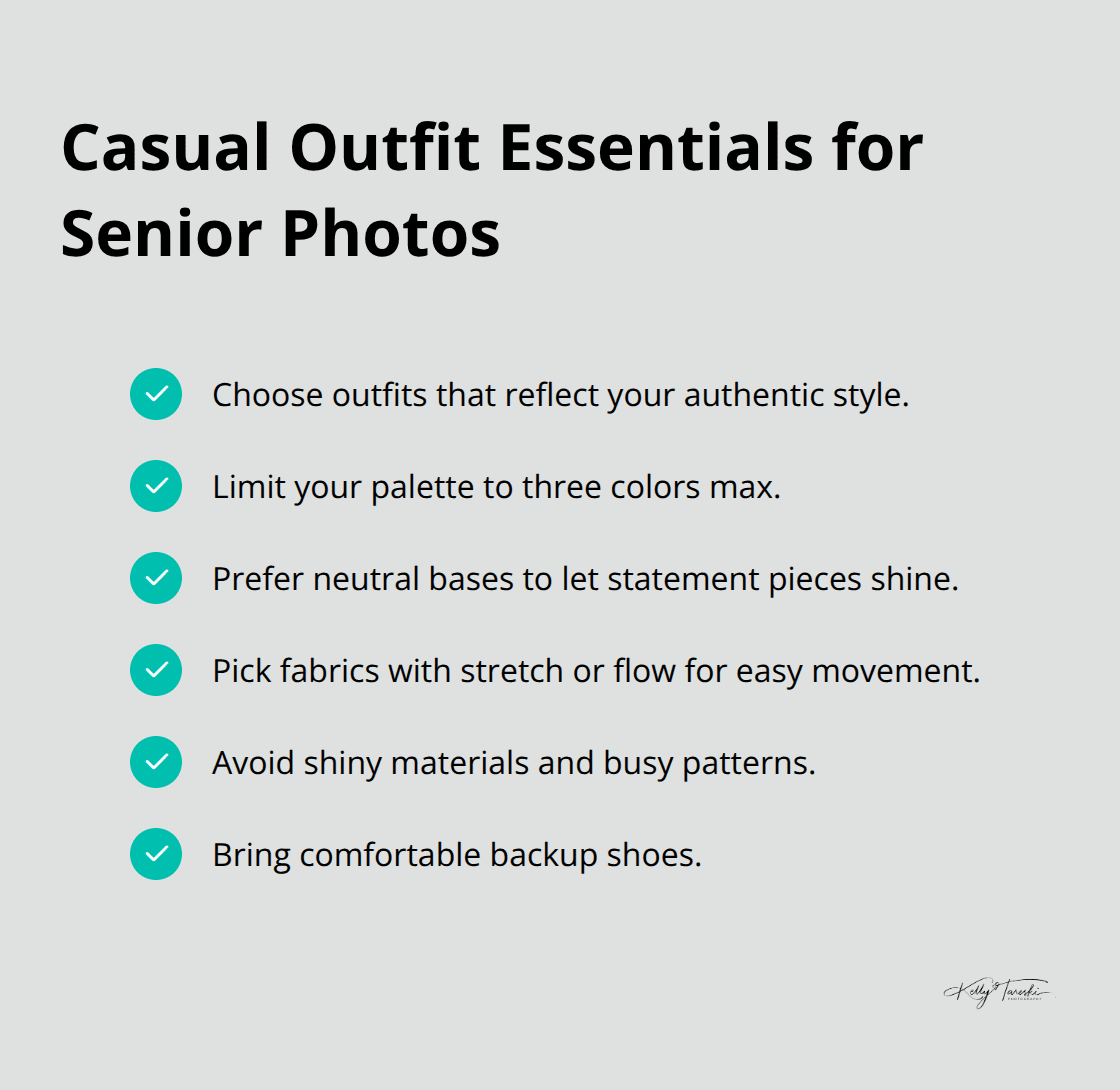
Outfit choices help set the visual direction for casual senior photos. Start with pieces the senior actually likes wearing and can move in comfortably. Jeans and a simple top are one option, but dresses, skirts, jumpsuits, button-down shirts, sweaters, T-shirts, jackets, trousers, and many other combinations can work. Choose the level of casual or polished styling that fits the photographs you want rather than following a gender-based wardrobe formula.
Color Coordination That Actually Works
There is no required maximum number of colors for a senior-photo outfit. Neutrals can create a quieter palette, while stronger colors can create more contrast or visual emphasis. Earth tones, bright colors, dark tones, pastels, and neutrals can all work in natural settings. Consider how the clothing interacts with the background, the senior’s preferences, and the overall visual direction rather than assigning colors by skin-tone formula. Bright colors and patterns can also work when they are intentional and balanced with the location and rest of the wardrobe. Colors do not have to share one undertone to work together. Compare the complete outfit with the planned background and decide whether you want harmony, contrast, or a stronger statement.
Movement and Comfort Come First
Your clothes need to work with your body, not against it. Test every outfit by sitting, walking, and raising your arms before your session. Stiff fabrics create awkward bunching and restrict natural movement. Choose materials with slight stretch or flow that photograph well in motion. Shoes matter more than most people realize – uncomfortable footwear shows in your posture and facial expressions (even when you try to hide it). Bring a backup pair of comfortable shoes even if they change the look slightly.
Fabric Choices That Photograph Well
Fabric changes how an outfit moves, reflects light, and holds its shape. Matte, textured, smooth, structured, and flowing materials can all work depending on the portrait style. Test the actual garment before the session, especially if it wrinkles easily, reflects a lot of light, or changes shape in wind.
Physical comfort makes it easier to sit, stand, walk, and change poses without constantly adjusting clothing. Location is another part of the visual plan, so consider the wardrobe and setting together.
Where Should You Shoot Your Casual Senior Photos
Location helps establish the look of casual senior photos. A place can be personally meaningful, visually interesting, easy to access, or simply a good match for the wardrobe and portrait style. Urban settings can add brick, murals, storefronts, architectural lines, or industrial textures. Choose backgrounds intentionally so they support the subject rather than compete for attention.
Natural Settings That Actually Work
Natural locations require practical thought beyond scenery. Trees, open fields, shorelines, trails, and other settings each create different backgrounds and lighting conditions. For a deeper look at location, light, and access planning, see the outdoor senior portraits Spokane guide. Morning or evening light can be useful, but there is no single time or type of park that is automatically better. Consider current access rules, crowds, safe footing, weather, available light, and the amount of space needed for the planned portraits.
Personal Spaces Tell Your Story
Favorite local spots can make a session more personal. A coffee shop, backyard garden, sports field, or another familiar place may connect the portraits to an activity or part of senior year that matters to you. Home locations can also work when the space, light, privacy, and session plan support them. Familiarity is useful, but it does not guarantee a particular expression or experience.
Weather and Season Considerations
Weather affects comfort, access, clothing, and the available look of an outdoor session. Spring, summer, fall, and winter can each produce different backgrounds and light. Midday sun can still be used intentionally, while morning or evening may offer lower-angle light. In cold or hot conditions, adjust the session plan around safety, comfort, and the actual weather rather than a fixed seasonal formula.

Once you select a location that fits the session plan, the next step is deciding how much posing, movement, and direction you want within that space.
How Do You Pose for Natural Senior Photos
Conversation can help some seniors settle into a session, while others prefer quieter direction, movement, or more structured posing. There is no required warm-up period and no prompt that guarantees a genuine smile. The photographer can adjust the pace and level of interaction based on how the senior responds.
Movement Creates Magic in Senior Photos
Walking and other movement can add variety when the senior is comfortable with it. A photographer might use walking toward or away from the camera, turning, shifting weight, adjusting a jacket, or other simple actions. Movement is an option, not a requirement, and it should fit the clothing, location, footing, and the senior’s comfort.
Props That Actually Add Value
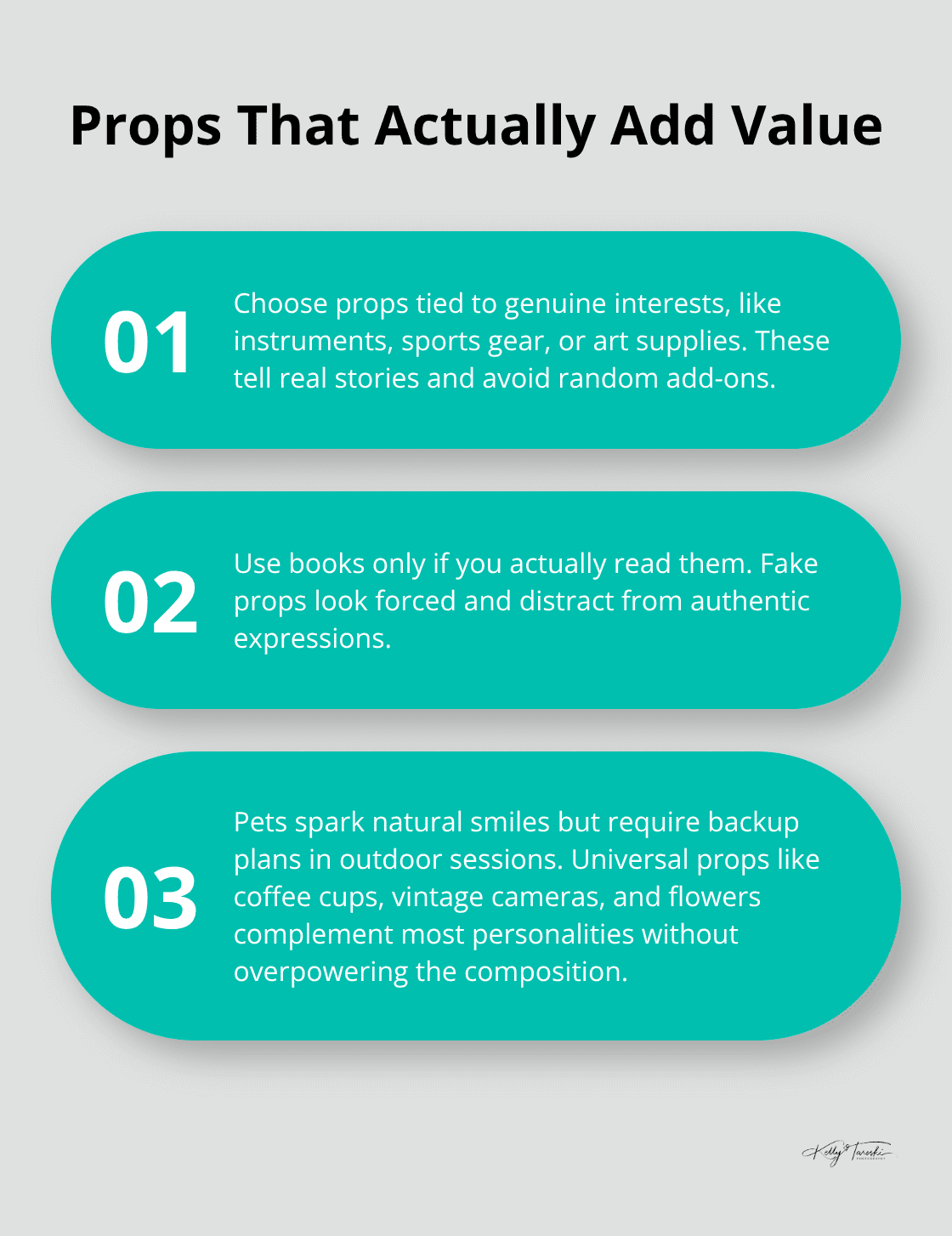
Props can add context when they connect to an actual interest, activity, or part of the senior’s story. Musical instruments, sports equipment, art supplies, books, pets, or other meaningful items can work when they fit the session concept. Avoid adding objects only because they are common in senior portraits. If a pet or large prop is involved, plan for handling, transport, safety, and the time it may add to the session.
Hand Placement That Looks Natural
Hand placement is one part of posing direction. Hands can rest in pockets, hold an object, adjust clothing, touch hair, rest at the side, or take another position that fits the pose. The photographer can change hand position when something looks tense or distracting rather than treating one placement as universally flattering or natural.
Final Thoughts
Casual senior photos can combine comfortable clothing, a location that fits the senior, and as much or as little movement as the session calls for. The goal is to create a portrait set that reflects the style the senior actually wants rather than forcing every session into the same formula.
A casual session does not require the senior to act relaxed, confident, playful, or serious on command. Those expressions can vary throughout the session, and the photographer can work with what feels natural to the person being photographed.
At Kelly Tareski Photography, senior sessions can be planned around the senior’s preferred style, wardrobe, location, and the kinds of portraits they want to create. Contact us to discuss current session options and whether an on-location setting fits the plan.
Senior Portrait Most Searched Articles
- Kelly Tareski Photography Homepage
- Senior Portraits Portfolio
- Senior Portraits Spokane WA A Rite Of Passage
- The Difference Between Graduation Photos and Senior Pictures
- 10 Senior Portrait and Photography Styles
- Are Senior Portraits Still a Thing?
- Capturing Natural Senior Portraits: Barefoot Edition
- Looking Back – The Last Three Years of Senior Portraits – Spokane
- Fine Art Senior Portrait Photography Style Spokane Washington
- How Much Do Senior Pictures Cost?