

Enhancing Photography With Natural Light
Quick answer: My Nine Mile Falls property gives me many different natural-light situations within one portrait location. The useful light changes with season, weather, time of day, tree cover, buildings, open sky, and reflective surfaces. This article is specifically about how I use those changing conditions across the five-acre property rather than treating natural light as one fixed style.
My World
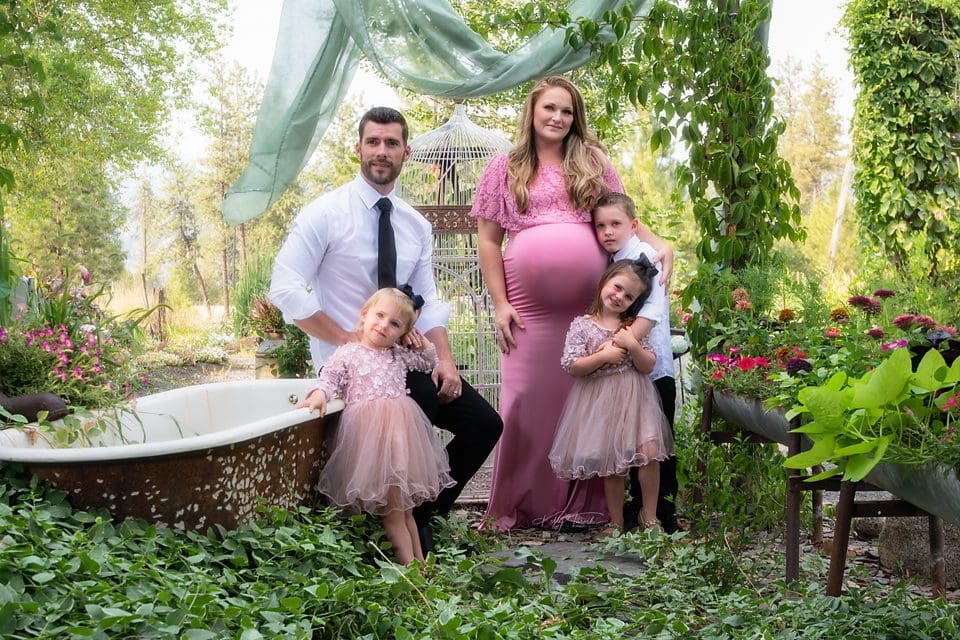
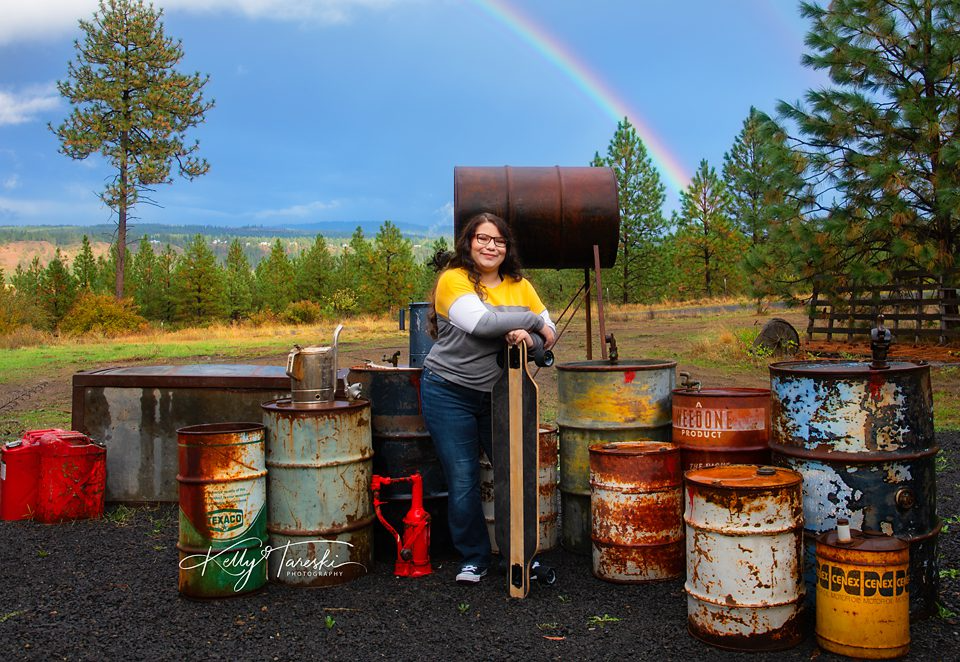
Kelly Tareski Photography is based on a private five-acre property in Nine Mile Falls near Spokane, including three acres of gardens and vineyard. The property changes throughout the year, so flowers, greenery, color, shade, and background options are seasonal rather than guaranteed. I use different parts of the property for family, senior, couples, and other portrait sessions according to the current conditions and the look we are creating.
Capturing the beauty of natural light in photography
Photography lovers have a deep appreciation for the beauty of natural light. The way it illuminates and highlights different subjects can bring life to a photo and captivate the viewers. Whether it's the warm hues of a sunrise or the soft glow of a sunset, natural light has the power to transform a photograph into a stunning piece of art. Capturing the essence of natural light takes skill and technique, but the end result is worth the effort. With the right composition and timing, photographers can freeze a moment in time and capture the beauty of nature's precious gift.
Taking advantage of golden hour photography
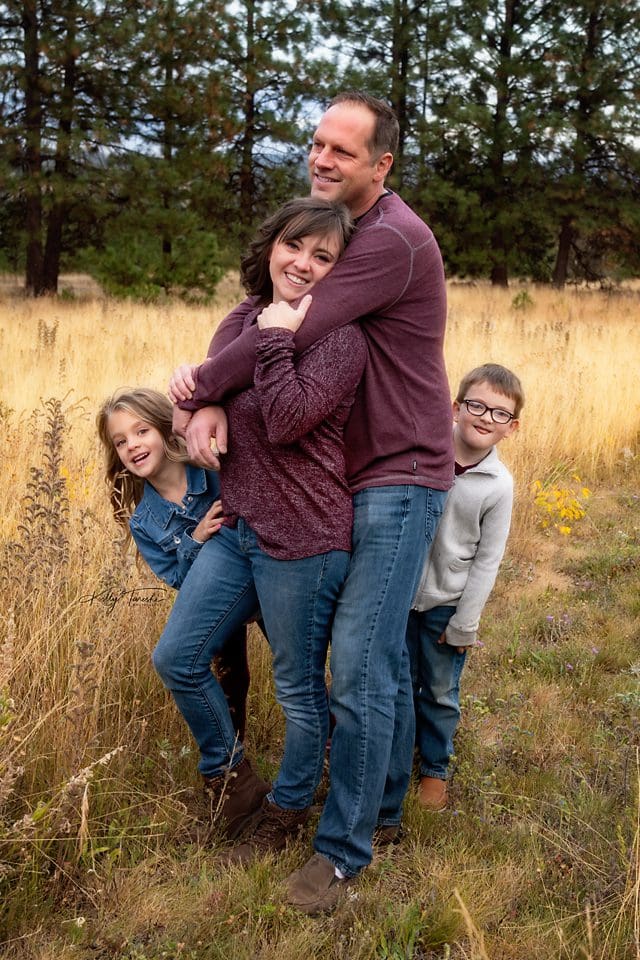
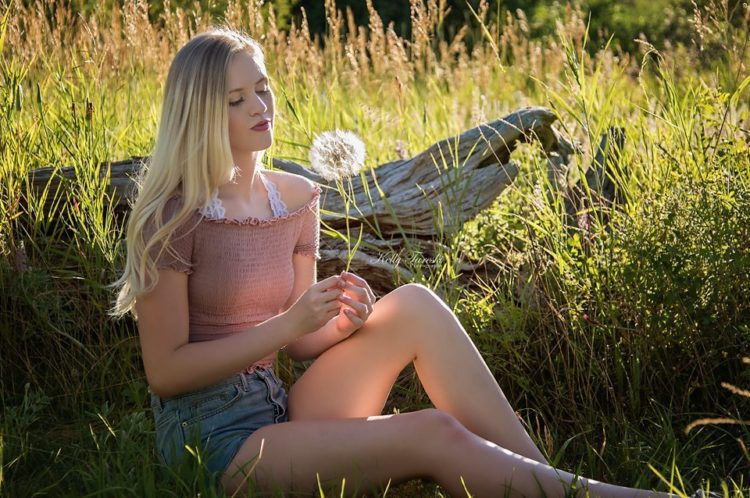
Lower-angle light near sunrise or sunset can create warm color, longer shadows, and useful backlight in the gardens, but it is not the only time I photograph outdoors. Golden-hour timing and appearance change throughout the year, and open shade, overcast skies, direct sun, reflected light, and earlier or later conditions can all work. I choose the location on the property after looking at the actual light rather than waiting for one supposedly perfect hour.
How my gardens create unique backdrops for my photos
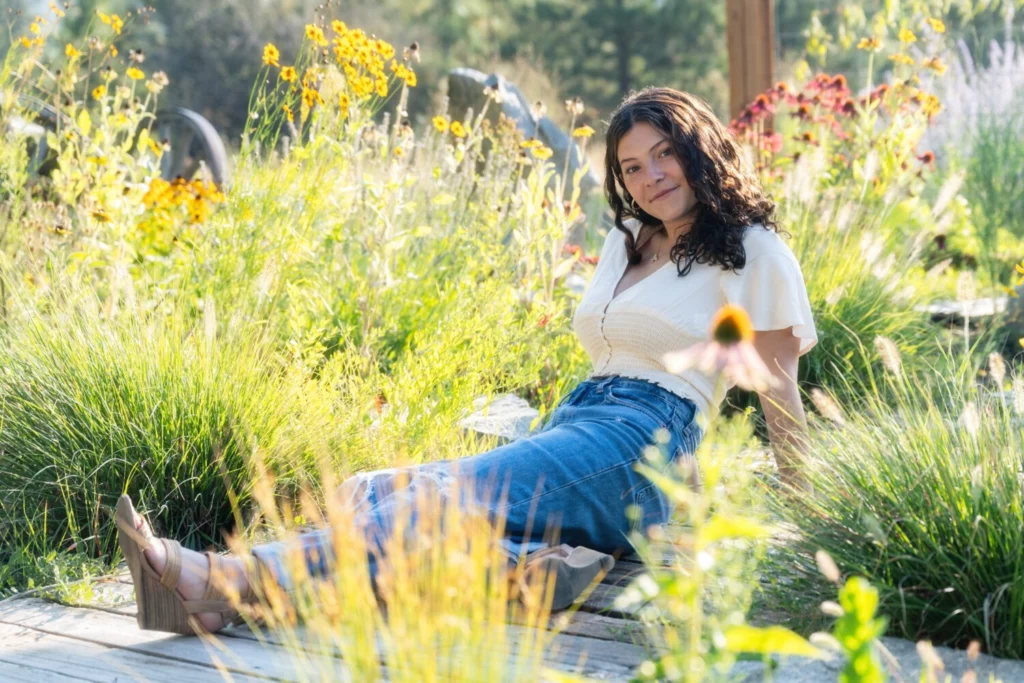
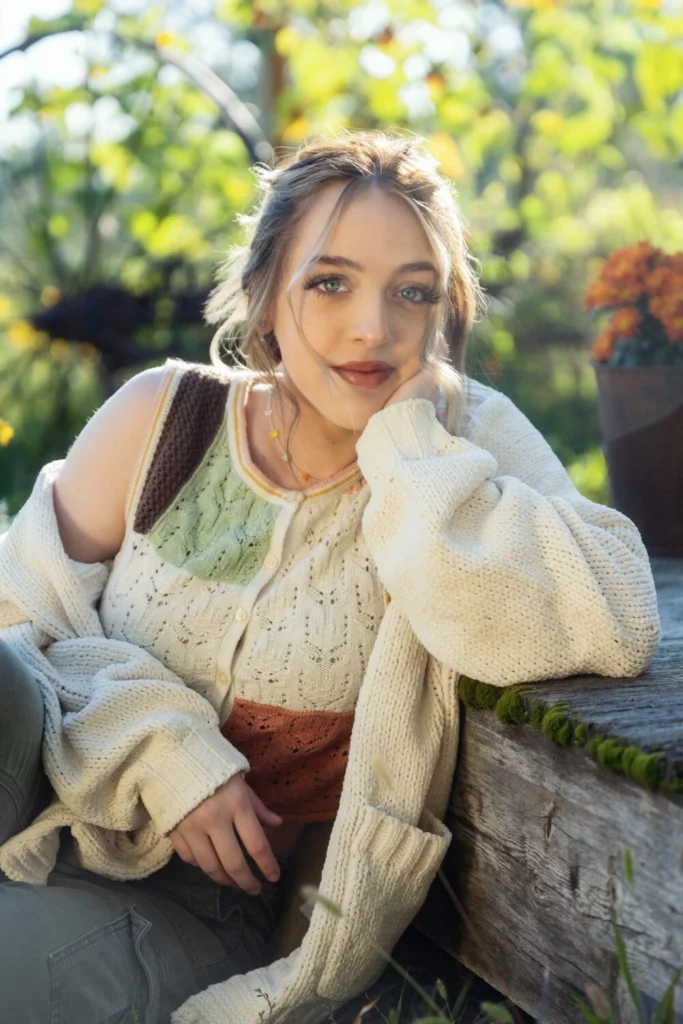
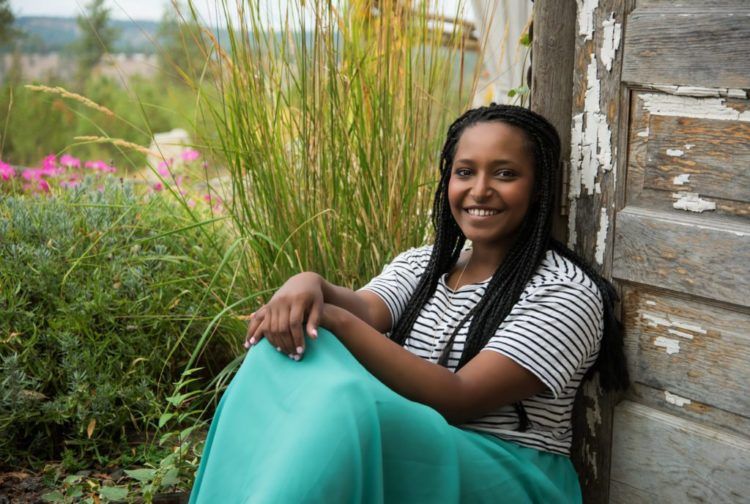
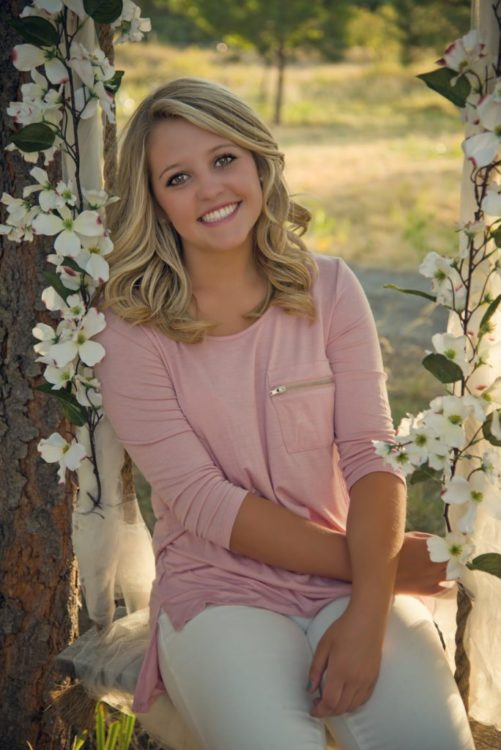
The gardens give me layers of foreground, background, texture, color, open sky, shade, and seasonal plant life to work with. Instead of treating a flower bed or tree line as a backdrop by itself, I look at how the light falls across it and how bright it is relative to the subject. Sometimes the strongest portrait comes from a simple patch of shade, a narrow opening between plants, a reflective wall, or a darker background that helps the subject separate.
Tips and tricks to use natural light like a pro
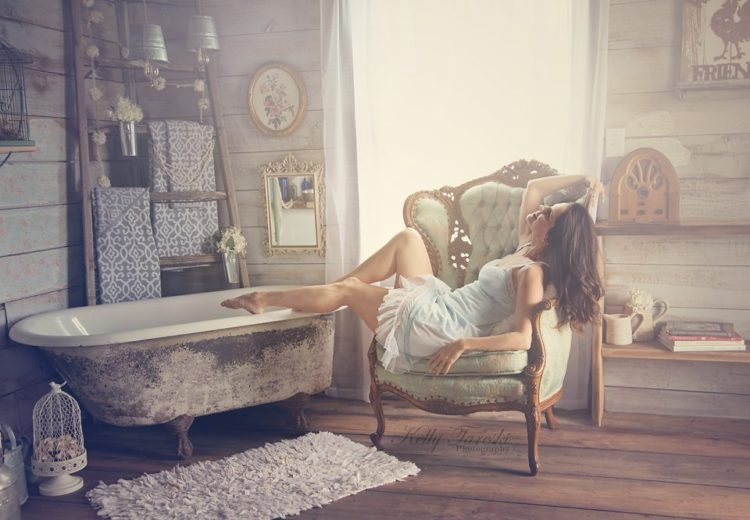
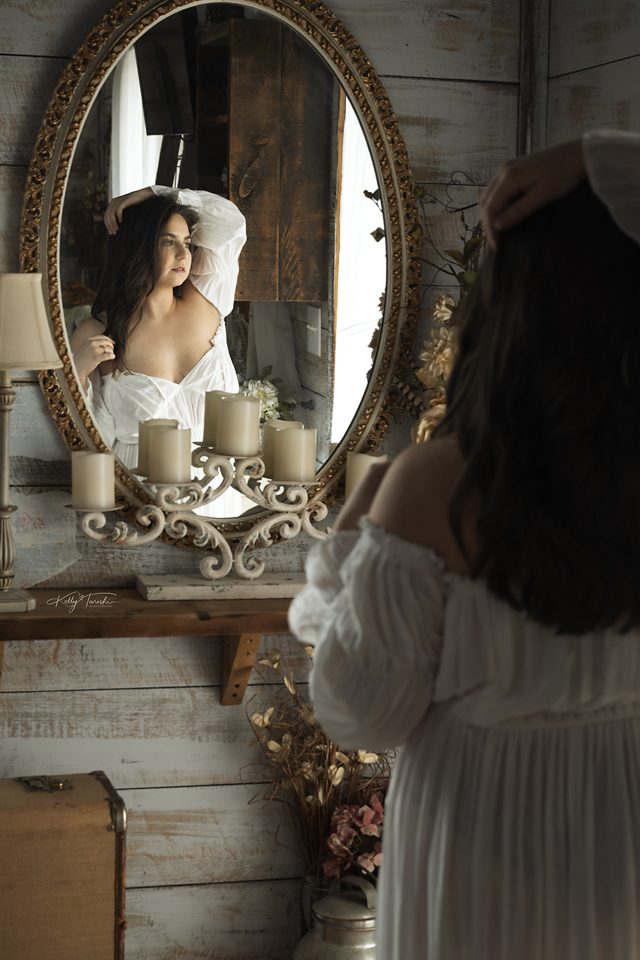
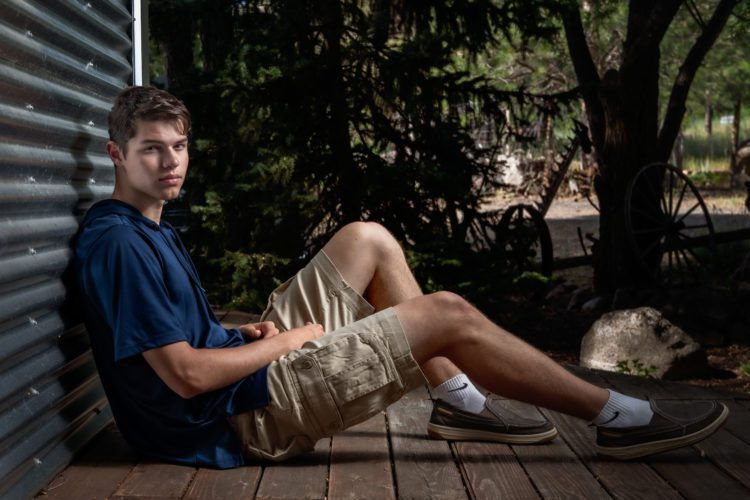
Natural light is one lighting option, not a guarantee of an organic, authentic, or professional result. On the property, I pay attention to light direction, contrast, background brightness, color, and the subject's position. Natural light can be less controllable than studio light, so the practical skill is learning when to move the subject, move the camera, use shade, add reflection or fill, or choose a different part of the property.
-
Time of Day
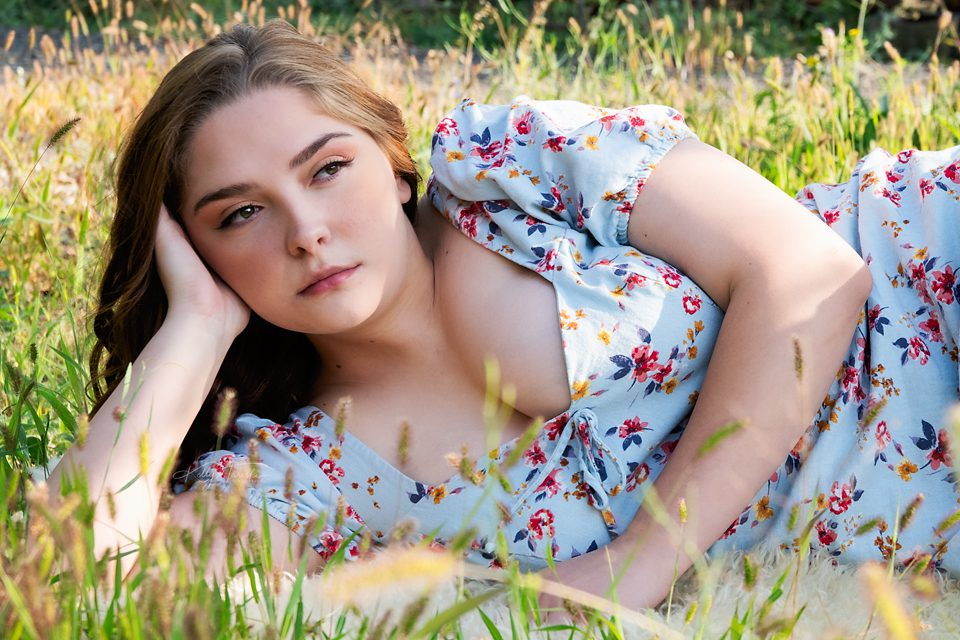
Time of day changes sun angle and the way different parts of the property receive direct light or shade. Early morning and late afternoon can provide lower-angle light, but midday, overcast conditions, and open shade can also be useful. Check the actual light in the location rather than assuming one part of the day is automatically best.
-
Location
Another important tip for using natural light in photography is to pay attention to your location. Different locations have different types of lighting, so it’s important to take into account how your chosen location will affect your photos. For example, open fields tend to have more even lighting than wooded areas, which can create interesting shadows and highlights on your subject.
-
Direction
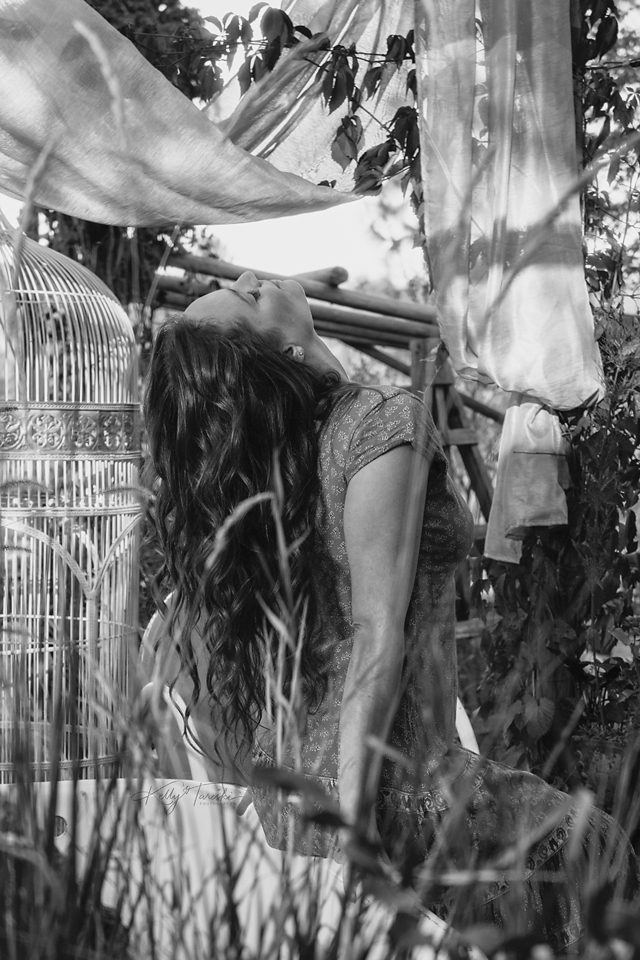
Finally, it’s important to pay attention to the direction of the light when taking photos with natural light. Generally speaking, backlighting (when a subject is lit from behind) works best for silhouette shots, while side lighting (when a subject is lit from one side) creates more dramatic shadows and highlights on a subject’s face or body. It’s also important to note that direct sunlight can cause harsh shadows and blown-out highlights, so you may want to shoot in shaded areas or use diffusers if possible.
That's a Wrap!
The five-acre Nine Mile Falls property gives me a wide range of outdoor portrait possibilities because the light and backgrounds change from one area to another and throughout the seasons. I use those differences intentionally rather than promising one perfect natural-light formula. If you are considering a portrait session here, contact Kelly Tareski Photography and we can discuss which part of the property and which visual style fit the photographs you want.

Education Most Searched Articles
- Kelly Tareski Photography Homepage
- How to Choose Background Colors to Complement Skin Tones
- Choosing the Best Lens for Stunning Senior Portraits
- 5 Tips Using the Nikon Z7ii Camera for Portrait Photography
- Exploring Spokane Through a Lens: Must-Visit Photo Locations
- How to Choose the Best Lenses for Senior Portraits
- When to Use a Neutral Background in Photography
- Top Posing Ideas for Solo Portraits: Looking Confident and Natural
- The Economy and Photography
- How the Economy Impacts Photography
- How to Weather Economic Slumps as a Photographer
- Finding Creative Ways to Promote Your Photography on a Budget
- Free and Low-Cost Resources for Photographers