
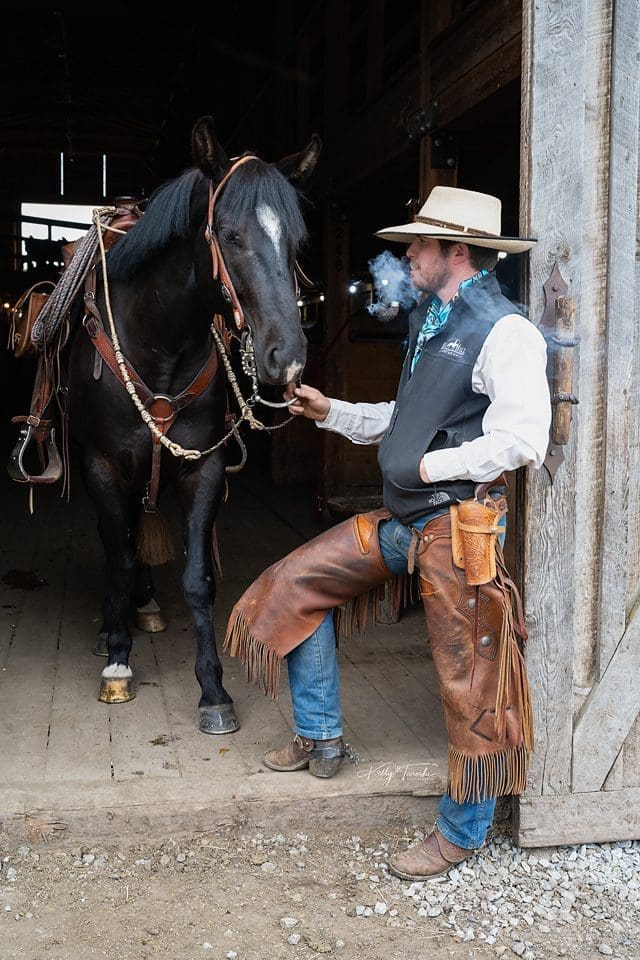
How Professional Headshots Communicate Your Brand Values
Key Takeaways
- Professional branding headshots provide a visual introduction that can support a consistent brand presentation across professional materials.
- A strong headshot should fit your role, audience, personal style, and the places where the image will be used.
- Using current, consistent images can make your professional profiles and marketing materials feel more cohesive.
- A photographer can help coordinate lighting, background, crop, expression, and styling with the way you want to present your brand.
- A well-planned headshot gives you a reusable professional image for profiles, websites, directories, proposals, and marketing.
A professional branding headshot can communicate brand values through expression, wardrobe, background, lighting, crop, and overall visual style. It can help create a consistent introduction across a website, LinkedIn profile, directory, proposal, or marketing piece, but a photograph cannot prove competence or guarantee business results.
Plan the image around the audience and places where it will be used. For related guidance, explore branding and headshot photography and branding photography and visual consistency.
How Visual Choices Support Brand Presentation
How a Headshot Functions in a First Introduction
People can form impressions quickly from profile images, so clarity and intentional presentation matter. A current headshot can show your face clearly and create a visual style that fits your role and brand. Lighting, expression, wardrobe, background, and crop are creative choices, not evidence of how capable or trustworthy someone is.
How Your Image Supports Professional Context
Potential clients, employers, and collaborators may encounter your headshot alongside many other profiles. A clear, current image can make your professional presence more consistent across those touchpoints. Choose the photograph for relevance and recognizability rather than expecting a particular image style to produce a guaranteed number of views, messages, or opportunities.
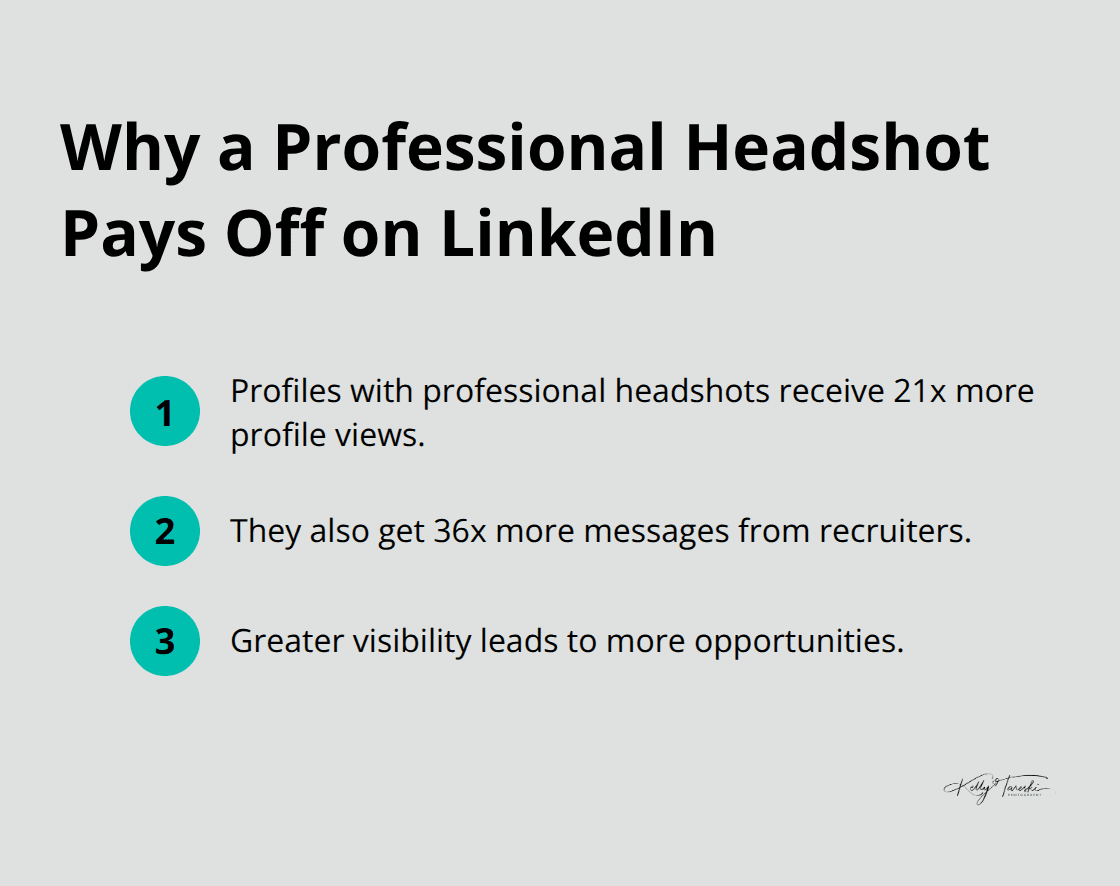
Your headshot can reflect your role, audience, workplace, and personality without following one industry-wide formula. Setting, clothing, expression, crop, and lighting are all choices that can be adjusted to the individual and the places where the photograph will be used.
Keep the Image Relevant to How You Work
A headshot that differs dramatically from your current appearance, role, or branding can create simple confusion across professional materials. The goal is recognizability and intentional presentation, not predicting whether an image will create credibility or change a client’s decision.
Consider how formal, creative, environmental, or traditional the photograph should feel for the audience and context where it will appear.
Building Your Headshot Around Your Brand Identity
Select Backgrounds That Match Your Industry
The background changes the amount of context in a headshot. A clean studio background can keep attention on the person, while an office, workplace, outdoor location, or other environment can add information about the role or brand. There is no profession-specific background that proves competence, stability, innovation, or creativity, so choose the setting for the person and intended use rather than an industry stereotype.
The background should support the crop, wardrobe, intended use, and amount of context you want. A visually busy environment can be useful when it tells part of the professional story, while a simpler background can keep attention on the person. The setting does not need to be an actual workplace if a studio or other location better fits the image you need.
Align Your Clothing with How You Actually Work
Wardrobe should fit the level of formality, personality, role, and intended use you want the photograph to communicate. You can match what you normally wear to work or intentionally choose a more formal, casual, creative, or editorial presentation. The useful test is whether the clothing supports the image you need and still feels recognizable as you.
Color can support the visual style of a professional headshot, but it should not be treated as a reliable measure of personality, trust, competence, or leadership.
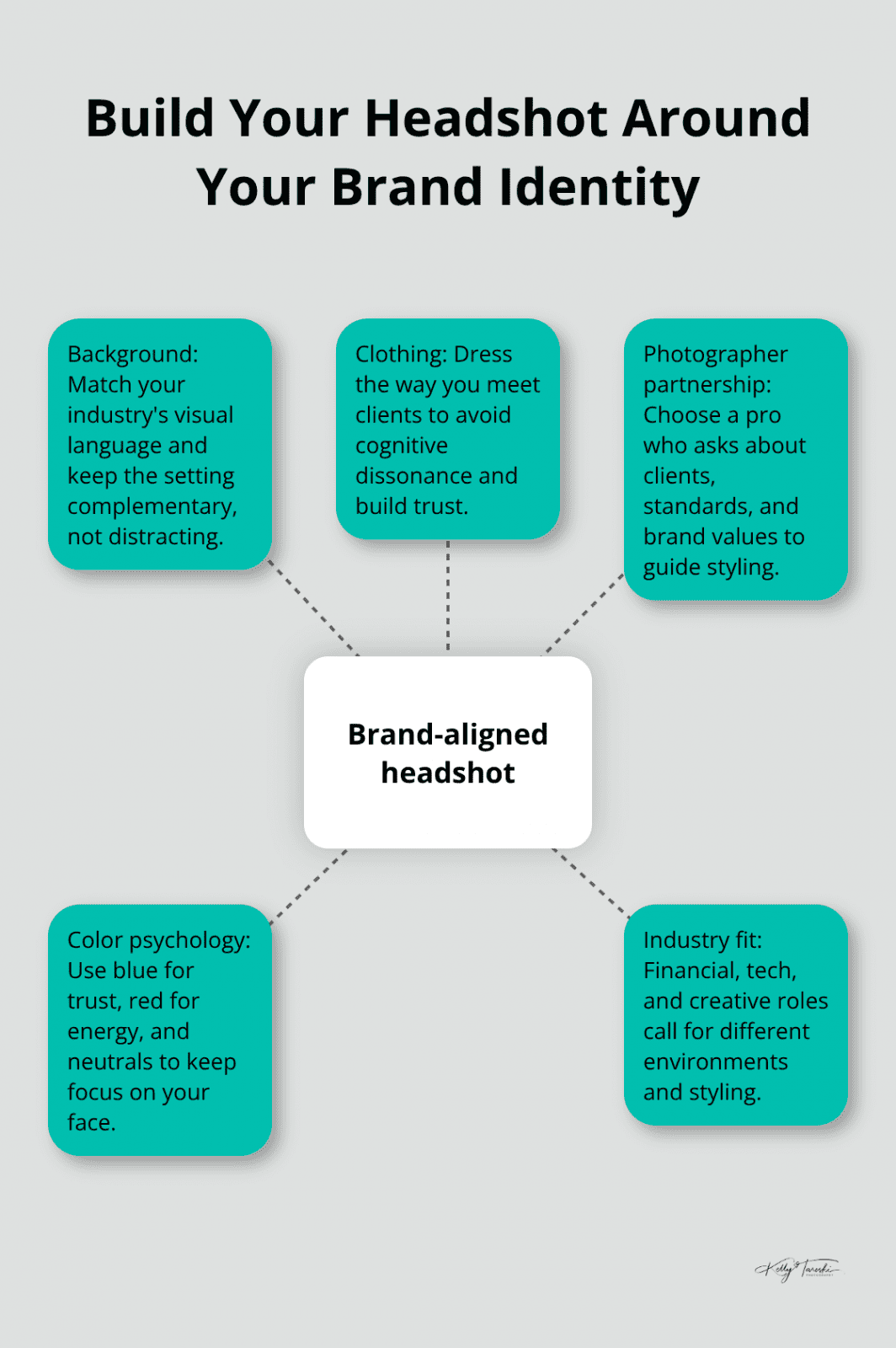
Blue, red, black, gray, white, neutrals, patterns, and stronger colors can all work when they fit the person, background, role, and intended use. Choose wardrobe because it supports your professional identity and photographs well in the planned setting, not because a specific color supposedly communicates a universal personality trait.
Work with a Photographer Who Asks the Right Questions
A photographer can help translate the intended use of the headshot into practical choices about wardrobe, background, lighting, crop, and expression. Useful planning questions include who will see the image, where it will appear, how much context the background should provide, and what level of formality fits the role. Comfort is also a valid consideration because the client still needs to move and participate in the session.
This collaborative approach lets the photographer shape lighting, composition, background, crop, and styling around the way you want to be presented. The result should feel appropriate for your role and useful across the platforms where you need the image. A headshot can support professional communication without guaranteeing career advancement or platform performance.
When a Headshot Stops Supporting the Brand Well
Coordinate Images Across Important Platforms
Using a recognizable current image across important professional profiles can reduce visual inconsistency. That does not mean every photograph must be identical, and an older or different image does not automatically signal carelessness. Update or coordinate images when the differences begin to confuse how you are presenting your current role or brand.
Your headshot does not need to be identical everywhere, but using the same photograph or a coordinated set from one session can create a more consistent visual identity across LinkedIn, websites, email signatures, directories, and other profiles. Consistency is a branding choice, not evidence of competence.
Update the Image When It No Longer Represents You Well
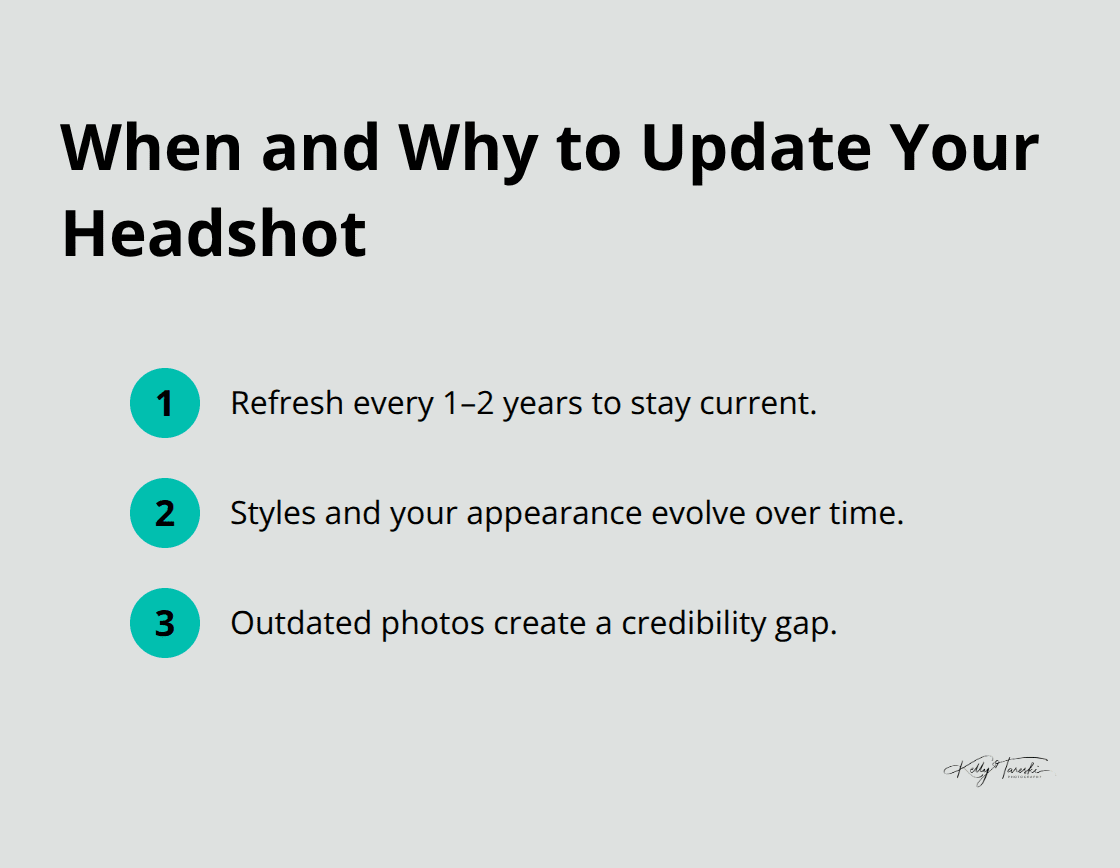
There is no universal one- or two-year replacement rule for professional headshots. Update the photograph when your appearance, role, branding, workplace, or intended use changes enough that the current image no longer represents you accurately or no longer fits the materials where it appears.
A stylistic trend alone does not make an older photograph unusable. Evaluate recognizability, technical quality, role relevance, crop, background, and whether the image still works with your current professional materials.
Technical Quality Should Fit the Intended Use
Lighting, focus, resolution, crop, color, and retouching all affect whether a headshot works for its intended platform. Professional lighting, natural light, window light, or environmental light can all be used effectively when controlled well.
A smartphone can create a useful image in some situations, while a professional session provides more control over lighting, posing, lenses, backgrounds, file delivery, and retouching. Choose the level of production needed for the way the photograph will be used.
Authenticity Matters More Than Perfection
A current headshot should make you readily recognizable. If your appearance changes substantially, consider whether the existing photograph still serves its intended purpose rather than assuming viewers will feel deceived.
Discuss retouching expectations before or during the selection process. Some clients prefer minimal retouching while others want more polish. The important point is to understand what will be changed and choose an approach that still represents the person appropriately for the intended use.
Final Thoughts
Professional branding headshots can provide a reusable set of images for LinkedIn, websites, directories, proposals, speaker profiles, and other business uses. Their practical value comes from giving you current, intentional visual assets, not from a guaranteed increase in inquiries, opportunities, trust, or revenue.
At Kelly Tareski Photography, I create headshots as reusable professional assets for profiles, websites, directories, proposals, speaker materials, and other business uses. They can support a consistent visual presentation, but they do not directly determine inquiries, credibility, revenue, or client decisions.
Update your headshot when your appearance, role, branding, or intended use changes enough that the current image no longer represents you well. See current Branding and Headshot Photography options in Spokane for session information.
Education Most Searched Articles
- Kelly Tareski Photography Homepage
- How to Choose Background Colors to Complement Skin Tones
- Choosing the Best Lens for Stunning Senior Portraits
- 5 Tips Using the Nikon Z7ii Camera for Portrait Photography
- Exploring Spokane Through a Lens: Must-Visit Photo Locations
- How to Choose the Best Lenses for Senior Portraits
- When to Use a Neutral Background in Photography
- Top Posing Ideas for Solo Portraits: Looking Confident and Natural
- The Economy and Photography
- How the Economy Impacts Photography
- How to Weather Economic Slumps as a Photographer
- Finding Creative Ways to Promote Your Photography on a Budget
- Free and Low-Cost Resources for Photographers