

Five Tips for Nailing Your Boudoir Photography Shoot
Five Boudoir Photo Shoot Tips for Planning Your Session
A boudoir session does not require a specific body type, outfit, pose, or level of exposure. The most useful preparation is practical: decide what you want the photographs to look like, what you are comfortable wearing, what privacy boundaries matter to you, and how much direction you want from the photographer.
These five tips focus on planning rather than promising a particular emotional outcome.
1. Choose Wardrobe for Fit, Movement, Coverage, and Style
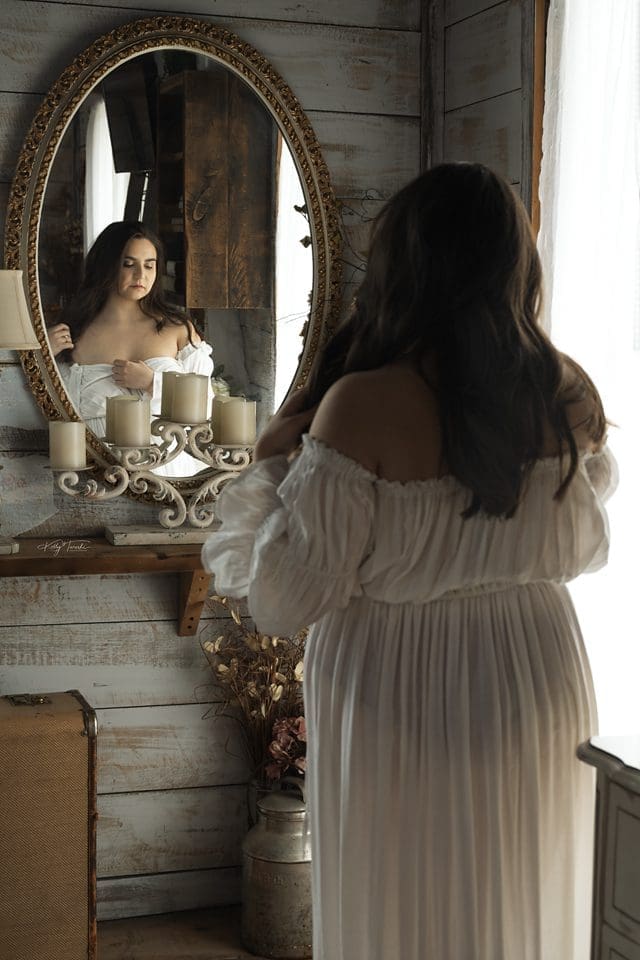
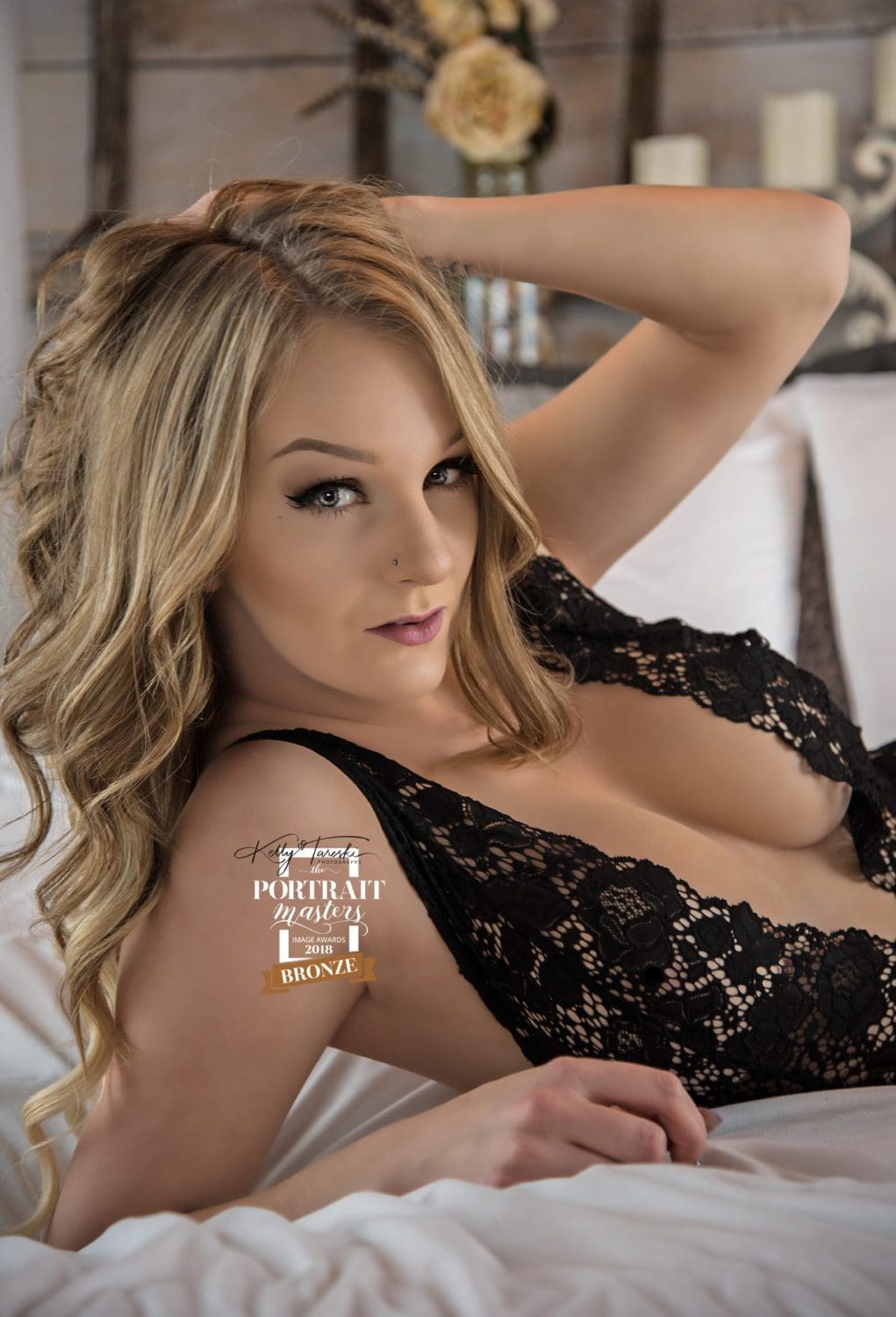
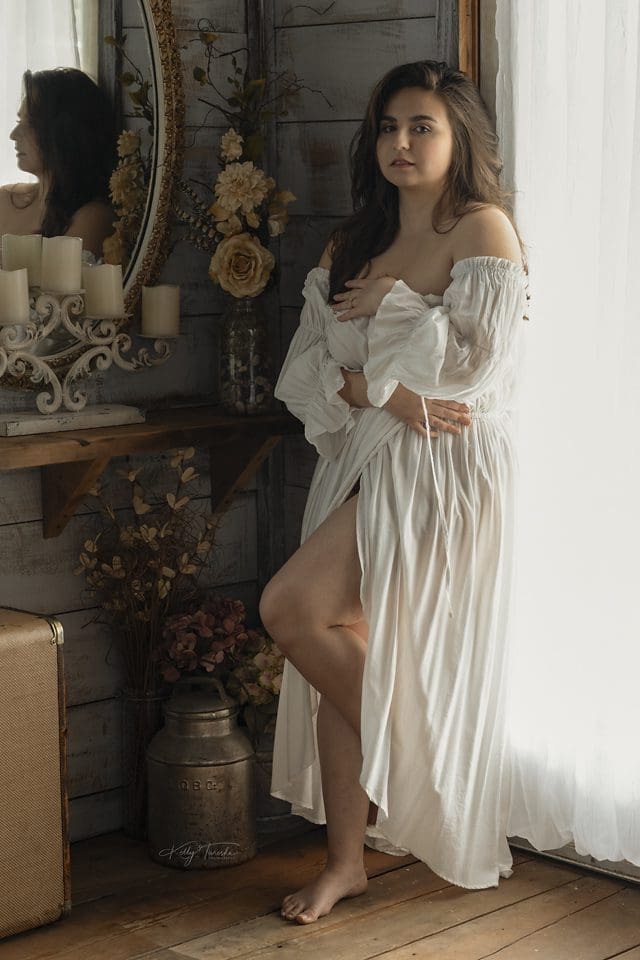
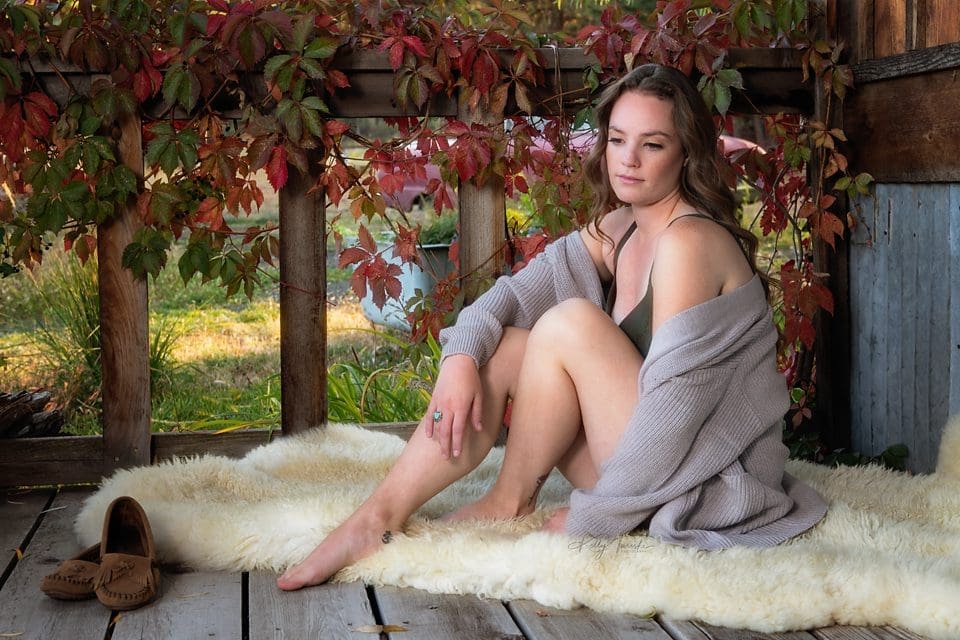
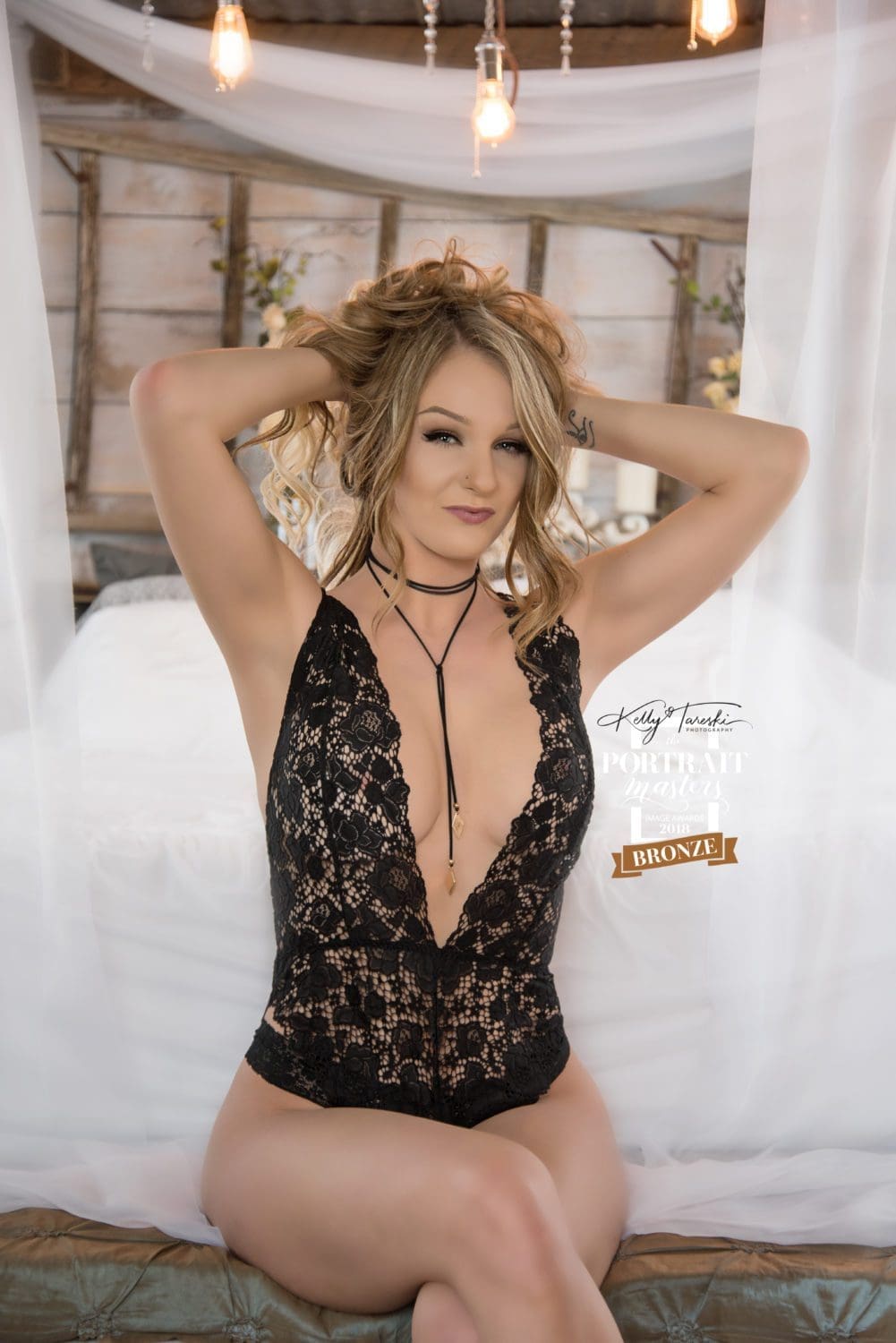
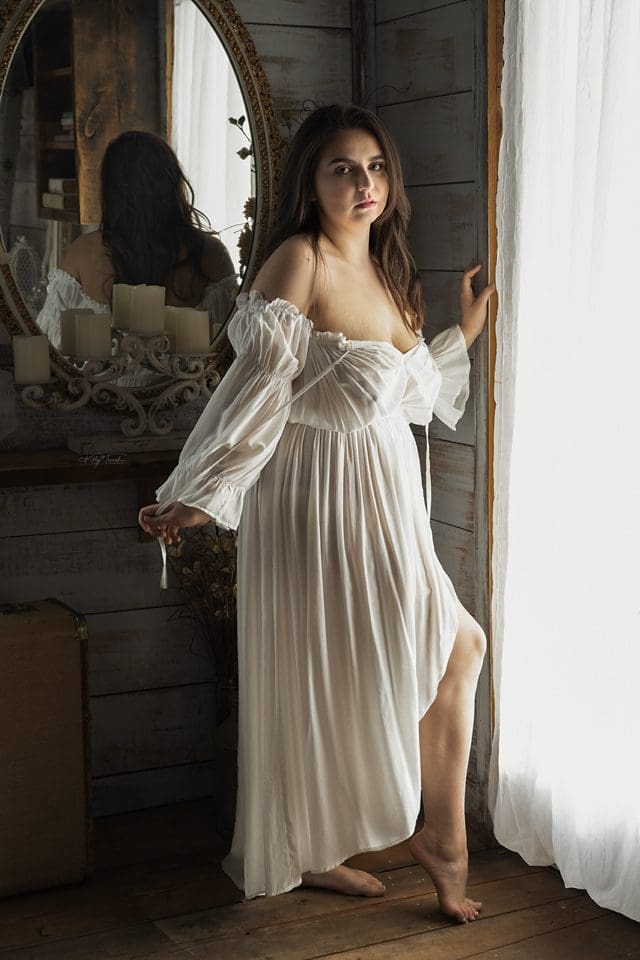
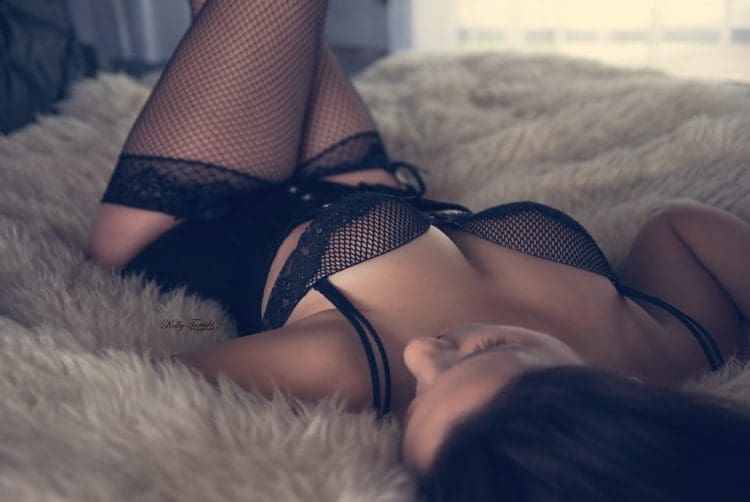
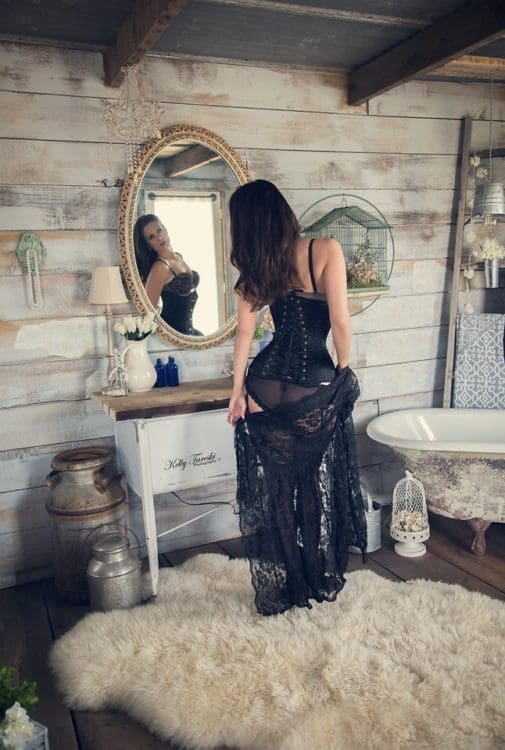
There is no single “right” boudoir outfit. You might choose lingerie, a bodysuit, robe, dress, button-down shirt, everyday clothing, fabric, or a fully dressed look. Pick pieces that fit the visual style you want and that you are comfortable moving, sitting, standing, or reclining in.
Bring a small number of coordinated options rather than packing everything you own. Consider color, texture, coverage, how the fabric photographs, and whether the outfit works with the planned background and lighting.
2. Do Not Feel Like You Need to Practice Poses
You do not need to arrive knowing how to pose. A photographer can direct posture, hands, gaze, body angle, movement, and expression during the session. Reference photographs can help explain what you like, but a pose should be adapted to your mobility, comfort, wardrobe, boundaries, and the composition rather than copied exactly.
If there are poses, angles, or levels of exposure you do not want, say so before the session and again during the shoot if needed.
3. Treat Props as Optional
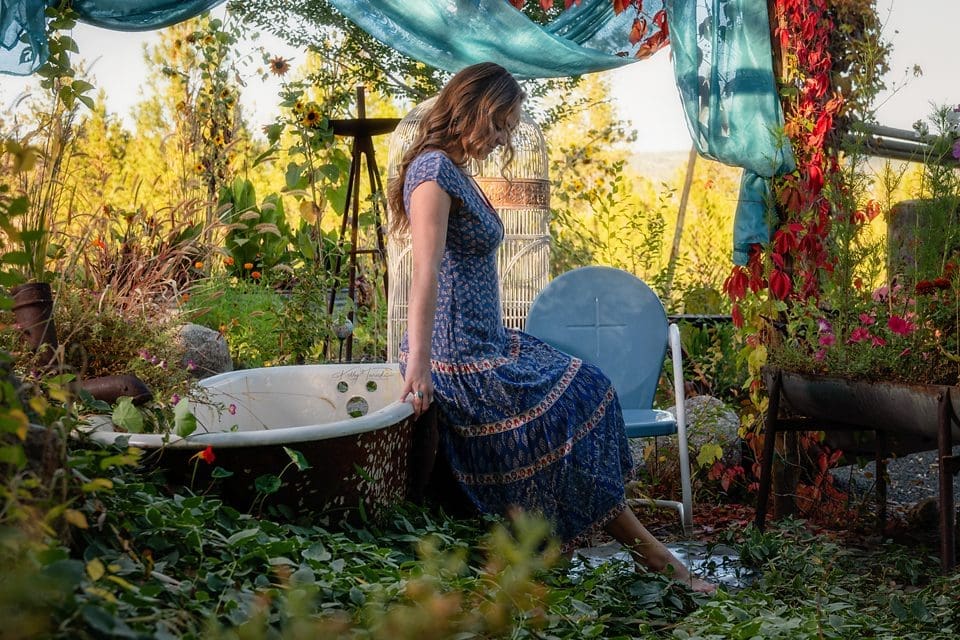
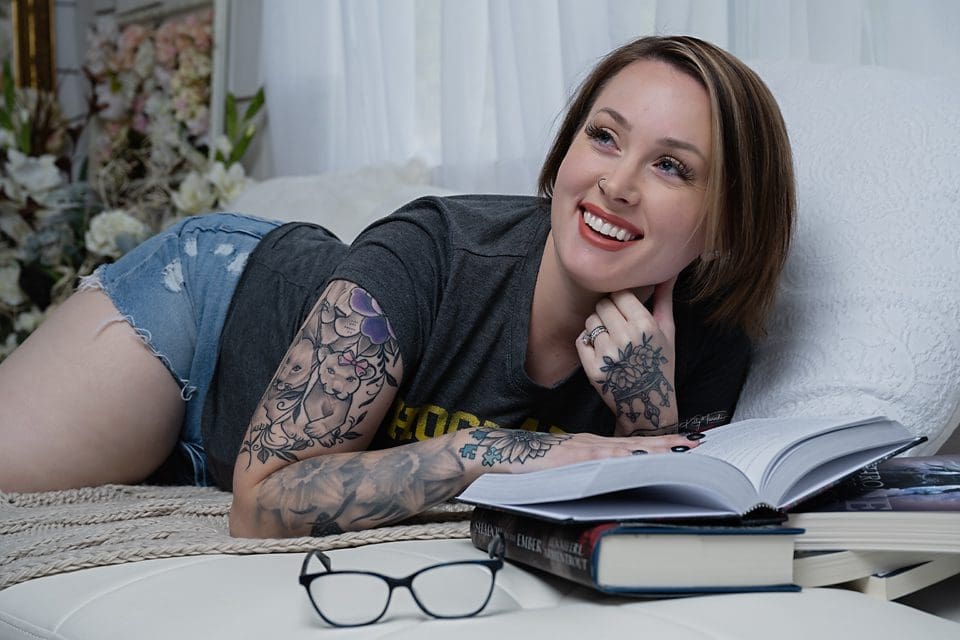
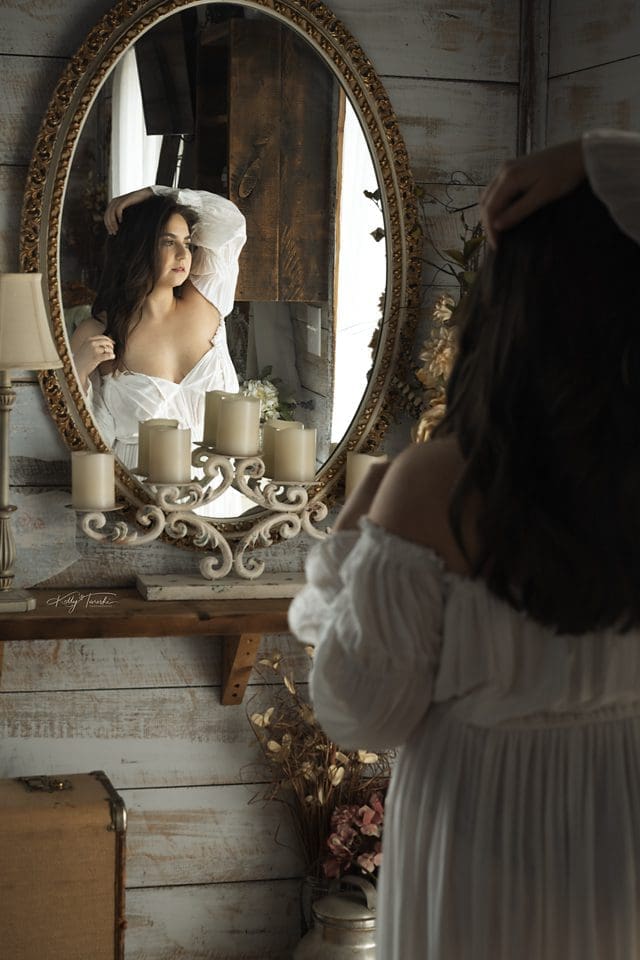
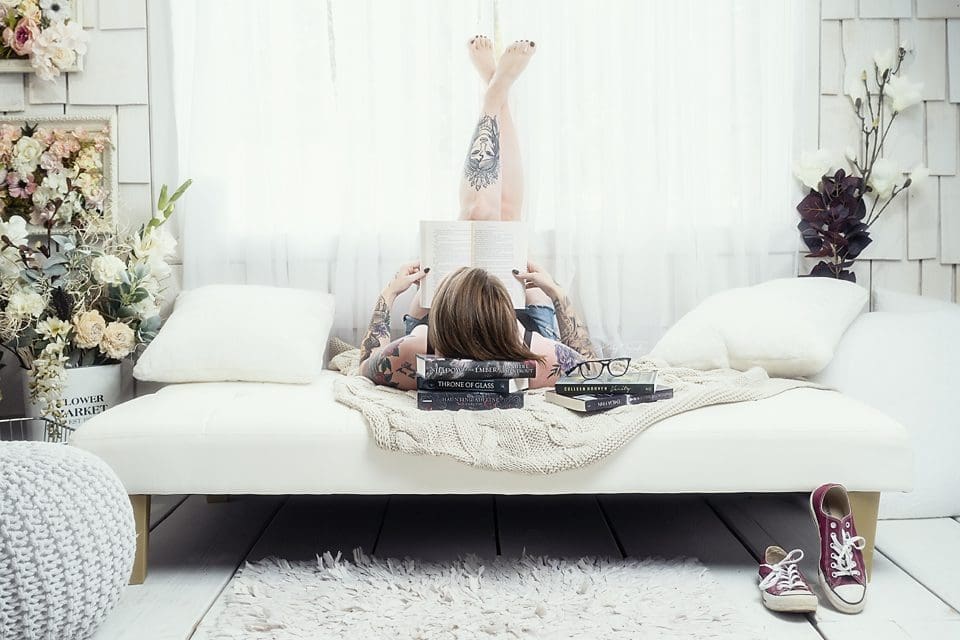
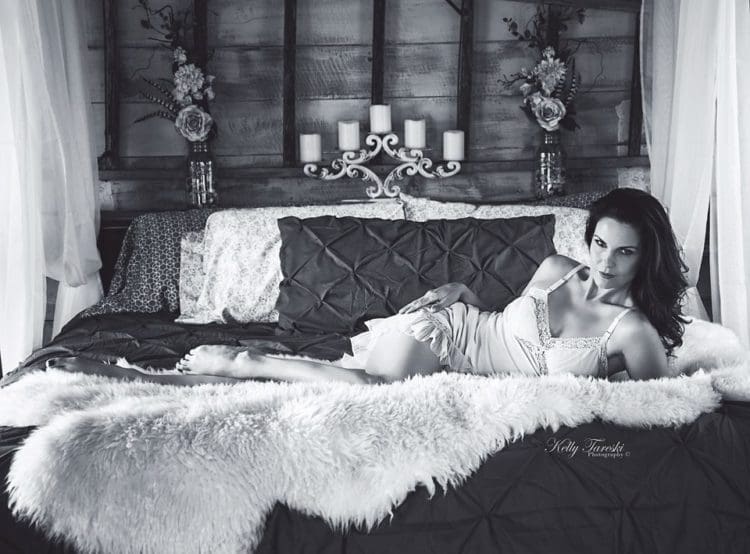
Props can add context, color, texture, or personal meaning, but they are not required for boudoir photography. A chair, mirror, flowers, sheet, jacket, jewelry, book, or personal object can work when it supports the concept. A simple set with no props can be just as effective.
Ask the photographer what is already available before bringing large or complicated items.
4. Discuss Privacy, Boundaries, and Image Use Before the Session
- Who will be present during the session?
- Where will wardrobe changes happen?
- What levels of coverage are you comfortable with?
- Are there poses or types of photographs you do not want?
- Will any images be shared online or used in the photographer's portfolio?
- How will galleries, files, and final images be delivered or stored?
Consent to be photographed is not the same as consent to publish the photographs. Image-sharing permission should be discussed separately, especially for intimate portraits.
5. Communicate the Look You Want Instead of Chasing “Perfect” Photos
Share what you like about example photographs: lighting, color, wardrobe, background, crop, posing, expression, or editing. That gives the photographer useful direction without requiring the session to copy someone else's images.
During the shoot, ask questions if you are unsure what is being directed. You can request a change in pose, wardrobe, exposure, or concept at any point. A well-planned session should leave room for adjustments rather than treating every idea as mandatory.
Quick Boudoir Session Preparation Checklist
- Confirm the session date, arrival time, and location.
- Review what is included in the package.
- Choose and test wardrobe in advance.
- Discuss hair and makeup options if offered.
- Confirm privacy and image-sharing preferences.
- Tell the photographer about mobility concerns or physical limitations.
- Discuss retouching preferences and what is or is not normally altered.
- Bring only props or accessories that support the planned concept.
Bottom Line
The best boudoir preparation is not about changing your body, memorizing poses, or finding a “perfect” outfit. It is about creating a clear plan for wardrobe, privacy, posing, communication, and the visual style you want.
For examples of different visual directions, see 20 Styles of Boudoir Photography.
Boudoir Photography Most Searched Articles
- Kelly Tareski Photography Home
- Kelly Tareski Photography Boudoir Gallery
- Boudoir Portrait Photography Spokane
- 20 Styles of Boudoir Photography
- The Couples Boudoir Photography Style
- What are Sexy Pictures? - Boudoir Photography
- Behind the Scenes of a Boudoir Photography Session
- The Outdoor Boudoir Photography Style
- The Classic Boudoir Photography Style
- What is a Boudoir Portrait
- The Black and White Boudoir Photography Style
- Why Boudoir Photography is the Ultimate Self-Love Experience
Education Most Searched Articles
- Kelly Tareski Photography Homepage
- How to Choose Background Colors to Complement Skin Tones
- Choosing the Best Lens for Stunning Senior Portraits
- 5 Tips Using the Nikon Z7ii Camera for Portrait Photography
- Exploring Spokane Through a Lens: Must-Visit Photo Locations
- How to Choose the Best Lenses for Senior Portraits
- When to Use a Neutral Background in Photography
- Top Posing Ideas for Solo Portraits: Looking Confident and Natural
- The Economy and Photography
- How the Economy Impacts Photography
- How to Weather Economic Slumps as a Photographer
- Finding Creative Ways to Promote Your Photography on a Budget
- Free and Low-Cost Resources for Photographers