

Bokeh in Portrait Photography: What It Is and How to Create It
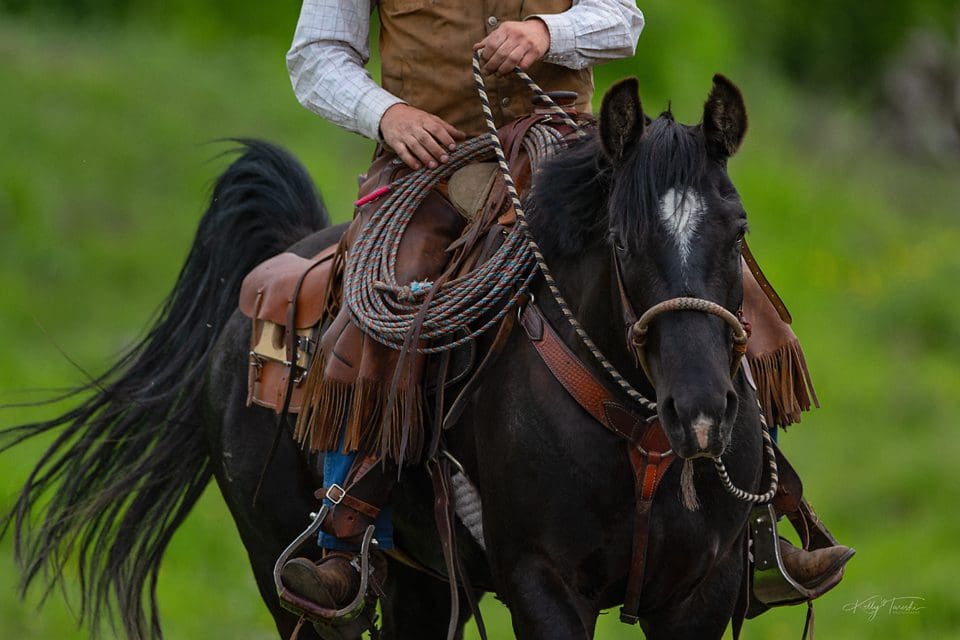
Quick answer: Bokeh is the visual character of out-of-focus areas in a photograph. A shallow depth of field can make the background less distinct, but the look of that blur also depends on lens design, aperture shape, focal length, focus distance, background distance, and the shapes and highlights in the scene.
What Is Bokeh?
Bokeh is not simply any blurry background; it describes the way a lens renders out-of-focus detail and highlights. You can create more background blur by changing aperture, focal length, camera-to-subject distance, or subject-to-background distance, but the quality of the bokeh is also influenced by the optical design of the lens.
What Controls the Look of Bokeh?
Aperture-blade count and shape can affect the appearance of out-of-focus highlights, especially when the lens is stopped down, but they are only part of the picture. Optical corrections, aberrations, aperture position, focus distance, and the background itself can all change whether bokeh appears smooth, busy, round, polygonal, or swirled.
How Do You Create More Background Blur?
Background blur becomes more pronounced when the subject is relatively close to the camera and farther from the background, when a longer focal length is used from an appropriate distance, or when the aperture is opened wider. Experiment with those variables individually so you can see which one changes the look most in your setup.
How Can Bokeh Affect Portrait Composition?
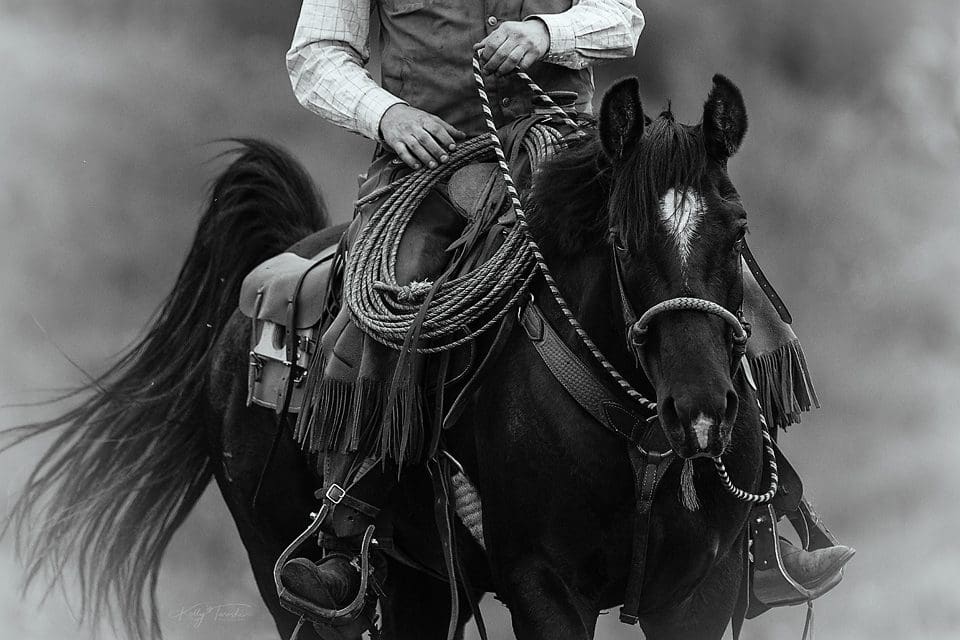
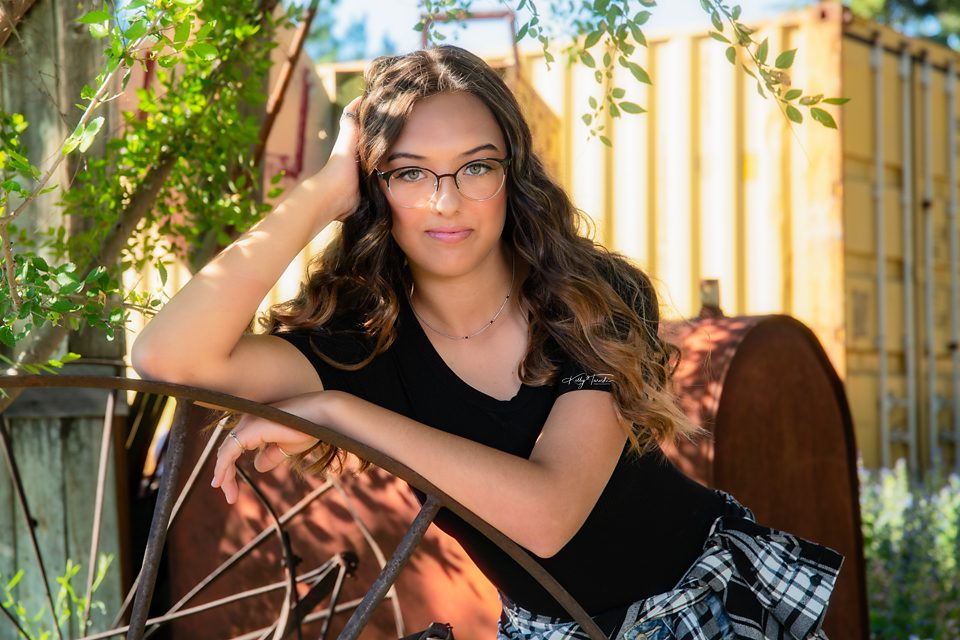
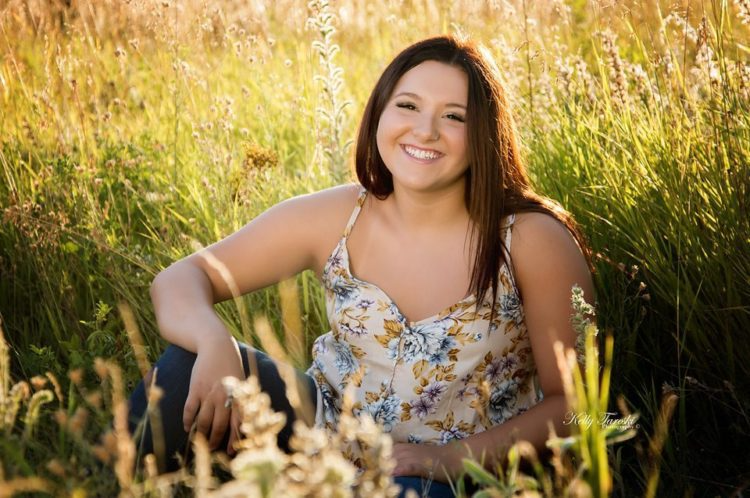
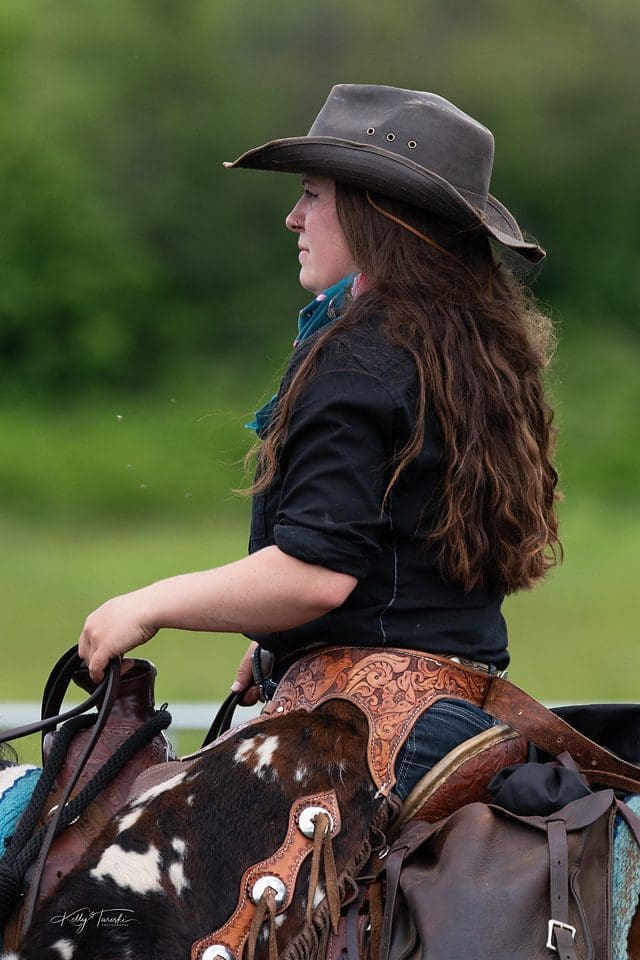
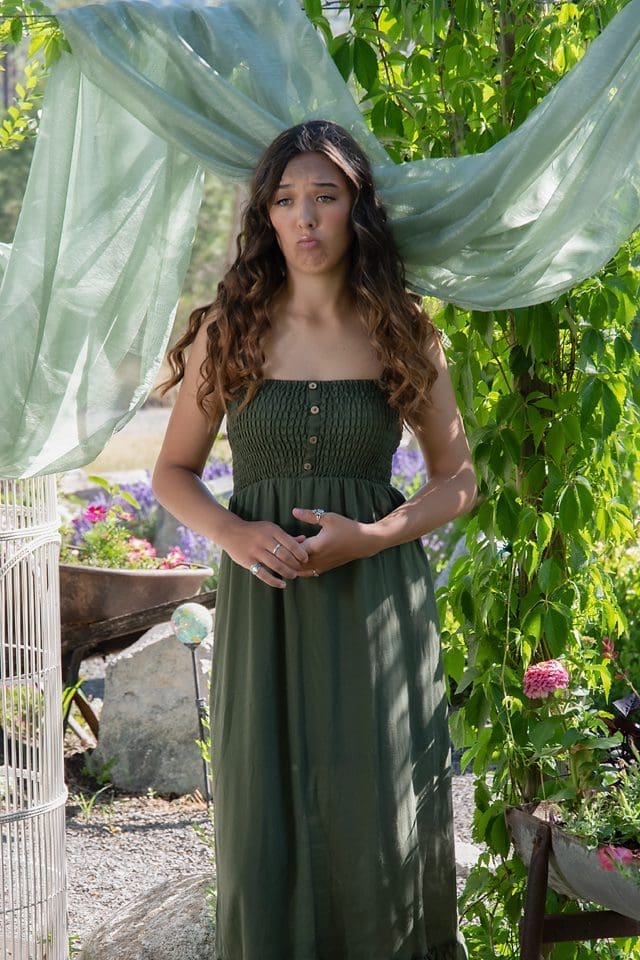
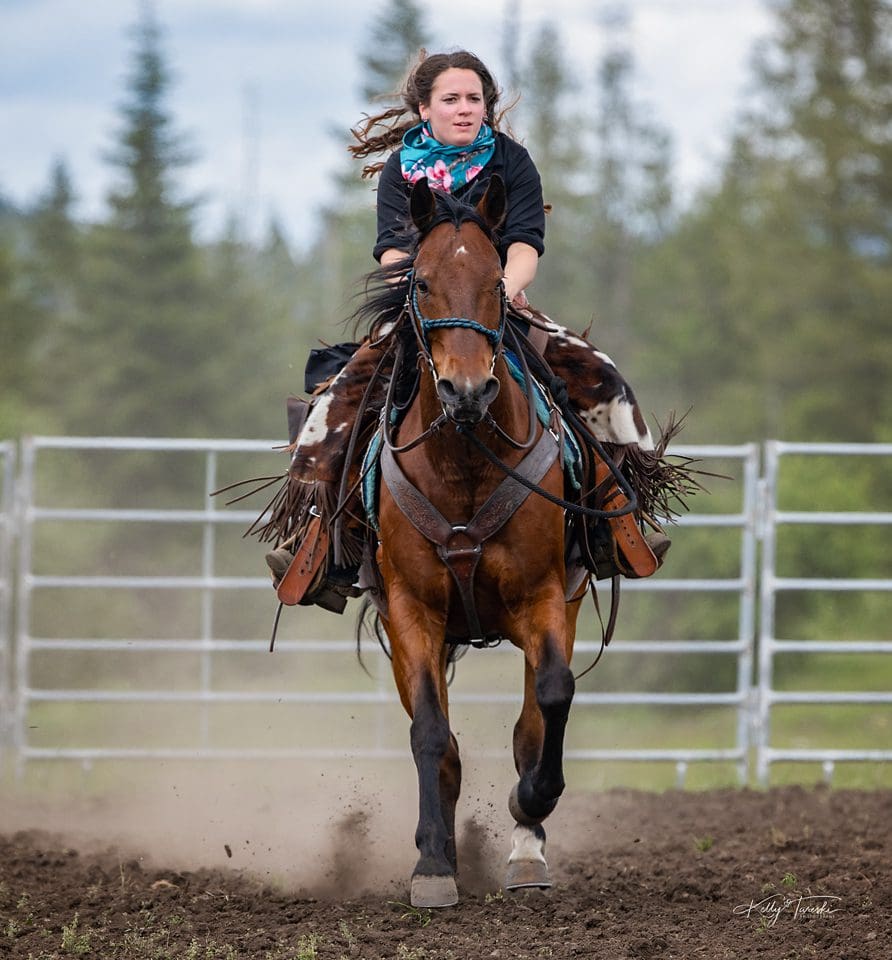
Reducing background detail can help separate a subject from a busy environment, but blur does not automatically improve a portrait. Consider whether the background provides useful context before removing detail from it. Bokeh can also become part of the composition when out-of-focus highlights, color, shape, or texture support the subject instead of competing with it.
How Do Background Highlights Change Bokeh?
Small bright areas in the background can become visible bokeh shapes when they are sufficiently out of focus. Sunlight through foliage, distant lamps, reflective surfaces, string lights, or other point-like highlights can produce different patterns depending on the lens and aperture. Move the camera, subject, or background and compare how those highlights change before deciding which version supports the portrait.
That's a Wrap!
Bokeh is a creative option, not a requirement for professional portraiture. A sharp environmental background, moderate depth of field, or very shallow depth of field can each be appropriate. Use background blur when it supports the subject and composition rather than treating it as the measure of a successful portrait.




Education Most Searched Articles
- Kelly Tareski Photography Homepage
- How to Choose Background Colors to Complement Skin Tones
- Choosing the Best Lens for Stunning Senior Portraits
- 5 Tips Using the Nikon Z7ii Camera for Portrait Photography
- Exploring Spokane Through a Lens: Must-Visit Photo Locations
- How to Choose the Best Lenses for Senior Portraits
- When to Use a Neutral Background in Photography
- Top Posing Ideas for Solo Portraits: Looking Confident and Natural
- The Economy and Photography
- How the Economy Impacts Photography
- How to Weather Economic Slumps as a Photographer
- Finding Creative Ways to Promote Your Photography on a Budget
- Free and Low-Cost Resources for Photographers