
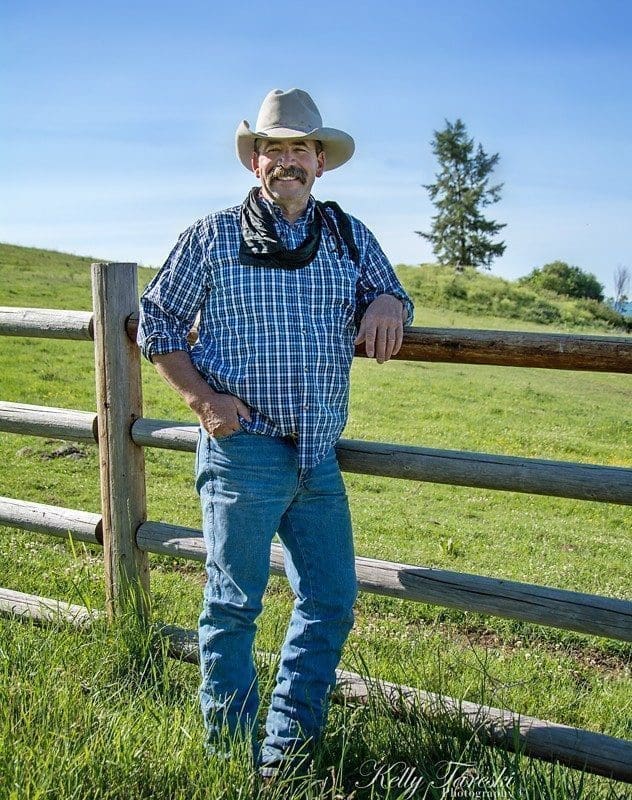
How to Showcase Your True Self in Professional Headshots
Quick answer: A professional headshot should look appropriate for how you want to be recognized at work while still feeling like you. Clothing, expression, background, crop, and lighting can all be adjusted to fit your role and personality without forcing a single corporate look.
At Kelly Tareski Photography, I plan headshots around where the image will be used and how the client wants to present themselves. See branding and headshot photography and professional-image photography for related planning.
What Should You Wear and Plan Before Your Session
Choose clothing that fits the role, audience, and visual style you want. Solid colors can be simple to work with, but patterns, brighter colors, jackets, uniforms, creative clothing, and casual professional options can also photograph well. Bring choices you already feel comfortable wearing rather than following a universal color or industry formula. My portrait-session checklist can help with preparation.
Clothing That Speaks Your Professional Language
Fit should support the way you want to look and allow you to sit, stand, and move comfortably. Sleeve length, neckline, tailoring, and formality are personal and professional choices rather than universal headshot rules.
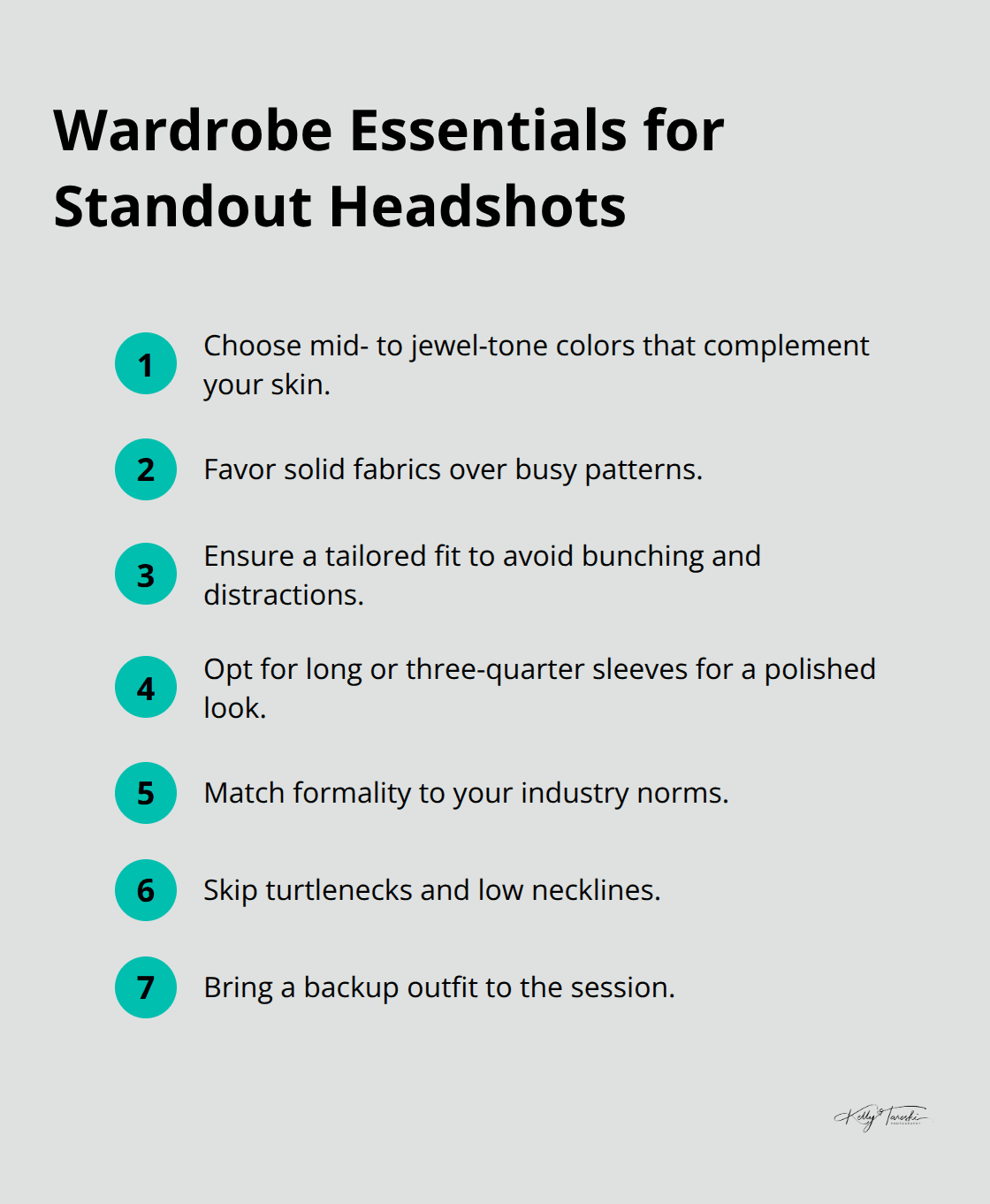
Consider what you normally wear when meeting the people who will see the photograph, then decide whether the session should match that level of formality or intentionally shift it.
Plan Hair, Grooming, and Makeup Around Your Usual Presentation
Schedule hair or grooming appointments at whatever interval gives you a look you recognize and feel comfortable wearing. There is no universal number of days that works for every haircut or style. For makeup, use the finish, color, and level of definition that fits the look you want and feels familiar to you. Matte, natural, luminous, subtle, and more dramatic styles can all photograph well when they are planned with the lighting and overall portrait style. If shine control matters to you, powder or blotting products can be used selectively regardless of gender.
Pre-Session Research and Communication
Research your photographer’s portfolio to understand their style and approach. Studio lighting, natural light, and mixed-light approaches can all create strong professional portraits when they fit the intended look. Discuss your vision and intended use for the headshots during your consultation. Different roles and audiences may call for different levels of formality, environment, expression, and styling. This preparation helps your photographer capture images that align with your professional goals and personal brand. Once you nail these preparation elements, the real magic happens when you step in front of the camera and focus on authentic expression techniques.
How Do You Express Authenticity During the Shoot
Expression, posture, eye contact, and movement all change how a headshot feels. A session can include direct camera-aware portraits, quieter expressions, conversation, and moments between more structured poses. The goal is useful variety that fits the role and intended use, not proving that one expression is more authentic or professionally successful than another.
Use a Simple Reset If It Helps
If you notice yourself holding tension, use whatever ordinary reset already feels natural to you: pause, change posture, move your shoulders, take a normal breath, or ask for a short break.
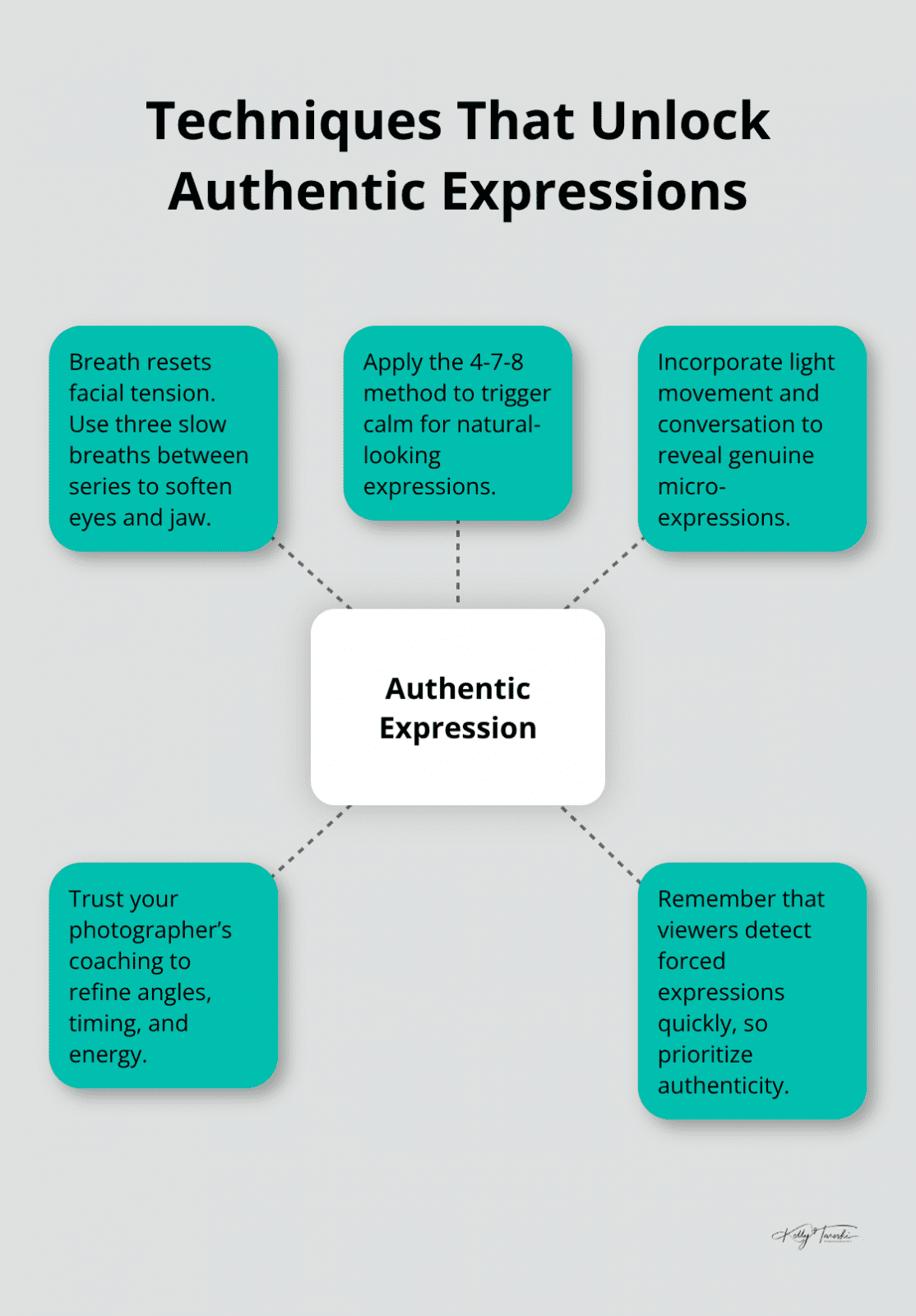
A photography article does not need to prescribe a breathing technique or nervous-system response to create a natural-looking headshot.
Use Movement When It Fits the Portrait
Movement can add useful variety to a headshot session, but a still, camera-aware pose can also work well. Instead, engage in light conversation with your photographer while they capture images. Laugh at genuine moments, shift your weight slightly, and move your hands naturally. Conversation and small posture changes can create additional options when that suits the person and intended use. Turn your head slightly between shots, adjust your posture, and let your photographer guide you through natural movements that create dynamic, engaging images.
Use Photographer Direction Without Forcing Expression
A headshot photographer can give direction for posture, hands, gaze, expression, and small movements while adjusting lighting, camera position, and timing. Those cues can be adapted to the role, intended use, and way you want to be represented. Clear communication with your photographer can make the collaboration easier, so ask questions, request another variation, or say when a pose or expression does not fit what you want.
The goal is not a perfect or universally authentic expression. It is a range of professionally made options that fit the role, audience, and way you want to present yourself.
What Can Make a Professional Headshot Feel Less Natural
A professional headshot does not need one corporate pose or one expression. Some roles call for a formal, camera-aware portrait while others allow a more relaxed style. The useful goal is to create enough variation in posture and expression that the final image feels appropriate for the role and recognizable as the person being photographed.
Do Not Rely on One Corporate Pose
A professional headshot can be formal, relaxed, camera-aware, environmental, or more stylized depending on the role and audience.
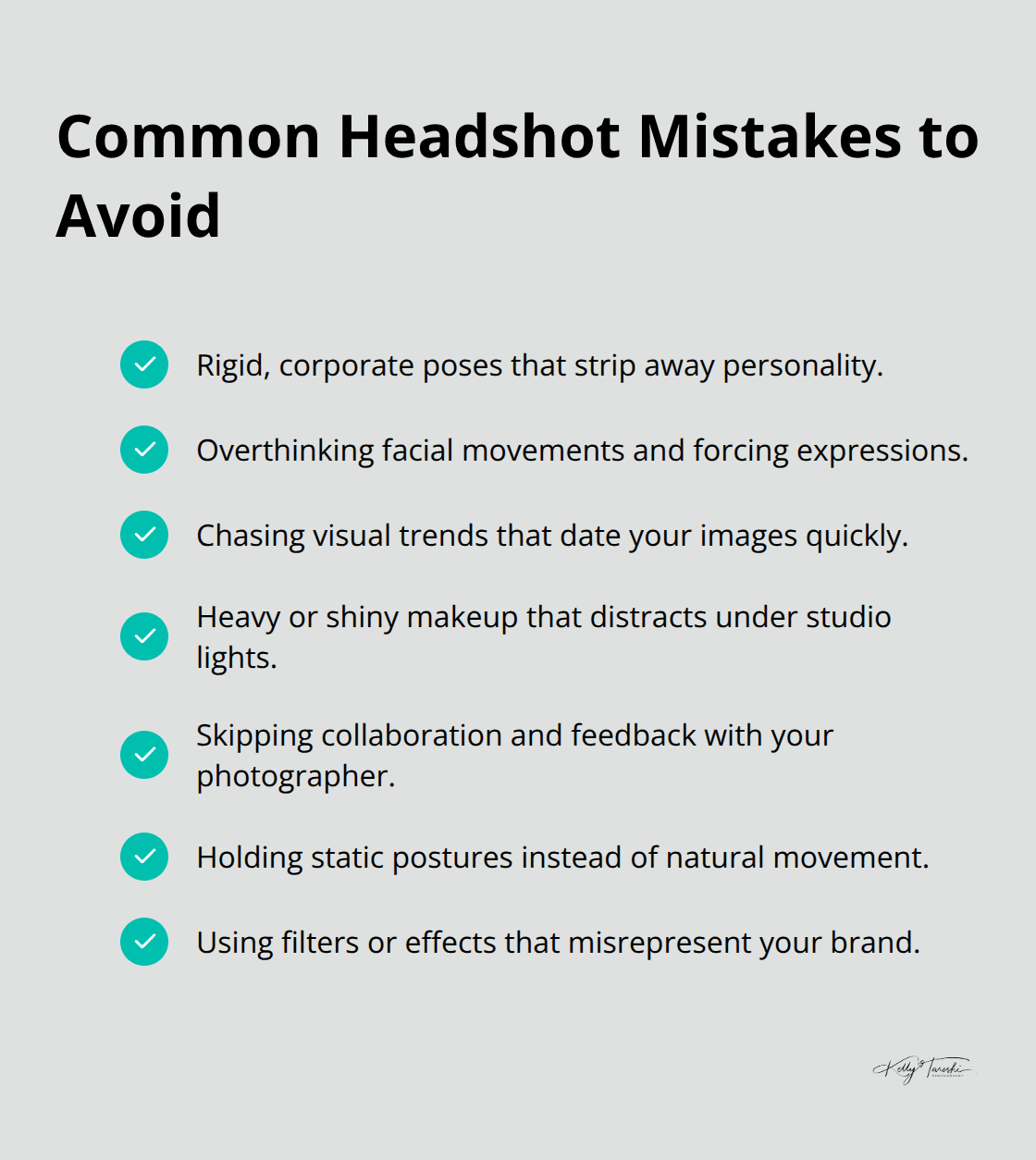
Instead of using one prescribed stance for every profession, vary shoulders, hands, seating, expression, and camera angle to create options that fit the individual.
Let the Photographer Handle the Technical Decisions
You do not need to monitor every facial movement during a headshot session. Follow the photographer’s direction, ask questions when something feels unclear, and let expressions change between frames. Some clients prefer conversation or movement while others prefer concise, quiet direction. Both approaches can produce professional portraits.
Use Trends Deliberately
Headshot style should reflect how you want to be presented now. Update the photograph when your appearance, role, branding, or intended use changes enough that the current image no longer represents you well. Classic, creative, formal, environmental, or more stylized approaches can all work when they fit the audience and purpose.
Final Thoughts
Brand authenticity in a headshot means the photograph feels consistent with how you actually present yourself professionally. Clothing, expression, background, crop, and lighting can support that consistency, but a headshot does not guarantee profile views, career advancement, business growth, or client trust.
A well-planned headshot can be reused across email signatures, business cards, websites, directories, and professional profiles. Its value comes from providing a current, intentional visual asset, not from a guaranteed increase in credibility, client response, or professional advancement.
Kelly Tareski Photography offers studio and on-location headshot options that can be adapted to the role, setting, wardrobe, and visual style you need. The practical value of a professional headshot is a current, intentional image you can use consistently across the places where people encounter your work.
Education Most Searched Articles
- Kelly Tareski Photography Homepage
- How to Choose Background Colors to Complement Skin Tones
- Choosing the Best Lens for Stunning Senior Portraits
- 5 Tips Using the Nikon Z7ii Camera for Portrait Photography
- Exploring Spokane Through a Lens: Must-Visit Photo Locations
- How to Choose the Best Lenses for Senior Portraits
- When to Use a Neutral Background in Photography
- Top Posing Ideas for Solo Portraits: Looking Confident and Natural
- The Economy and Photography
- How the Economy Impacts Photography
- How to Weather Economic Slumps as a Photographer
- Finding Creative Ways to Promote Your Photography on a Budget
- Free and Low-Cost Resources for Photographers