
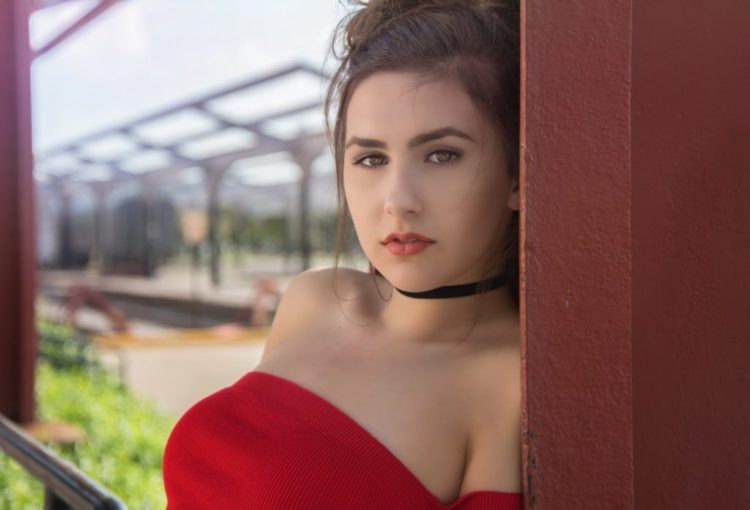
How to Take Professional Senior Photos That Stand Out
Senior year marks a milestone worth celebrating with portraits that capture who you are at this point in your life. Professional senior photos stand out because the photographer brings together experience, lighting, composition, posing guidance, and an understanding of the person in front of the camera.
At Kelly Tareski Photography, our goal is not to impress you with camera specifications. It is to use professional tools and experience to create portraits that feel polished, personal, and comfortable from start to finish.
What Professional Equipment Contributes to Senior Photos
Professional equipment gives a photographer flexibility to work in different lighting, create a variety of perspectives, and produce files suitable for finished portrait products. Different cameras and lenses can all create beautiful results when they are used intentionally. What matters to you as the client is the photographer’s ability to choose the right tool for the setting and the look you want.
Camera Settings Should Serve the Portrait
There is no single camera setting that guarantees a professional senior portrait. Exposure, focus, depth of field, and shutter speed all change with the light, movement, location, and creative goal. An experienced photographer makes those technical decisions in the background so you can stay focused on the session itself.
Professional Tools Provide Flexibility
Lighting tools, backup equipment, and a range of lenses help a photographer adapt when conditions change. That flexibility matters whether the session moves from a studio to a garden, from open shade to brighter light, or from a full-length portrait to a tight headshot.
Different Lenses Create Different Looks
Lens choice affects how much of the environment appears in the frame, how close the portrait feels, and how the background is rendered. Rather than treating one focal length as the universal best choice, we select the perspective that supports the portrait we are creating.
These technical foundations set the stage for the creative elements that truly make senior portraits memorable and unique.
Creative Posing and Composition
Professional senior portraits should include enough variety to feel complete without forcing you through a list of unnatural poses. We begin with simple guidance, learn what feels comfortable for you, and build from there. A mix of close portraits, full-length images, seated poses, and environmental photographs helps the final collection feel varied while still telling one story.
Movement Creates Authentic Energy
Movement can help you relax and create expressions that feel less posed. Walking, turning, adjusting a jacket, interacting with a prop, or simply shifting your weight can all create natural transitions between portraits. Your photographer should guide that movement rather than expect you to arrive knowing what to do.
Composition Keeps the Focus on You
Paths, fences, architecture, trees, and open space can all help shape a portrait when they are used intentionally. Composition techniques give the photographer different ways to frame you while keeping the environment supportive rather than distracting.
Props Can Reflect Genuine Personality
Meaningful items such as musical instruments, sports equipment, art supplies, vehicles, or a varsity jacket can add personality when they are genuinely part of your life. We incorporate them naturally so they support the portrait instead of feeling like accessories added only for the camera.
These composition and posing foundations work hand-in-hand with proper lighting techniques to create portraits that truly stand out from typical senior photos.
Lighting Strategies for Stunning Senior Portraits
Lighting shapes the mood of a portrait, but there is no single time of day or lighting setup that every senior session requires. Soft outdoor light, open shade, directional sunlight, and controlled studio lighting can all create beautiful results when they are matched to the location and the look you want.
Natural Light Changes Throughout the Day
Morning, midday, late-afternoon, and evening light each create different opportunities. Rather than relying on a rigid golden-hour formula, we consider the season, weather, background, and direction of the light when planning outdoor portraits. That flexibility is especially useful in the Spokane and Nine Mile Falls area, where conditions can change quickly.
Lighting Tools Help Balance Difficult Conditions
Reflectors, diffusion, flash, and other lighting tools can help balance shadows or shape the light when natural conditions need support. These are technical decisions your photographer handles during the session, not details you need to manage as the client.
Studio Lighting Provides Consistency
Indoor studio lighting gives us another layer of control over direction, softness, contrast, and background. That makes studio portraits a strong option year-round and gives us a reliable alternative when outdoor weather is not cooperating. The goal is not to imitate one specific type of light, but to create professional results that fit the portrait.
Final Thoughts
Professional senior photos come from the combination of technical skill, creative judgment, thoughtful planning, and a genuine connection with the senior being photographed. Equipment and lighting matter, but they are tools used to support the person and the story rather than a formula that guarantees a great portrait.
As a client, you should not have to think about camera settings, reflector distances, or which lens is being used. Your job is to bring your personality, interests, and ideas. Your photographer’s job is to turn those pieces into a cohesive set of portraits and guide you throughout the process.
At Kelly Tareski Photography, we combine professional tools with guided posing and personalized planning to create professional senior photos that reflect each graduate’s personality during this important transition.
Senior Portrait Most Searched Articles
- Kelly Tareski Photography Homepage
- Senior Portraits Portfolio
- Senior Portraits Spokane WA A Rite Of Passage
- The Difference Between Graduation Photos and Senior Pictures
- 10 Senior Portrait and Photography Styles
- Are Senior Portraits Still a Thing?
- Capturing Natural Senior Portraits: Barefoot Edition
- Looking Back – The Last Three Years of Senior Portraits – Spokane
- Fine Art Senior Portrait Photography Style Spokane Washington
- How Much Do Senior Pictures Cost?