

The Black and White Boudoir Photography Style
Read the parent article "20 Styles of Boudoir Photography"
What Is Black and White Boudoir Photography?
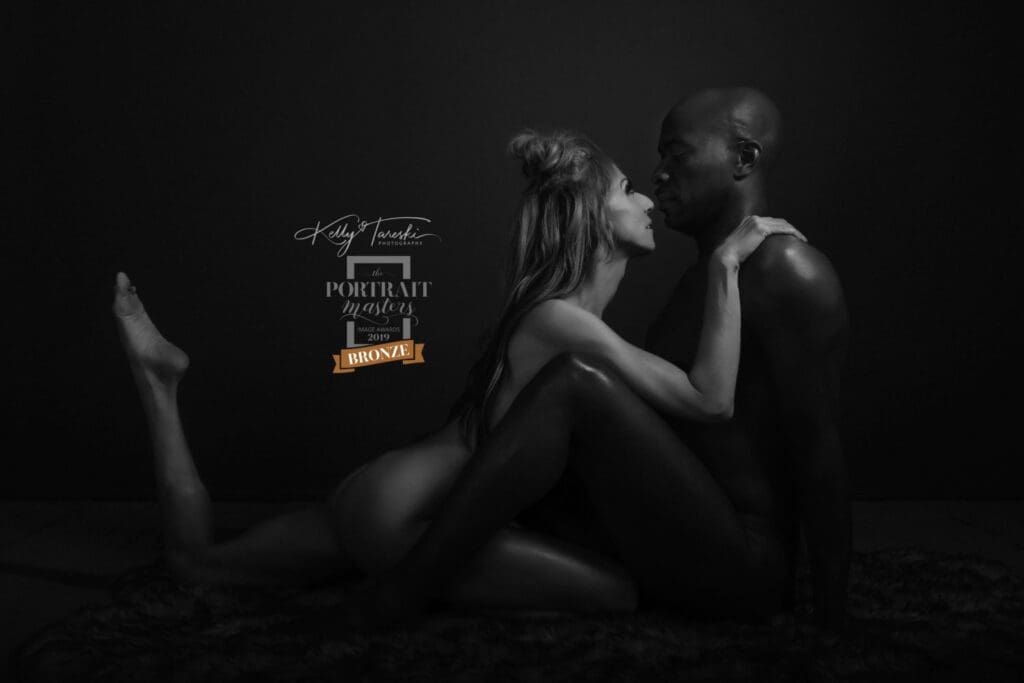
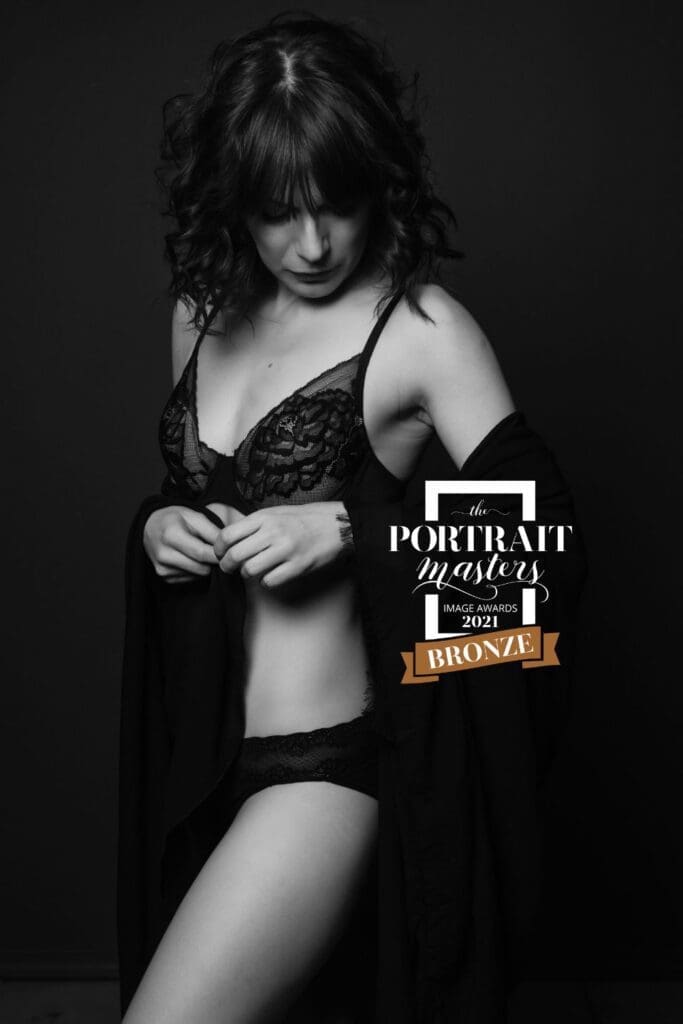
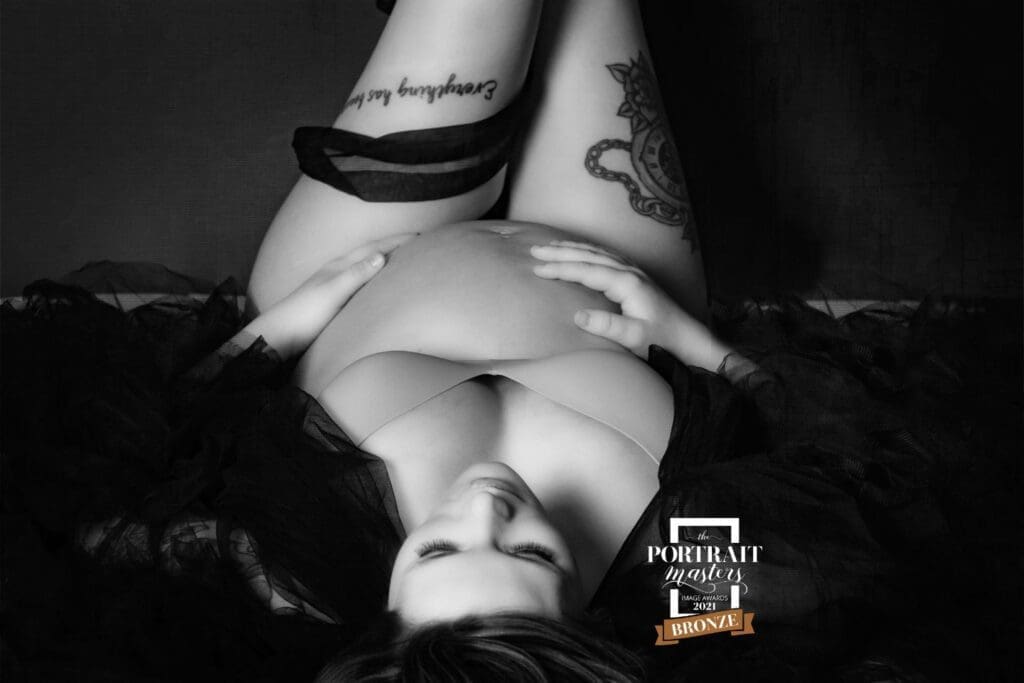
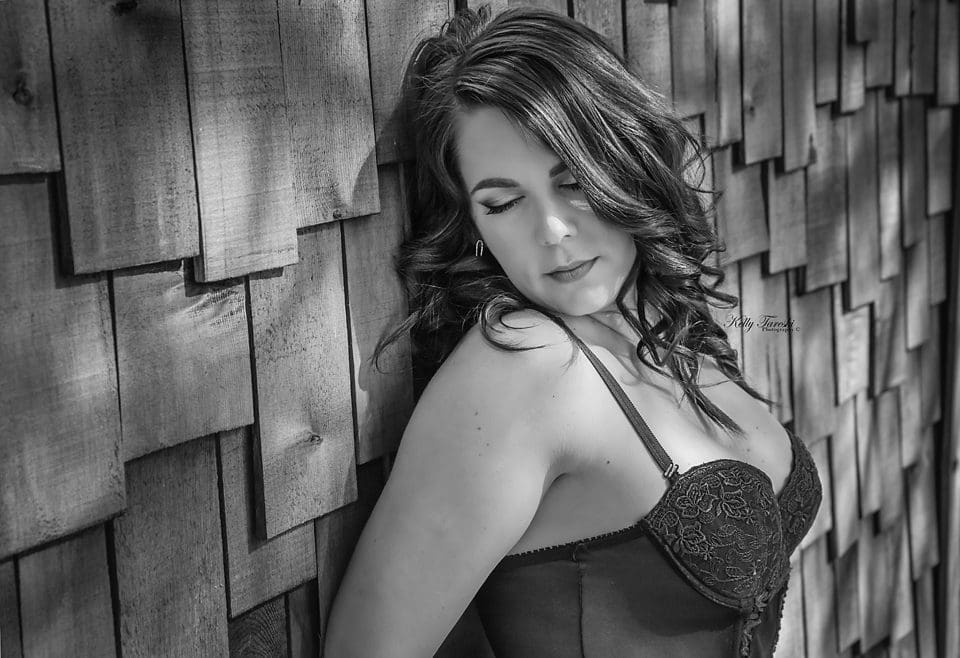
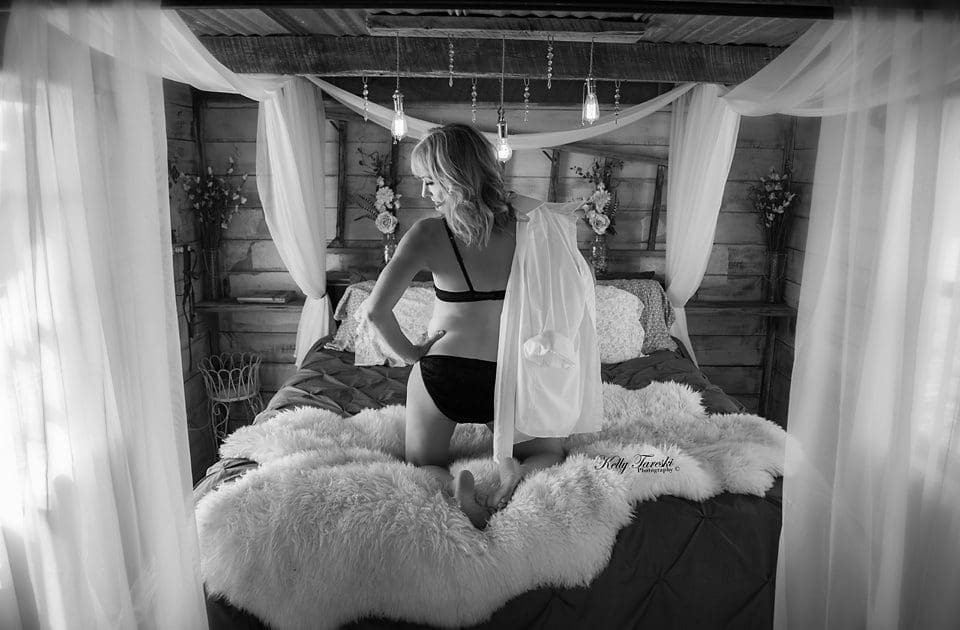
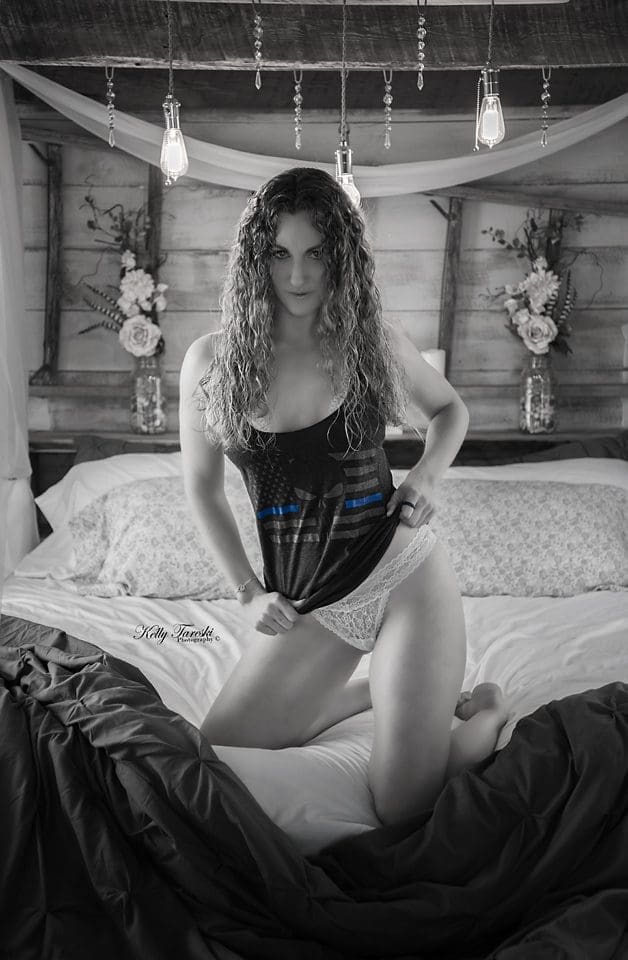
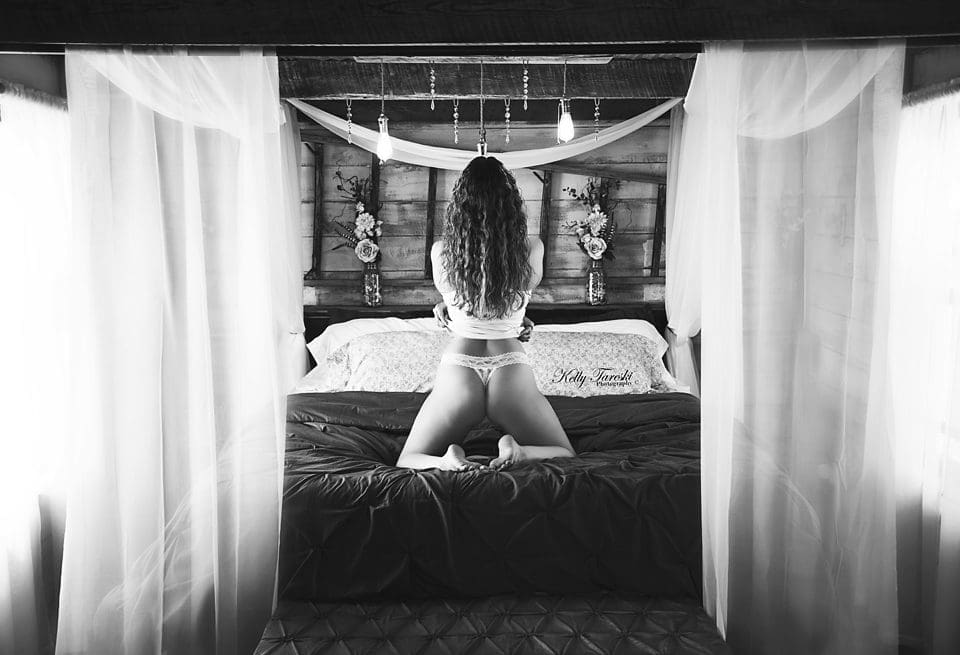
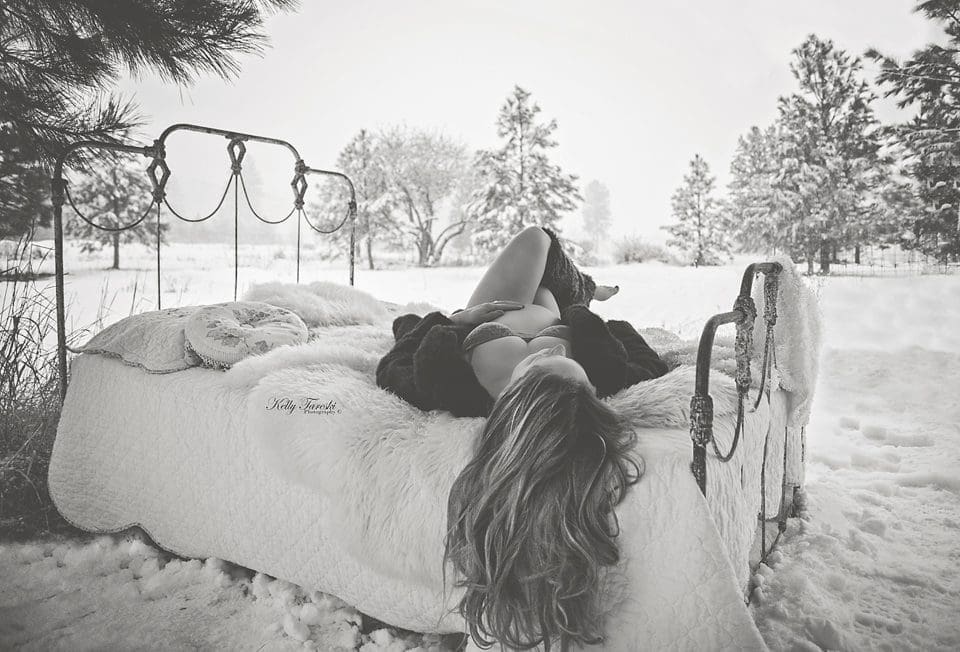
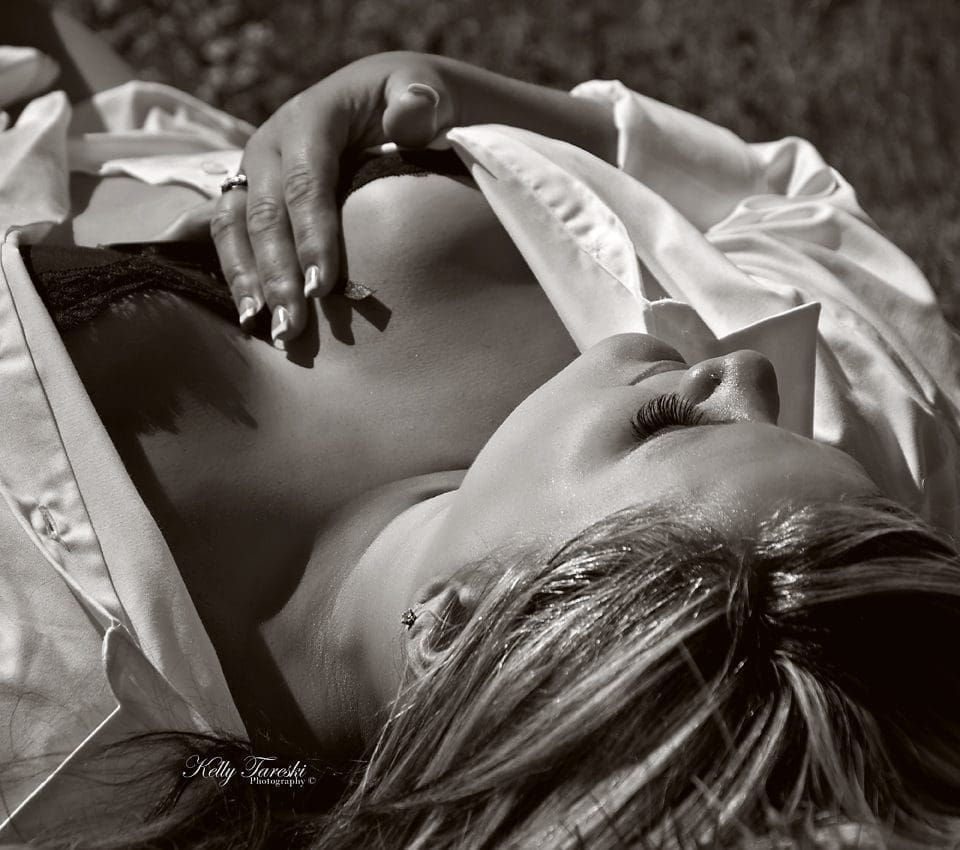
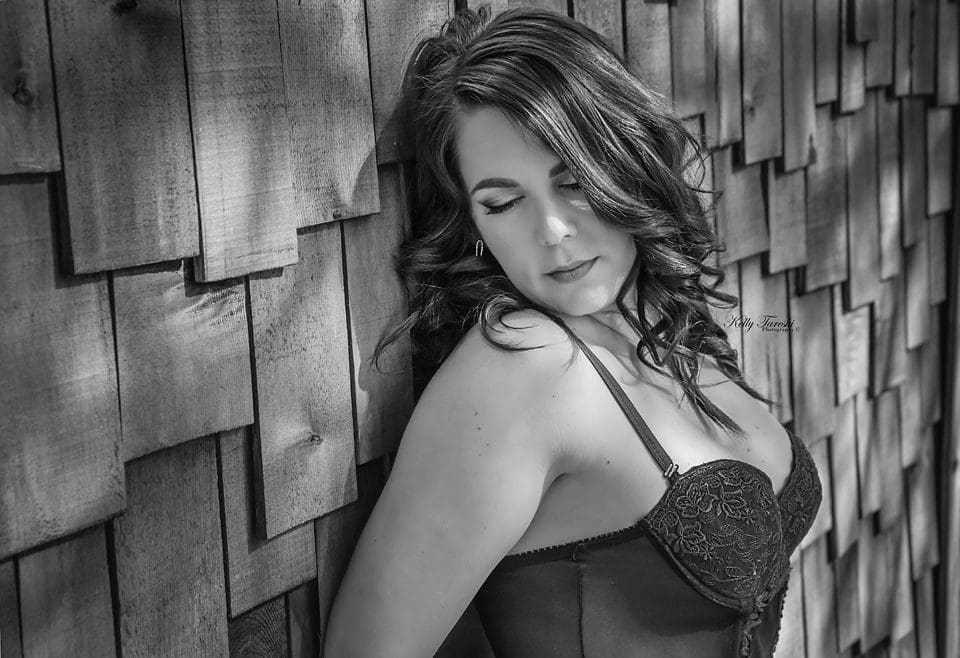
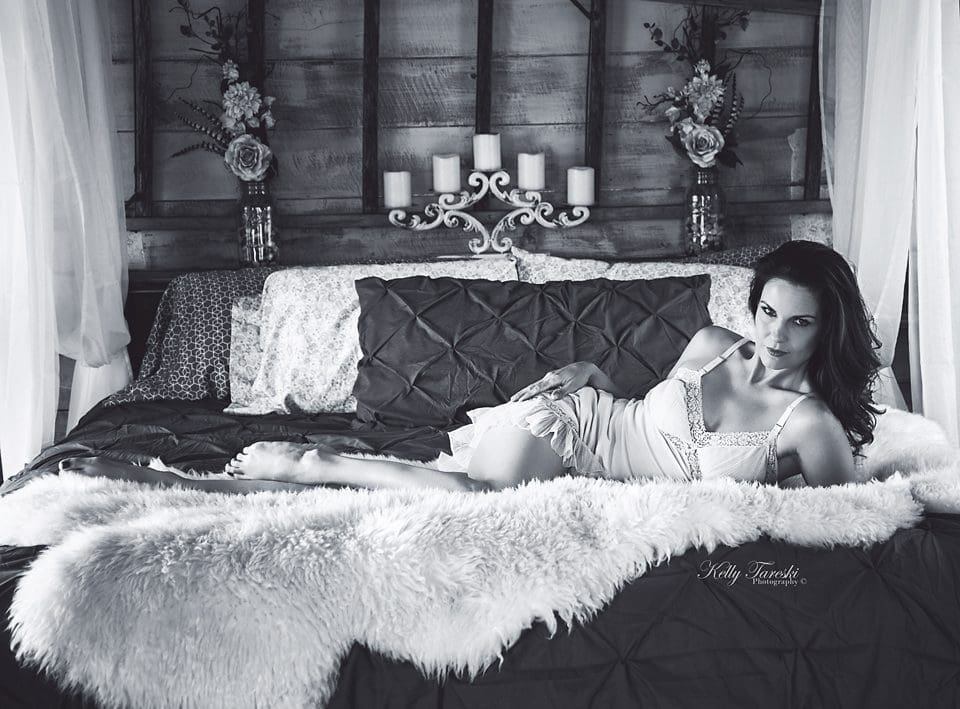
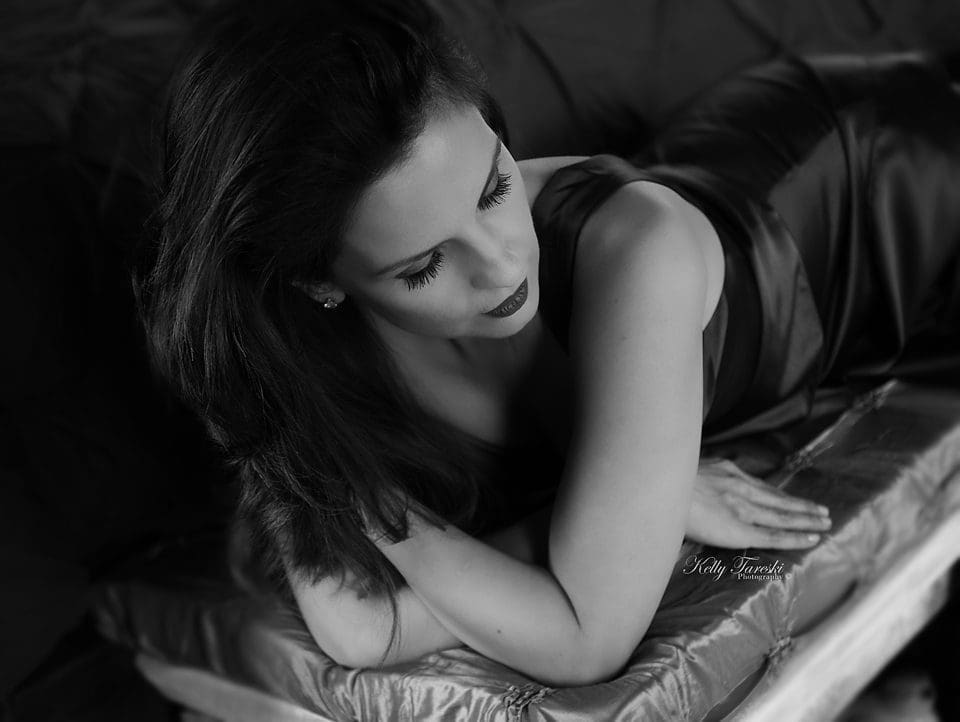
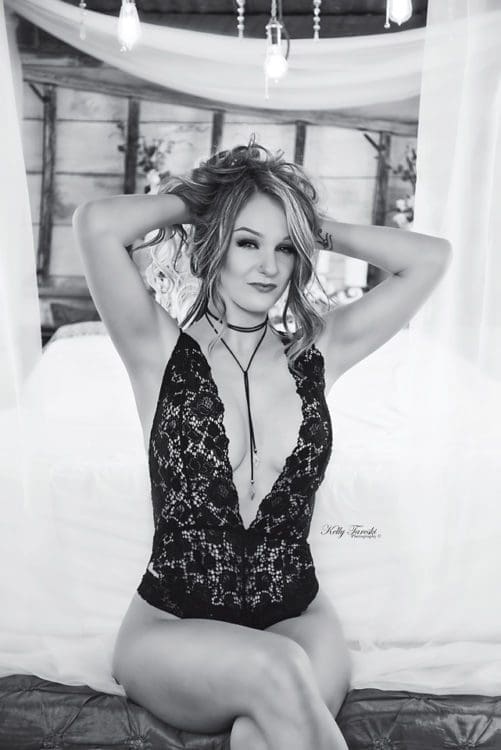
Black and white boudoir photography is intimate portraiture presented without color so that light, shadow, contrast, shape, texture, expression, and composition carry more of the visual weight. The photographs may be soft and low-contrast, bold and dramatic, bright, dark, grainy, clean, classic, editorial, or fine art.
Black and white is a visual treatment, not a requirement that a boudoir session be more revealing or dramatic. The same session can include both color and monochrome photographs, and the adult client can choose wardrobe, coverage, posing boundaries, privacy, and image-sharing preferences independently of the final color treatment.
Why Choose Black and White for Boudoir Portraits?
- Emphasis on light and shadow: Removing color can make tonal contrast and lighting direction more noticeable.
- Reduced color distraction: Busy background colors, mixed fabrics, or competing hues may become less dominant in monochrome.
- Texture and shape: Fabric, skin texture, architecture, silhouettes, and negative space can become stronger compositional elements.
- Flexible mood: Black and white can support a soft, graphic, dramatic, minimal, glamorous, or documentary look depending on how the image is lit and edited.
Black and white does not automatically make a photograph better. Some images depend on wardrobe color, skin-tone relationships, environmental color, or other details that may work better in the color version.
How Do Lighting and Contrast Affect Black and White Boudoir?
Lighting determines how tones separate once color is removed. Soft light can produce gradual transitions and lower contrast. Harder or more directional light can create stronger edges, deeper shadows, and more graphic shapes. Window light, studio flash, continuous light, silhouettes, rim light, or mixed approaches can all work.
Exposure should be planned for the detail you want to keep in highlights and shadows. A dark photograph does not automatically need blocked shadows, and a bright photograph does not require blown highlights. The lighting should support the intended mood and the amount of detail you want in the final image.
What Backgrounds and Props Work Well?
Simple walls, bedding, textured fabric, studio paper, architectural details, furniture, mirrors, or darker sets can all work in black and white. Think about tonal separation rather than color alone. A wardrobe item and background that look different in color may reproduce as similar shades of gray, while two different colors may create strong tonal separation.
Props are optional. Use them when they add shape, context, texture, or meaning rather than because a boudoir photograph is expected to include them.
How Are Posing, Comfort, and Privacy Handled?
Black-and-white boudoir uses the same consent and boundary considerations as any intimate portrait session. Discuss wardrobe, coverage, posing limits, physical limitations, who will be present, image sharing, and privacy before the session begins.
Posing can be direct to camera, seated, standing, reclining, moving, silhouetted, tightly cropped, or more abstract. A photographer can direct posture, hands, gaze, body angle, and movement, but the direction should be adapted to the client rather than aimed at one supposedly perfect or universally flattering pose.
What Should You Wear?
Wardrobe can include dresses, robes, lingerie, bodysuits, shirts, suits, hosiery, fabric, jewelry, or fully dressed looks. In a monochrome image, texture, sheen, pattern, fit, and tonal contrast may matter more than the exact color. If possible, compare wardrobe against the planned background and lighting before deciding which pieces to use.
How Is Black and White Boudoir Edited?
A strong black-and-white conversion is more than simply removing saturation. Editing may include tonal adjustments, local contrast, highlight and shadow control, black-and-white channel mixing, grain, crop, cleanup, and other finishing choices. Different conversions of the same color file can produce very different results.
Ask how much retouching is typical and whether the photographer changes body shape, preserves skin texture, removes temporary details, or offers additional retouching. Monochrome treatment should not be used to hide unclear editing policies.
How Do You Choose a Black and White Boudoir Photographer?
Review complete examples of the photographer's monochrome work rather than assuming every portfolio converts to black and white equally well. Look at shadow detail, skin tones translated into gray values, highlight control, posing, composition, consistency, privacy practices, and the amount of retouching.
If you want both color and black-and-white versions, ask whether both are included or whether the photographer chooses the final treatment. Also confirm products, digital-file delivery, image-sharing permissions, and how long galleries or files are retained.
Black and White or Color: Which Is Better for Boudoir?
Neither is universally better. Black and white can simplify color and emphasize tone, while color can preserve wardrobe, skin-tone relationships, environmental details, and a specific palette. Many sessions benefit from a mix. The strongest choice depends on the individual photograph and the visual goal.
Bottom Line
Black and white boudoir is best understood as a monochrome visual approach to intimate portraiture. Lighting, tonal contrast, background, wardrobe, posing, texture, privacy, and editing all matter more than a promise that the style will automatically feel timeless, elegant, or empowering.
Where you can book "Black and White Boudoir Photography in Spokane Washington"
Boudoir Photography Most Searched Articles
- Kelly Tareski Photography Home
- Kelly Tareski Photography Boudoir Gallery
- Boudoir Portrait Photography Spokane
- 20 Styles of Boudoir Photography
- The Couples Boudoir Photography Style
- What are Sexy Pictures? - Boudoir Photography
- Behind the Scenes of a Boudoir Photography Session
- The Outdoor Boudoir Photography Style
- The Classic Boudoir Photography Style
- What is a Boudoir Portrait
- The Black and White Boudoir Photography Style
- Why Boudoir Photography is the Ultimate Self-Love Experience