
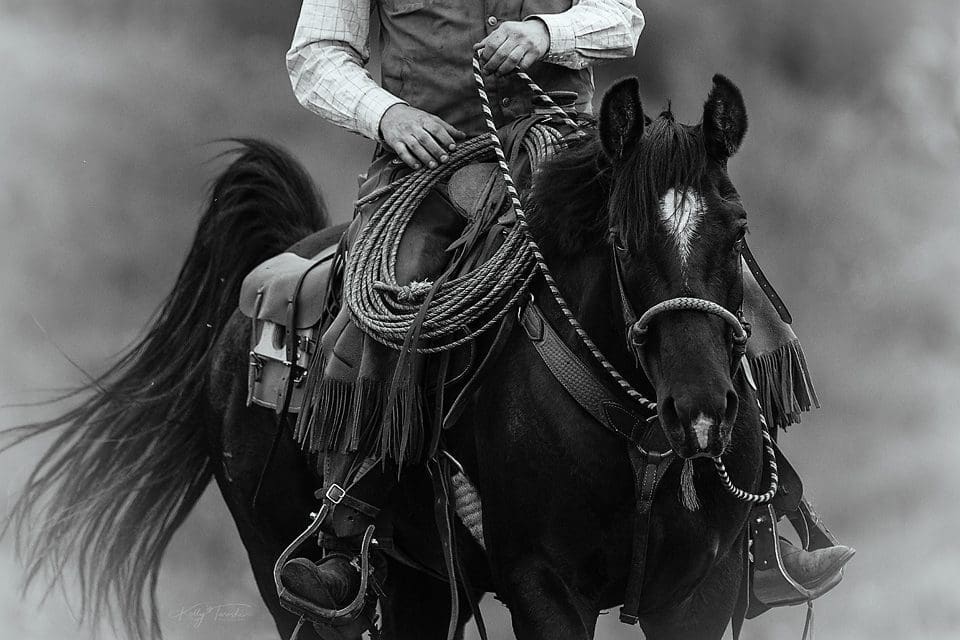
Using Photography to Tell Your Brand’s Unique Story
Quick answer: Brand-storytelling photography should show what your business does, who it serves, how the work happens, and what makes the experience recognizable. A useful image library usually combines people, process, environment, products or services, details, and a few polished portraits.
At Kelly Tareski Photography, I plan branding sessions around the real ways a business needs to communicate. See branding and headshot photography and my guide to visual consistency in branding photography.
How Visual Storytelling Transforms Your Brand
Brand images are often processed quickly, so their purpose should be clear at a glance. A useful photograph can show the person, service, environment, product, or process in a way that supports the message on the page. Professional brand photography works best when it reflects the actual business instead of relying on generic imagery.
Authentic Images Build Emotional Connections
Useful brand storytelling comes from specific, recognizable scenes rather than generic business imagery. Photograph the work itself, the environment, the people involved, meaningful details, and the way a client experiences the service. Some images can be carefully directed and others can feel more observational. The goal is a coherent visual library that supports the messages the business actually uses.
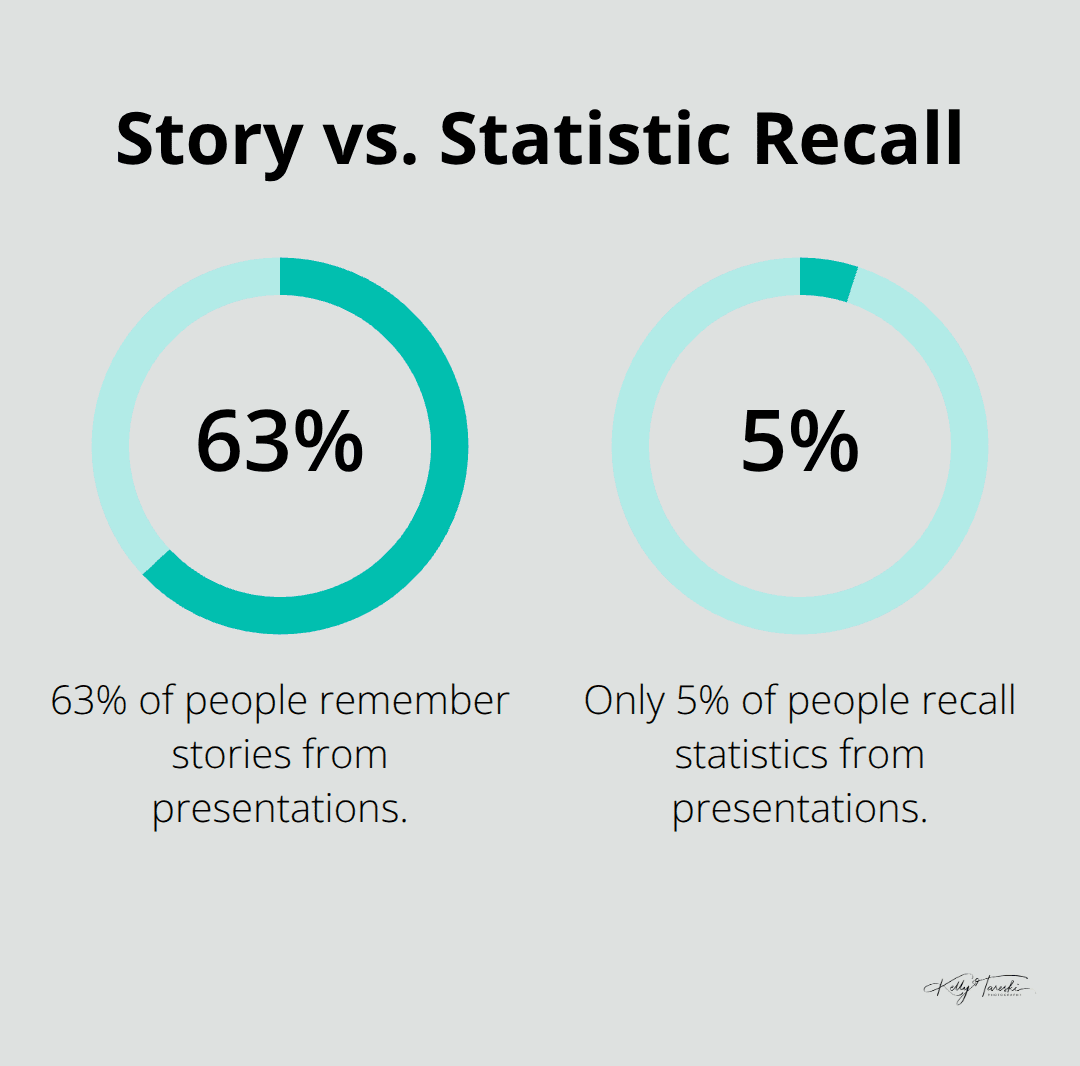
Consistent Visual Identity Across All Platforms
Visual consistency does not mean every photograph must look identical. Repeating selected choices such as color direction, lighting feel, framing, or editing can help an image library feel connected across a website, social media, marketing materials, and print. A simple style guide can be useful, but it should leave room for different crops, subjects, and business needs.
Professional Photography Establishes Market Authority
Professional images can help a business present its people, services, products, and environment with more control over light, composition, consistency, and final use. The value of professional brand photography comes from creating photographs that fit the business and the places those images need to work, not from assuming photography alone proves credibility or justifies a particular price point.
The foundation you build through visual storytelling sets the stage for the specific elements that make your brand photography truly effective.
What Makes Brand Photography Authentic
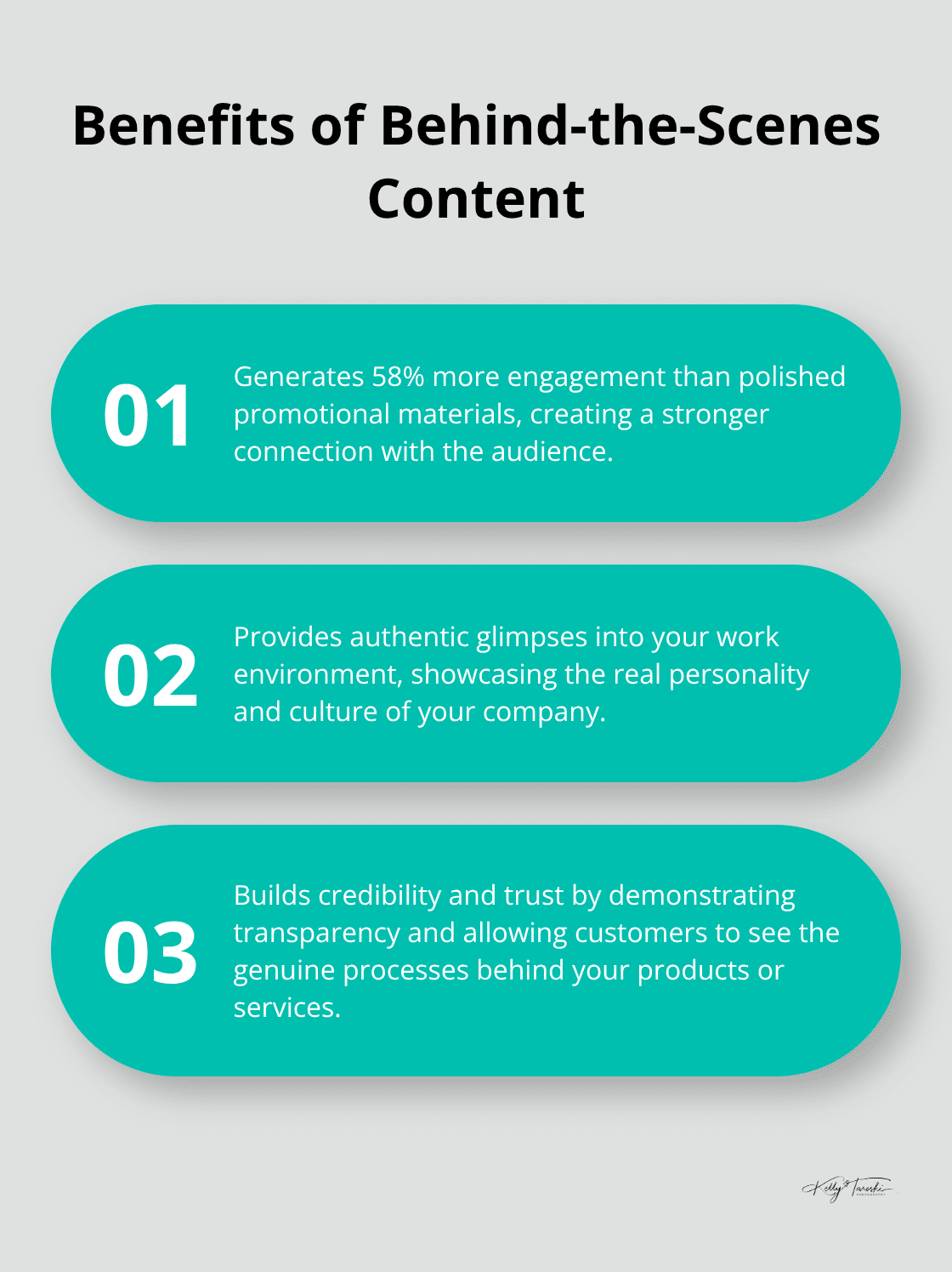
Your brand photography must capture real moments that reflect your company’s actual personality and work environment. Companies that showcase authentic workplace interactions see higher engagement on social media platforms. Skip the forced smiles and staged handshakes that scream stock photo. Instead, photograph your team during actual brainstorm sessions, client presentations, or problem-solving discussions. These genuine interactions communicate your company values more effectively than any mission statement on your website.
Document Your Team’s Natural Work Environment
Your office, workshop, retail space, jobsite, or other work environment can add useful context to a brand story. Photograph people using the tools, equipment, spaces, or processes that are genuinely part of their work. The goal is not to manufacture credibility, but to give viewers a clearer picture of what the business does and how the work happens.
Showcase Products and Services Through Real Customer Interactions
Action shots of your products in use by actual customers provide social proof that static product images cannot match. Photograph real clients as they receive your services, use your products, or benefit from your expertise. A fitness trainer who works with an actual client, a restaurant that serves food to real diners, or a consultant who presents solutions to genuine business owners creates trust that staged photography lacks. These authentic moments demonstrate the value you deliver while they build emotional connections with prospects who see themselves in similar situations.
Capture Unscripted Team Collaboration
Document your team members as they collaborate on real projects and solve actual business challenges. These candid moments reveal your company culture more effectively than formal group photos ever could. Photograph team meetings where ideas flow naturally, creative sessions where solutions emerge organically, or client calls where expertise shines through genuine conversation (rather than rehearsed presentations). The spontaneous interactions and authentic expressions that emerge during real work create compelling visual narratives that resonate with potential clients who want to work with genuine professionals.
These authentic elements form the foundation for strategic implementation that maximizes your photography investment across all business applications.
How Do You Execute Brand Photography That Drives Results
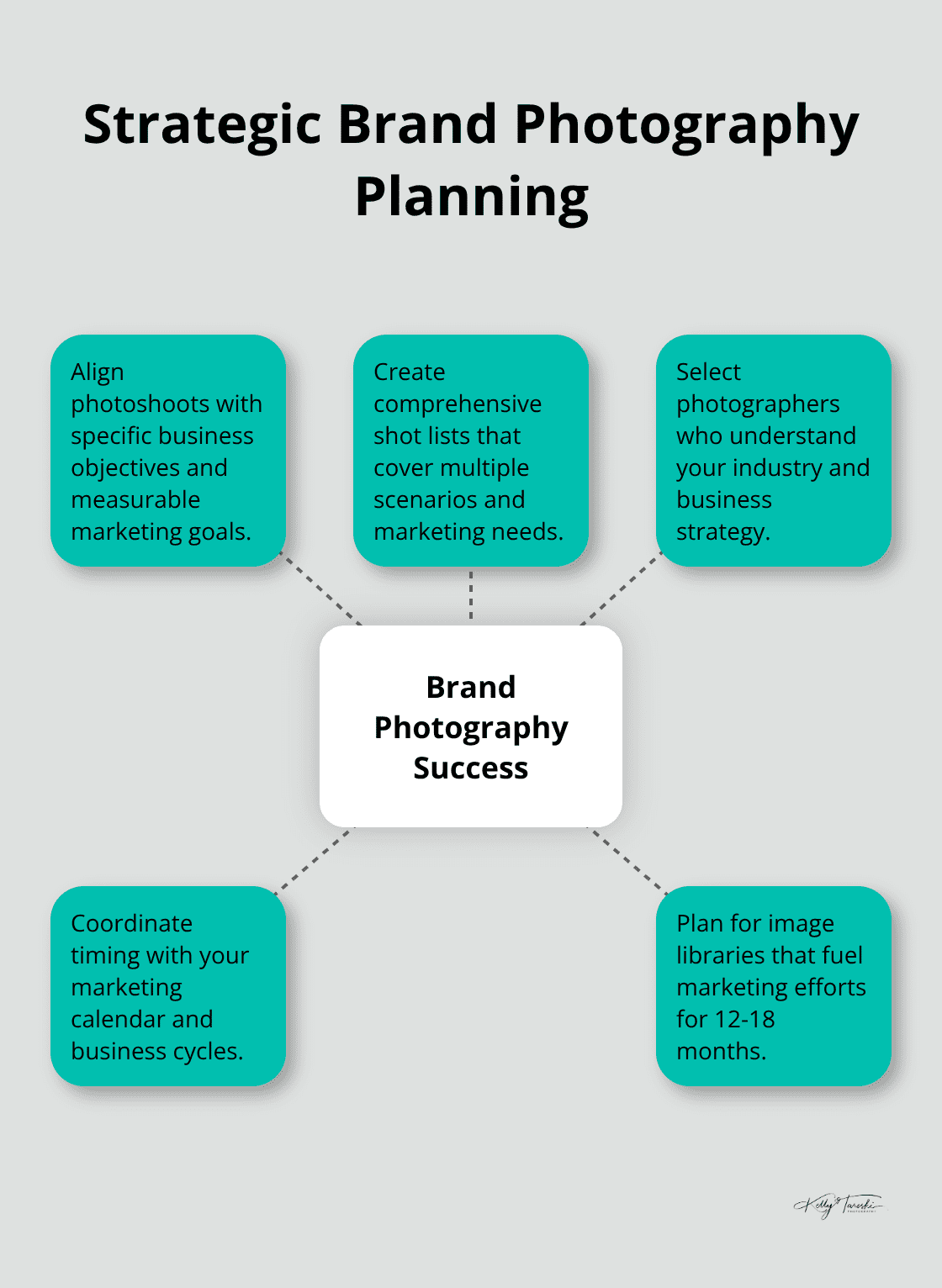
Brand photography is easier to plan when each image has a likely use. Start by identifying the channels that need visual content, such as website hero images, social posts, email graphics, sales materials, or print pieces. A shot list can then account for subject matter, orientation, negative space, cropping, and upcoming campaigns before the session begins.
Select Photographers Who Understand Business Strategy
Your photographer must grasp your industry dynamics and target audience preferences rather than simply technical camera skills. Interview potential photographers about their experience with businesses similar to yours and request portfolio samples from your specific sector. Ask candidates to explain how they would capture your unique value proposition through visual elements. Professional photographers who understand B2B marketing create images that convert prospects into customers. Skip photographers who focus only on artistic expression without considering commercial applications.
Plan Comprehensive Shot Lists for Maximum Value
A useful branding session can create a library for several kinds of marketing needs. Plan a mix of team collaboration, individual expertise, products or services, working details, and environmental images when they fit the business. Within one setup, capture horizontal, vertical, wide, medium, and tighter options so the photographs can adapt to different layouts.
Coordinate Timing with Marketing Calendar
Schedule photoshoots to align with your annual marketing calendar and business cycles. Plan shoots during peak seasons when your team demonstrates their expertise most naturally (busy periods often produce the most authentic workplace interactions). Consider quarterly shoots that capture seasonal changes in your business environment or product offerings. This systematic approach reduces photography costs per image while maintaining consistent brand messaging across all marketing channels.
Final Thoughts
Professional brand photography separates market leaders from competitors who rely on generic stock images. Your visual story becomes the factor that decides when prospects choose between similar services or products. Business storytelling through authentic photography creates emotional connections that drive purchase decisions and build customer loyalty over time.
The investment in professional brand photography pays dividends for years through increased conversion rates, higher perceived value, and stronger brand recognition. Companies that commit to consistent visual narratives see measurable improvements in website engagement, social media performance, and sales presentations. Your photography library becomes a strategic asset that supports marketing campaigns, sales efforts, and business development initiatives across multiple channels.
Start by auditing the photographs you already use and identifying the gaps in your marketing materials. You may need stronger team portraits, process images, products or services in use, working details, or environmental photographs that explain the business more clearly. Kelly Tareski Photography creates branding imagery around the people, work, and visual needs of each business.
Education Most Searched Articles
- Kelly Tareski Photography Homepage
- How to Choose Background Colors to Complement Skin Tones
- Choosing the Best Lens for Stunning Senior Portraits
- 5 Tips Using the Nikon Z7ii Camera for Portrait Photography
- Exploring Spokane Through a Lens: Must-Visit Photo Locations
- How to Choose the Best Lenses for Senior Portraits
- When to Use a Neutral Background in Photography
- Top Posing Ideas for Solo Portraits: Looking Confident and Natural
- The Economy and Photography
- How the Economy Impacts Photography
- How to Weather Economic Slumps as a Photographer
- Finding Creative Ways to Promote Your Photography on a Budget
- Free and Low-Cost Resources for Photographers