

The Outdoor Boudoir Photography Style
Read the parent article "20 Styles of Boudoir Photography"
What Is Outdoor Boudoir Photography?
Outdoor boudoir photography is intimate portraiture created outside rather than in a studio, home, or hotel setting. The environment becomes part of the visual design, so natural light, landscape, architecture, weather, temperature, privacy, and terrain all affect the session.
Outdoor boudoir does not require nudity or one particular wardrobe style. The adult client can choose the amount of coverage, posing boundaries, privacy level, and how strongly the location should appear in the photographs.
Outdoor Boudoir Photography Ideas
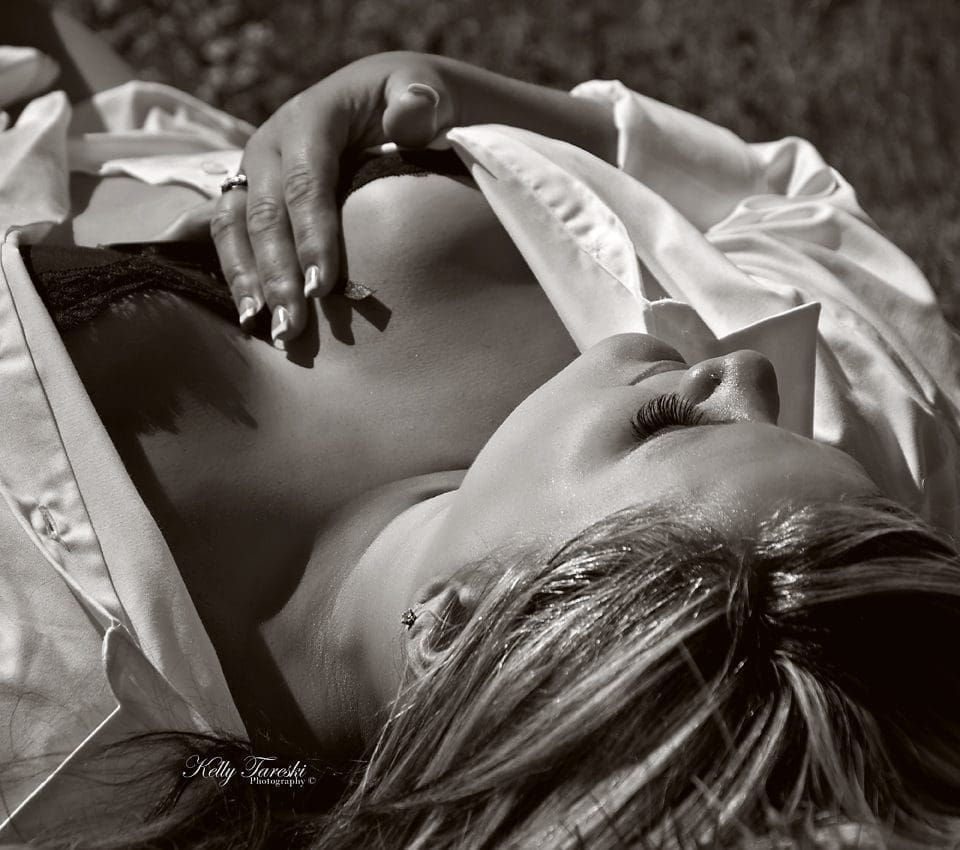
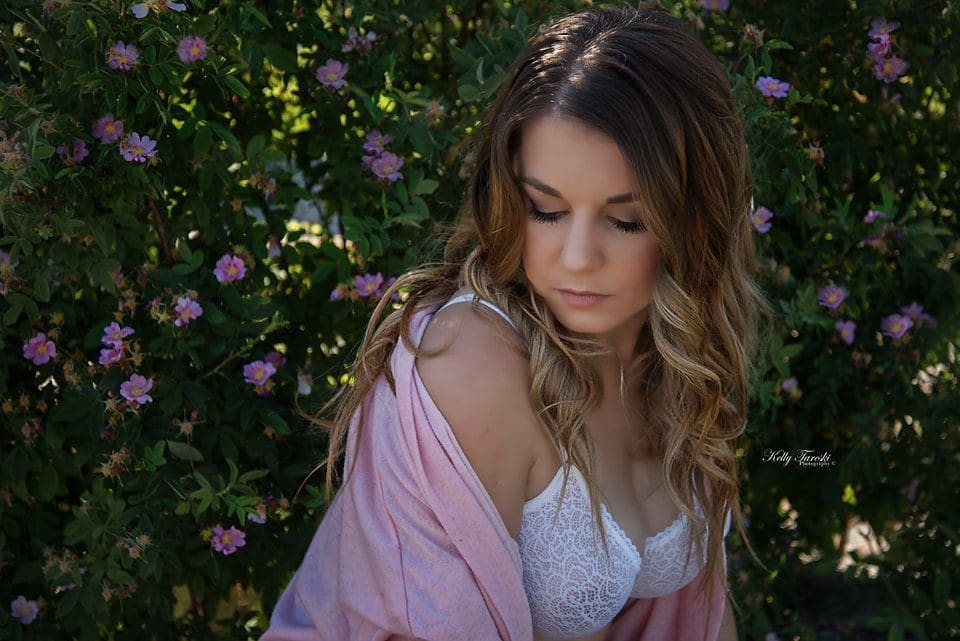
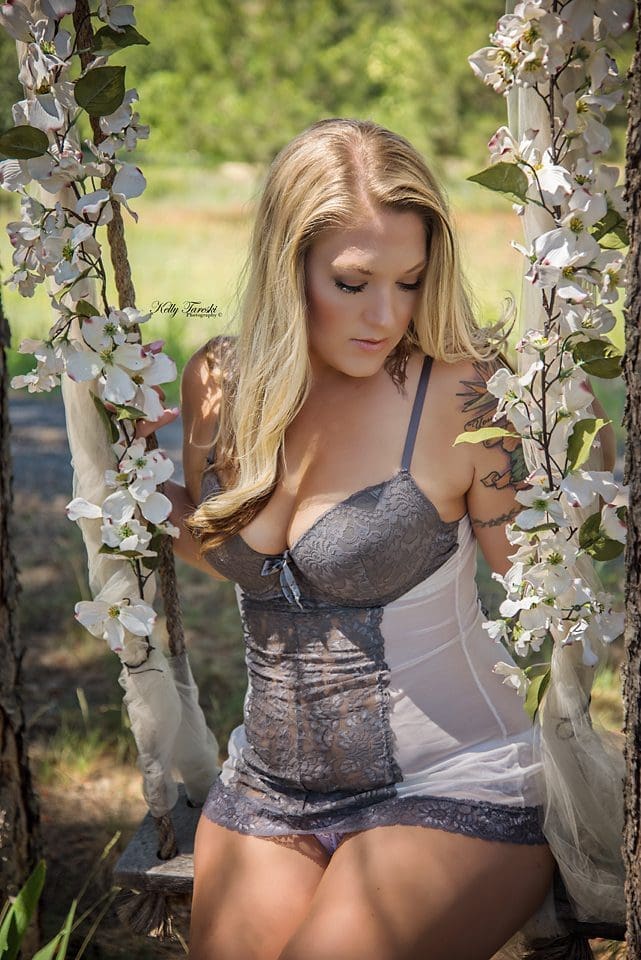
- Garden or vineyard: foliage, flowers, paths, gates, vines, and filtered light can create a softer environmental look.
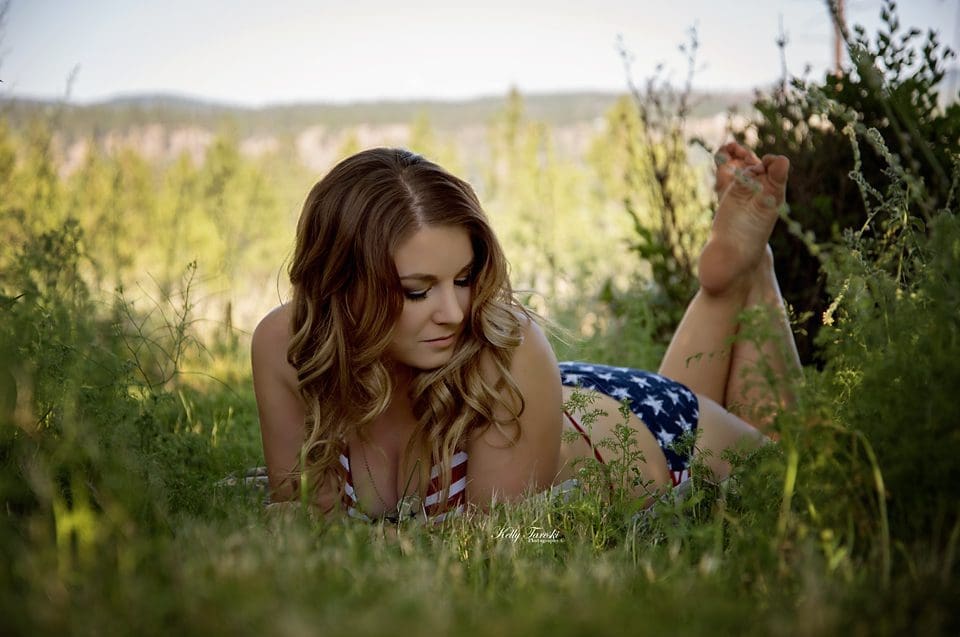
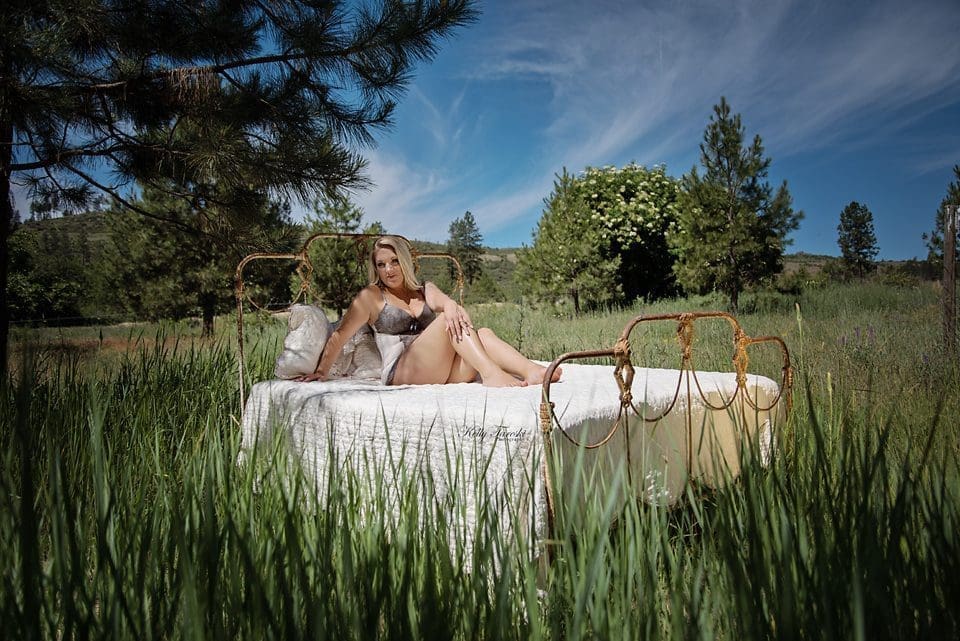
- Open field: grasses, sky, wind, and wider compositions can make the setting more visible.
- Wooded area: trees, texture, directional light, and deeper shade can create a more private or dramatic feel.
- Waterfront: lakes, rivers, or shorelines can add reflections and open backgrounds when the location is safe and permitted.
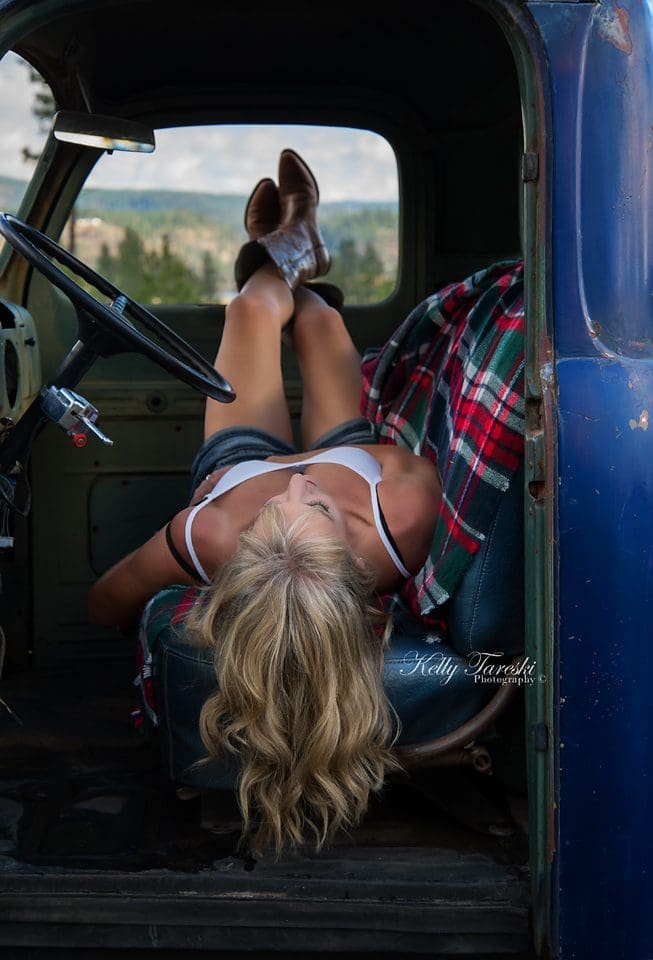
- Architectural setting: walls, doors, stairs, barns, fences, or industrial textures can create a less nature-focused outdoor look.
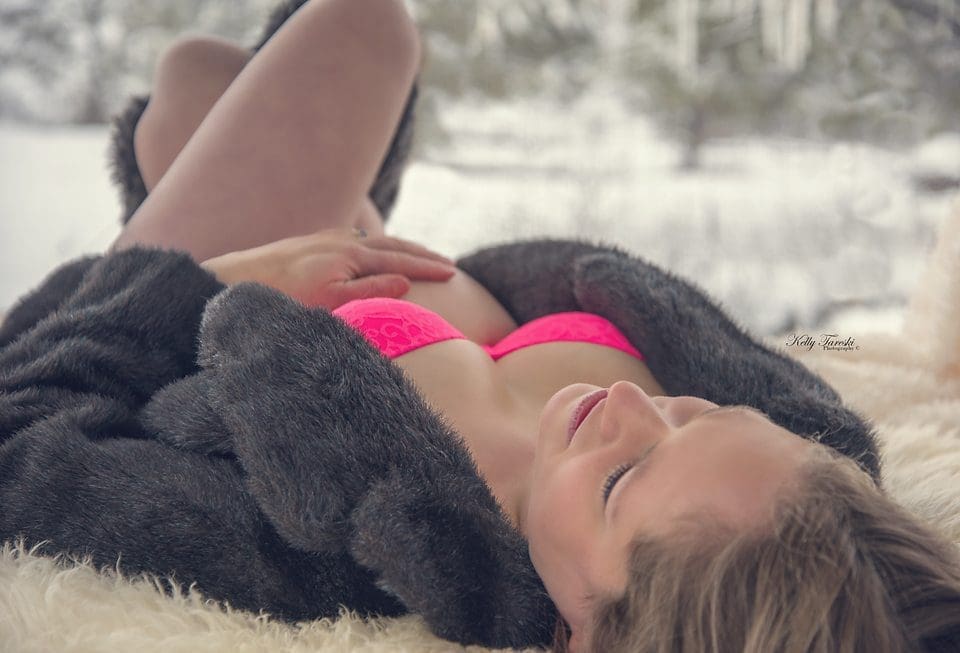
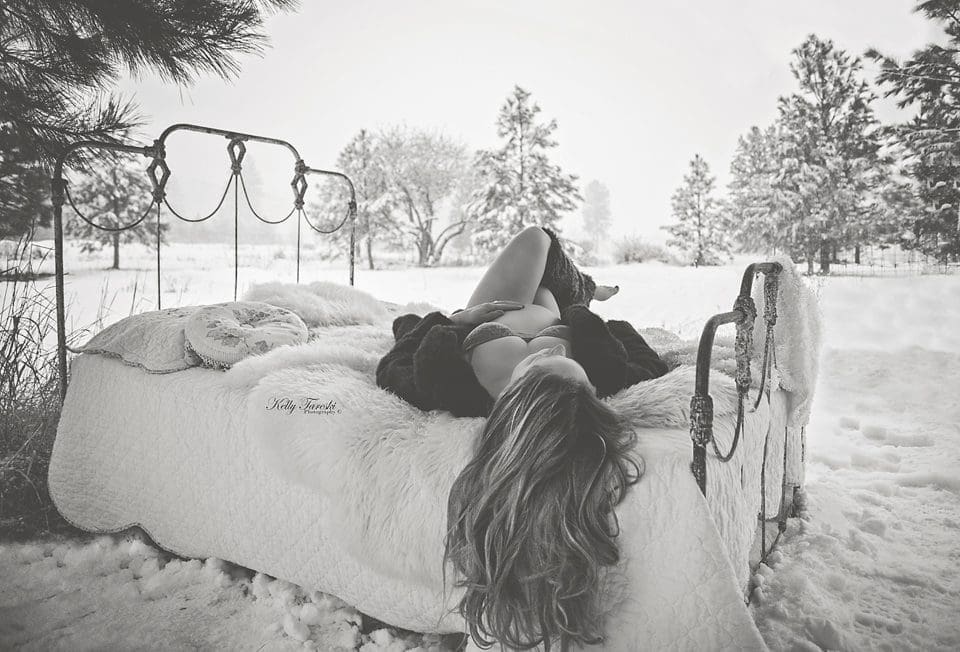
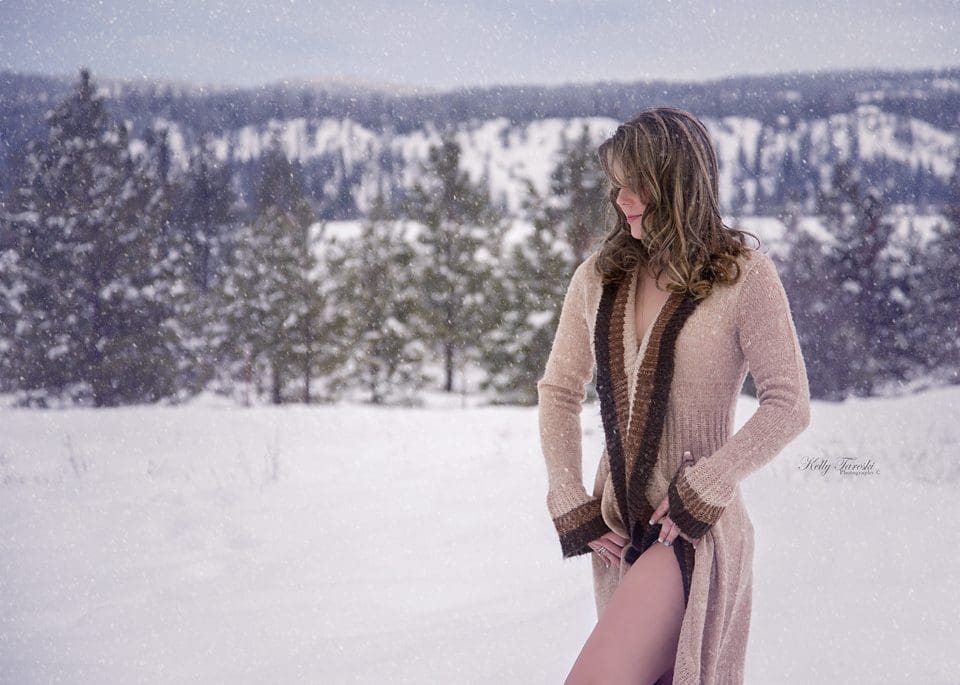
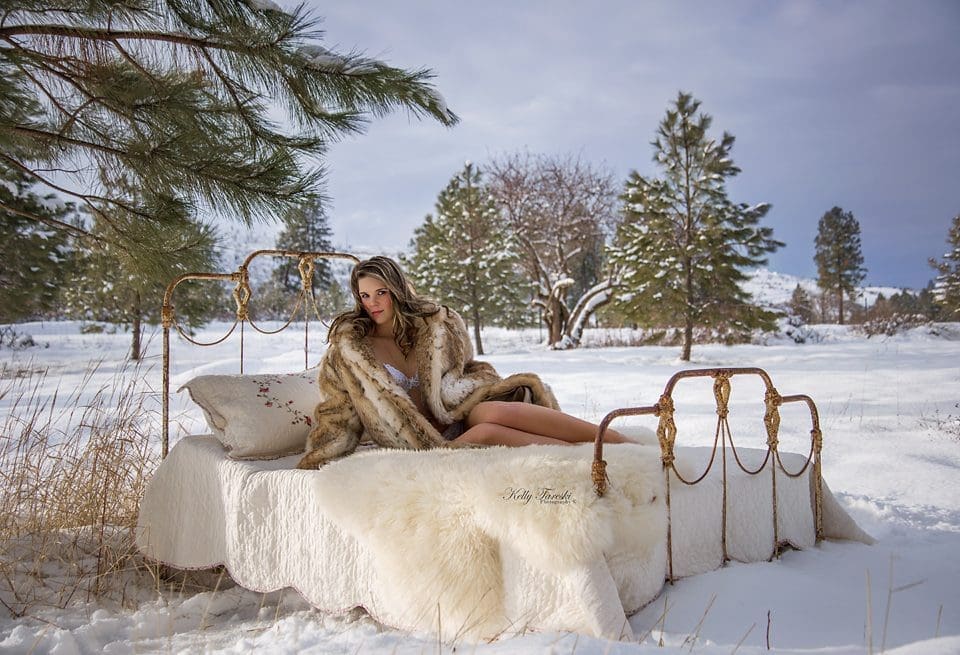
- Winter setting: snow or cold-weather landscapes can be visually distinctive, but exposure time, warm layers, footing, and client comfort need extra planning.
How Do You Choose an Outdoor Boudoir Location?
Start with privacy and permission. A beautiful public location may not be appropriate for intimate portraiture if other people are nearby, changing areas are unavailable, or photography rules restrict the session. Private property requires permission from the owner, and parks or commercial locations may have permit rules.
Then evaluate light, terrain, insects, wind, temperature, restroom access, changing options, walking distance, cell coverage, parking, and how visible the client will be from roads, trails, neighboring properties, or other public areas.
What Equipment Is Useful Outdoors?
There is no required outdoor-boudoir equipment list. A photographer may use natural light only or add flash, continuous light, reflectors, diffusers, stands, sandbags, blankets, clips, or other tools depending on the location and weather.
Safety and portability matter. Equipment should be secured in wind, and the session plan should not depend on heavy gear that cannot be used safely on the terrain.
How Do Light and Weather Affect the Session?
Outdoor light changes continuously. Sunrise and sunset can provide lower-angle light, but open shade, overcast skies, direct sun, backlight, or controlled flash can all work. The best time depends on the location, background, season, weather, and intended look rather than a universal “golden hour” rule.
Weather also affects comfort and safety. Heat, cold, smoke, rain, wind, ice, wet ground, pollen, insects, and rapid temperature changes can all alter the plan. Have a clear postponement or backup-location policy when conditions become unsafe or inconsistent with the session.
What Should You Wear for Outdoor Boudoir?
Wardrobe can include dresses, robes, bodysuits, lingerie, shirts, jackets, fabric, swimwear where appropriate, or fully dressed looks. Choose pieces for movement, coverage, temperature, terrain, and how they interact with the background.
Bring practical layers and footwear for walking between setups even if those items will not appear in the photographs. For cold-weather or winter boudoir, limit exposure time and keep warm clothing immediately available.
How Are Posing and Props Used Outdoors?
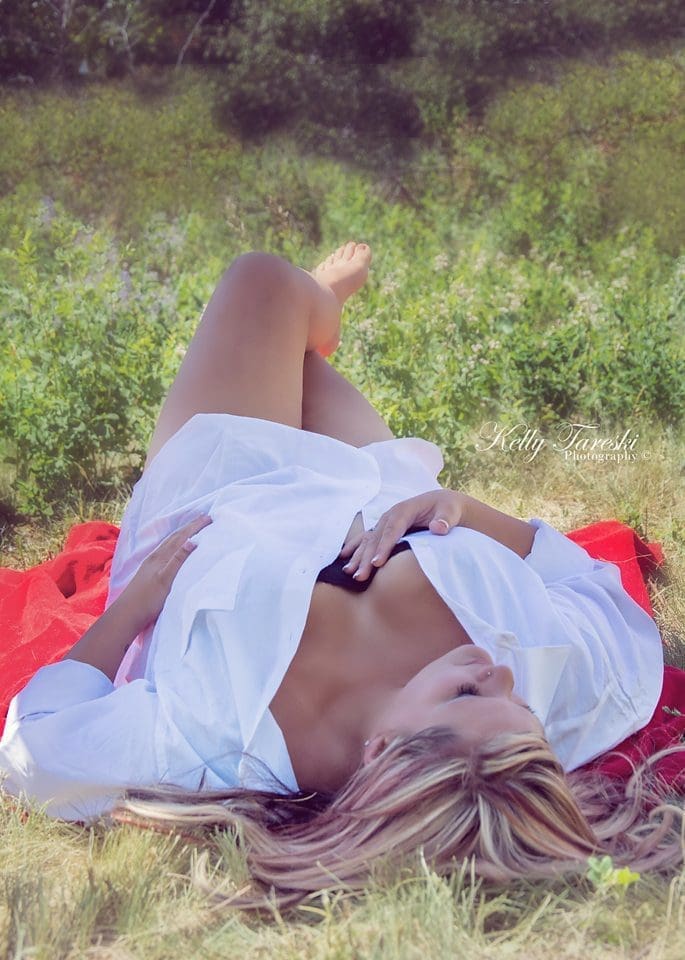
Outdoor posing can use standing, seated, reclining, movement, silhouettes, environmental portraits, close crops, or interaction with the setting. The photographer should check the surface before asking a client to sit, kneel, lie down, climb, lean, or walk barefoot.
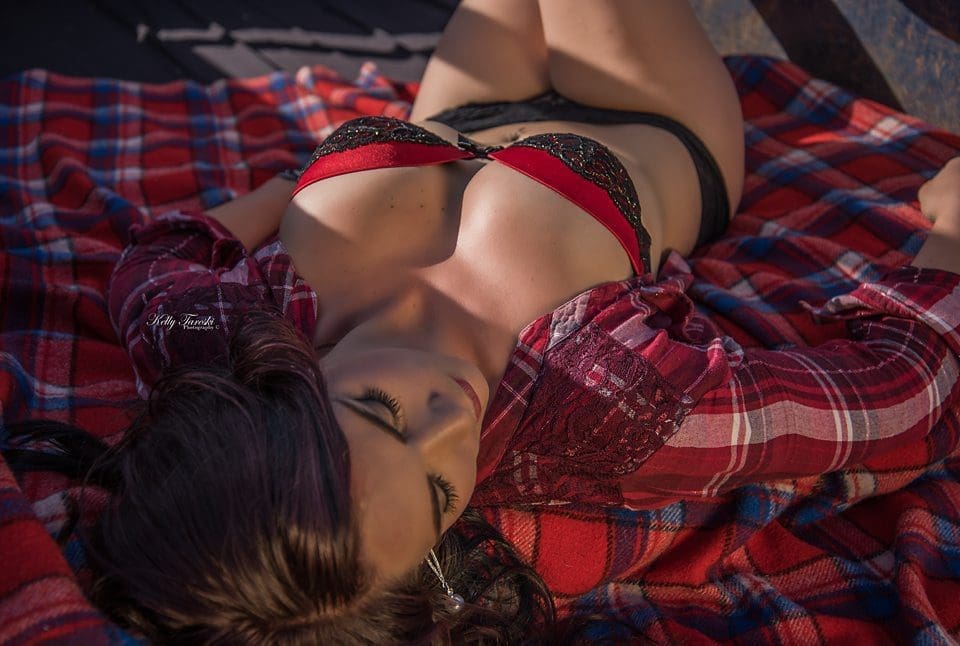
Props are optional. A blanket, chair, flowers, fabric, hat, mirror, or another item can add context, but the landscape itself may already provide enough visual information.
How Is Privacy Handled During Outdoor Boudoir?
Privacy requires more planning outdoors than in a closed studio. Discuss who may be present, where wardrobe changes will happen, how the client will be covered between setups, what happens if other people approach the area, and which poses or levels of exposure are appropriate for the location.
The client should be able to stop or change a setup if the environment becomes uncomfortable or less private than expected.
Outdoor Boudoir vs. an Indoor Session
Outdoor sessions provide environmental variety and changing natural conditions, while indoor sessions usually offer more predictable privacy, temperature, lighting control, and access to changing areas. Neither is automatically better. Some clients prefer one, while others combine both approaches across different sessions.
For a broader location comparison, see Boudoir Location Ideas: Studio, Home, Hotel, or Outdoor?
Bottom Line
Outdoor boudoir works best when the location is treated as part of the session design rather than just a backdrop. Privacy, permission, light, weather, terrain, wardrobe, safety, and client boundaries should all be planned before the camera comes out.
Where you can book "Outdoor Boudoir Photography in Spokane Washington"
Boudoir Photography Most Searched Articles
- Kelly Tareski Photography Home
- Kelly Tareski Photography Boudoir Gallery
- Boudoir Portrait Photography Spokane
- 20 Styles of Boudoir Photography
- The Couples Boudoir Photography Style
- What are Sexy Pictures? - Boudoir Photography
- Behind the Scenes of a Boudoir Photography Session
- The Outdoor Boudoir Photography Style
- The Classic Boudoir Photography Style
- What is a Boudoir Portrait
- The Black and White Boudoir Photography Style
- Why Boudoir Photography is the Ultimate Self-Love Experience