
Mastering Natural Light for Stunning Portrait Photography
Key Takeaways
- Natural light is essential in portrait photography; poor lighting choices ruin many shots.
- Golden hour offers warm, directional light; plan shoots around this time for best results.
- Use a hard light for contrast and a soft light for even illumination; adjust the subject position to control shadows.
- Backlighting adds dimension; use reflectors to fill shadows while maintaining the portrait’s natural look.
- Overcome challenges like midday sun and flat overcast light by positioning subjects strategically and controlling light quality.
Natural light is the most powerful tool in portrait photography, yet most photographers waste it. We at Kelly Tareski Photography have seen countless portraits ruined by poor lighting choices-and fixed by simple technique adjustments.
This guide covers photography education on lighting fundamentals that transform your portraits. You’ll learn how to read light, position your subject, and solve real problems you face on every shoot.
How Light Quality Shapes Your Portraits
Golden Hour Delivers Warm, Directional Light
Golden hour isn’t magic-it’s physics. About one hour before sunset, the sun sits 6 to 12 degrees above the horizon, producing light around 3000K on the color temperature scale. This warm, directional light flatters skin tones because it fills in under-eye shadows naturally and adds a gentle glow without the harshness of midday sun. The catch: golden hour only lasts 60 minutes, so you need to plan shoots around this window.
Position your subject so the warm light hits their face at a 45-degree angle rather than straight-on. This creates depth and separates them from the background more effectively than front lighting ever could. If you shoot after 6 PM, light drops to 3000 to 3500K and becomes even softer, but you’ll lose the directional modeling that makes features pop. Start shoots 90 minutes before sunset and wrap up within 30 minutes after-this gives you a predictable timeline and consistent results.
Hard Light Versus Soft Light: The Contrast That Matters
Hard light and soft light are opposites, and the difference determines whether your portrait looks flat or dimensional. Hard light comes from a small, direct source like midday sun, creating sharp shadows with high contrast ratios around 8:1. Soft light comes from diffused sources like overcast skies or open shade, reducing contrast to roughly 3:1 and wrapping around your subject evenly.
The Professional Photographers of America reports that about 73 percent of portrait bookings are lost due to harsh overhead sun, which tells you clients actively avoid midday shoots. On clear days, move into open shade about 1.5 meters inside a covered area (under an awning, at a doorway edge, or beneath a tree) and you instantly convert harsh light into soft, flattering illumination.

Backlighting Creates Separation and Dimension
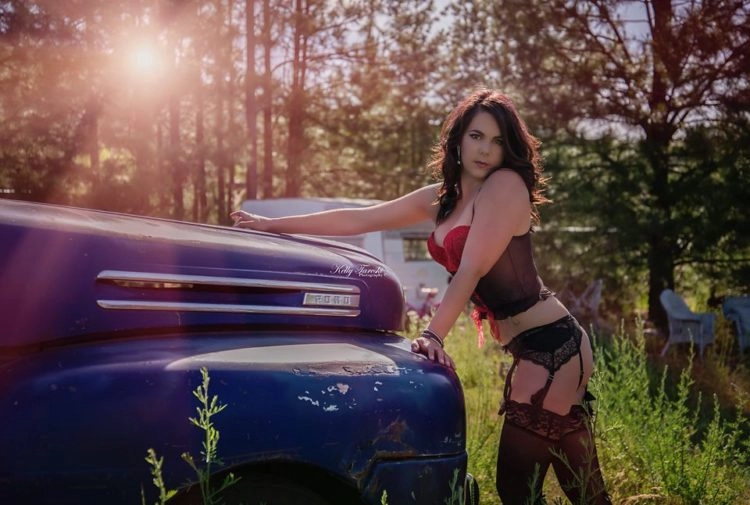
Backlighting creates separation and dimension differently from front or side light. Position the sun behind your subject’s head to create a luminous halo around their hair and edges. Expose for the face rather than the background, accepting some blown highlights where the sun appears. This technique adds separation and dimension that flat front lighting cannot deliver.
A 42-inch reflector placed 2 to 3 feet below the subject’s eye level bounces fill light onto their face, lifting shadows without flattening features. Gold reflectors add about 500K warmth, silver increases contrast, and white provides neutral fill at roughly 80 percent of available light (choose based on the mood you want). These reflector choices let you control how the light wraps around your subject and shapes the final image.

Positioning Your Subject for Maximum Impact
Front lighting works best when you need even exposure across the face, but it’s the lazy choice for portraits. Position your subject so light hits their face straight-on from the camera’s direction, and you’ll get clear features with minimal shadows under the eyes and chin. The problem: front lighting flattens the face and removes the three-dimensional quality that separates amateur snapshots from professional portraits. Front lighting only works when you’re shooting overcast conditions where diffuse light wraps naturally around the subject. On clear days, abandon front light entirely and position your subject so the light comes from the side instead.
Side Lighting Adds Structure and Drama to Every Face
Side lighting at a 45-degree angle to the camera creates natural catchlights in the eyes and adds dimension that clients notice immediately. Position the main light source to one side of your subject’s face, roughly 45 degrees from the camera position, and expose for the lit side of the face. The shadowed side reveals facial structure-cheekbones, jawline, nose shape-that disappears under flat front light. This is why professional portrait photographers almost never shoot with light coming directly from the camera. Rotate your subject’s shoulders about 45 degrees toward the main light, then turn their head slightly toward the light source. This combination creates the most flattering angle for nearly every face shape. The catchlight appears naturally in the eye closest to the light, giving the portrait life and engagement that flat lighting cannot produce. Adjust the reflector position below eye level and angle it upward to lift shadows on the opposite side of the face without creating the unflattering top-down light that ages subjects.
Window Light Provides Control Without Gear
Indoor window light offers the control you need without carrying reflectors or diffusion panels to every shoot. Place your subject near a large window with the light hitting their face at a 45-degree angle, positioning them roughly 1.5 meters from the glass. Diffuse harsh window light with sheer curtains to soften shadows and reduce contrast, matching the quality of overcast outdoor light. Window light adds dimension and texture to facial features while keeping the setup simple-just you, your subject, and natural bounce from walls and ceilings. Expose for the face rather than the bright window, and let the background fall darker naturally. This creates separation and draws focus to your subject without needing a shallow depth of field or expensive lenses. Window light remains consistent throughout the shoot, unlike outdoor conditions that shift as clouds move or the sun changes position, giving you predictable results across multiple frames.
The next challenge arrives when you step outside and face conditions that don’t cooperate-harsh midday sun, unpredictable clouds, and uneven shadows that threaten to ruin your shot. Learning to overcome these obstacles separates photographers who adapt from those who blame the weather.
Overcoming Common Natural Light Challenges
Move Into Shade to Control Harsh Midday Light
Midday sun destroys portraits. The Professional Photographers of America reports that 73% loss in portrait bookings due to harsh overhead sun, and that statistic exists because clients actively avoid scheduling shoots when the sun is directly overhead. The light contrast ratio climbs to 8:1 under clear midday conditions, creating deep shadows under eyes and a squinting subject who looks uncomfortable in every frame. The solution isn’t waiting for golden hour-it’s moving your subject into open shade about 1.5 meters inside a covered area like an awning, doorway edge, or dense tree coverage. This single move converts that harsh 8:1 contrast down to roughly 3:1, matching the quality of overcast light without changing your camera settings or carrying extra gear.
Position your subject so they remain completely shaded while the background stays partially lit, creating natural separation that makes the portrait pop. If shade isn’t available, deploy a diffusion panel between the sun and your subject to scatter direct rays and reduce contrast to manageable levels. Expose for the subject’s face, accept slight background clipping, and shoot at f/2.8 or wider to separate them from busy surroundings. This approach works consistently because you control light quality rather than fight physics.
Create Direction in Soft, Overcast Light
Overcast conditions and partly cloudy skies present the opposite problem-soft, even light that lacks direction and depth. Soft light wraps around your subject at roughly 3:1 contrast, which sounds ideal until you realize flat illumination produces flat portraits without dimension. The fix requires intentional positioning instead of relying on the light to do the work. Position your subject so the brightest ambient light comes from one side of their face, creating natural shadows that reveal cheekbone structure and jawline definition.
Rotate their shoulders 45 degrees toward the brightest area and turn their head slightly toward that light, mimicking the side-lighting technique you’d use outdoors on clear days. On partly cloudy days, clouds act as natural gobos that block harsh rays while maintaining adequate light levels, giving you the best of both scenarios-directional modeling without blown highlights. This positioning transforms flat conditions into dimensional portraits that stand out.
Solve Uneven Shadows Through Subject Placement
When uneven shadows plague your shot, they typically stem from competing light sources or poor subject positioning rather than equipment limitations. Evaluate whether shadows fall under the eyes, along the nose, or across the jawline, then adjust your subject’s angle or move them to a location where light direction becomes consistent. A white or neutral wall behind your subject bounces ambient light forward, filling shadows naturally without a reflector. This environmental bounce works especially well indoors near windows or in open shade where light reflects off nearby surfaces.
Position your subject 6 to 8 feet from the background to maximize separation and ensure shadows don’t merge with background tones, which destroys the clean look that separates professional work from amateur shots.
Final Thoughts
Natural light mastery rests on three core skills: reading light direction, positioning your subject strategically, and solving problems on the fly. Golden hour delivers warm, flattering light around 3000K, side lighting at 45 degrees creates dimension that front light cannot match, and moving into shade converts harsh 8:1 contrast into manageable 3:1 ratios. These techniques work because they rest on how light physically behaves, not on expensive gear or perfect conditions.

The real shift happens when you stop waiting for ideal circumstances and start controlling the light you have. Overcast skies become opportunities to position subjects intentionally rather than excuses for flat portraits. Midday sun becomes a problem you solve by moving 1.5 meters into shade instead of rescheduling the shoot. Window light becomes your reliable indoor tool that requires nothing but observation and positioning-photography education on lighting fundamentals transforms how you see every shoot, whether you work with golden hour warmth or compete with harsh overhead rays.
Your next step is practicing these techniques across different times of day and locations. Shoot during golden hour, then return to the same spot at midday and work in shade. Experiment with side lighting on overcast days and window light indoors, then explore how professional portraits come to life when you apply these principles consistently.
Boudoir Photography Most Searched Articles
- Kelly Tareski Photography Home
- Kelly Tareski Photography Boudoir Gallery
- Boudoir Portrait Photography Spokane
- 20 Styles of Boudoir Photography
- The Couples Boudoir Photography Style
- What are Sexy Pictures? - Boudoir Photography
- Behind the Scenes of a Boudoir Photography Session
- The Outdoor Boudoir Photography Style
- The Classic Boudoir Photography Style
- What is a Boudoir Portrait
- The Black and White Boudoir Photography Style
- Why Boudoir Photography is the Ultimate Self-Love Experience