
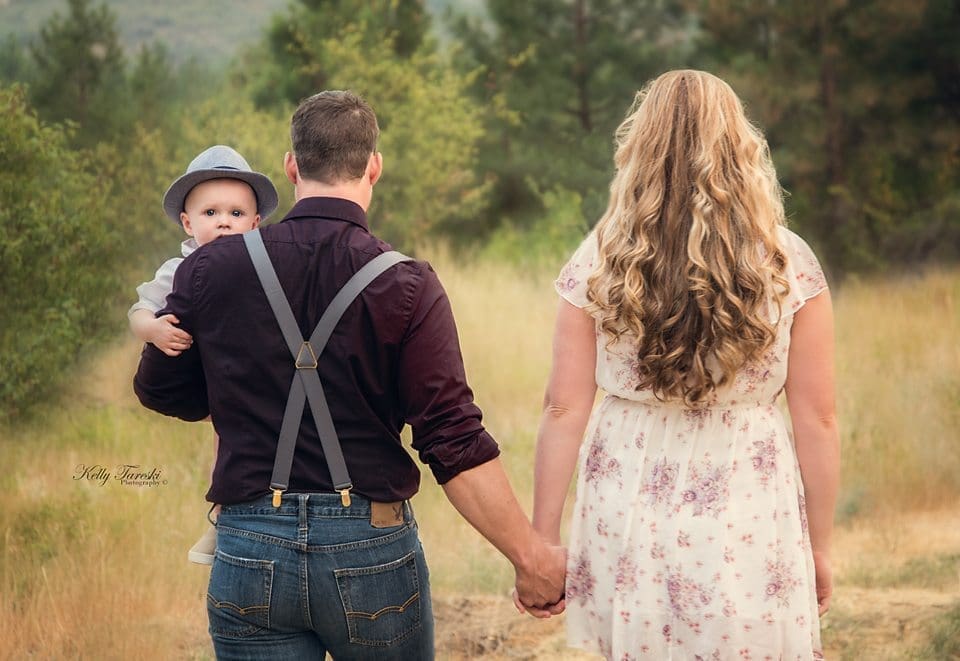
Dresses for Family Photos: Fit, Movement, and Layers
The best dresses for family photos are the ones a person can wear comfortably while standing, sitting, walking, and interacting with children. Choose the session setting first, then evaluate the dress for movement, length, support, temperature, and how it works with the rest of the family’s color palette.
No silhouette is universally flattering, and a family portrait does not require a dress. This guide is for anyone who wants to wear one and would like practical criteria beyond body-shape rules.
What should you check when choosing a dress for family photos?
| Dress feature | Question to ask | Why it matters |
|---|---|---|
| Fit | Can I breathe, sit, bend, and raise my arms comfortably? | Repeated adjustments can interrupt natural interaction. |
| Length | Will the hem work on the planned floor, grass, gravel, or path? | Very long hems may collect debris or become a trip risk. |
| Neckline and sleeves | Will everything stay where I want it during movement? | A secure fit reduces wardrobe distractions. |
| Fabric | Does it drape, wrinkle, reflect light, or cling in an unwanted way? | The material affects comfort and visual texture. |
| Layers | Can I add warmth without hiding the dress or changing the palette? | Weather and studio temperature may require flexibility. |
| Undergarments | Do the planned underlayers work with the fabric and poses? | Testing prevents visible lines, straps, or discomfort. |
Which dress silhouette photographs best?
The silhouette that photographs best is the one that fits the wearer’s preferences and the planned movement. A-line, wrap, sheath, shirt, sweater, maxi, midi, and fit-and-flare dresses can all work. The label matters less than how the garment behaves on the actual person.
Take front, side, seated, and walking phone photographs in ordinary light. Look for comfort and the overall line rather than trying to make the body conform to a prescribed shape. Tailoring a familiar dress may be more useful than buying a new style based on a generic rule.
How much movement should a family-photo dress allow?
Enough for the session plan. A person may need to hold a child, sit beside relatives, walk on a path, turn, or lean into a group. Test those motions at home in the complete outfit, including shoes and underlayers.
- Raise both arms and reach forward as if lifting or holding a child.
- Sit on a chair and, if relevant, a safe lower surface.
- Walk at a normal pace without holding the hem continuously.
- Check whether buttons, wrap ties, or straps shift.
- Confirm that the fabric is comfortable against bare skin.
- Choose a different pose rather than forcing a garment beyond its range.
Should the dress be solid or patterned?
Either can work. A patterned dress can become the source for the family palette, with other people wearing solids pulled from the print. A solid dress can provide visual calm when several family members already have texture or pattern.
Scale matters more than a blanket ban on prints. Review the whole group from portrait distance, not only the dress close up. The family photo color palette guide can help connect the dress to everyone else.
How should the location affect dress length and shoes?
A studio floor supports different choices than grass, gravel, snow, damp ground, or an uneven trail. Long dresses may create beautiful movement, but they also need a clean, safe path. A shorter hem does not automatically solve terrain concerns if the shoes are unstable.
Kelly Tareski Photography offers five indoor studios and a private five-acre outdoor property in Nine Mile Falls. Compare the indoor and outdoor portrait settings before selecting the final dress and footwear.
What layers work over a dress?
A cardigan, cropped jacket, structured coat, wrap, or soft overshirt can provide warmth while preserving the dress line. Include the layer in the palette because conditions may require it to remain visible. Avoid planning around a coat that someone cannot comfortably remove.
For cool outdoor sessions, use the family photo layering guide to test base pieces, outerwear, and footwear together.
What about children wearing dresses?
Prioritize familiar fabric, free movement, safe footwear, and practical care needs. Check tags, seams, closures, tights, socks, and the length while the child plays or sits. Shorts or another preferred underlayer may add comfort when movement is part of the session.
Do not require a child to wear an itchy, restrictive, or unfamiliar garment for the sake of coordination. Choose another dress, a different outfit, or a simpler color connection.
Dress-planning checklist
- Confirm the setting and likely conditions.
- Try the dress with the exact shoes and undergarments.
- Test sitting, walking, reaching, and holding a child.
- Photograph the complete family wardrobe together.
- Prepare a coordinated weather layer if needed.
- Steam or press the garment according to its care instructions.
- Bring only simple repair items that are safe for the fabric.
Frequently asked questions about dresses for family photos
Do long dresses always photograph better?
No. Long dresses can add movement, while shorter dresses may suit the person or setting better. Comfortable fit and safe movement are more important than hem length.
Can I wear black, white, or a bright color?
Yes. Review the dress with the background and the rest of the wardrobe. No color is automatically prohibited, though very light, dark, or saturated colors may need thoughtful balance.
Should more than one family member wear a dress?
They can. The dresses do not need to match. Connect them through color, texture, or formality while preserving each person’s style.
Choose a dress that lets you stay present
If beauty preparation is part of your plan, review the current hair and makeup information. Then explore Spokane family portraits or contact Kelly Tareski Photography to coordinate the wardrobe with your setting.
Education Most Searched Articles
- Kelly Tareski Photography Homepage
- How to Choose Background Colors to Complement Skin Tones
- Choosing the Best Lens for Stunning Senior Portraits
- 5 Tips Using the Nikon Z7ii Camera for Portrait Photography
- Exploring Spokane Through a Lens: Must-Visit Photo Locations
- How to Choose the Best Lenses for Senior Portraits
- When to Use a Neutral Background in Photography
- Top Posing Ideas for Solo Portraits: Looking Confident and Natural
- The Economy and Photography
- How the Economy Impacts Photography
- How to Weather Economic Slumps as a Photographer
- Finding Creative Ways to Promote Your Photography on a Budget
- Free and Low-Cost Resources for Photographers