
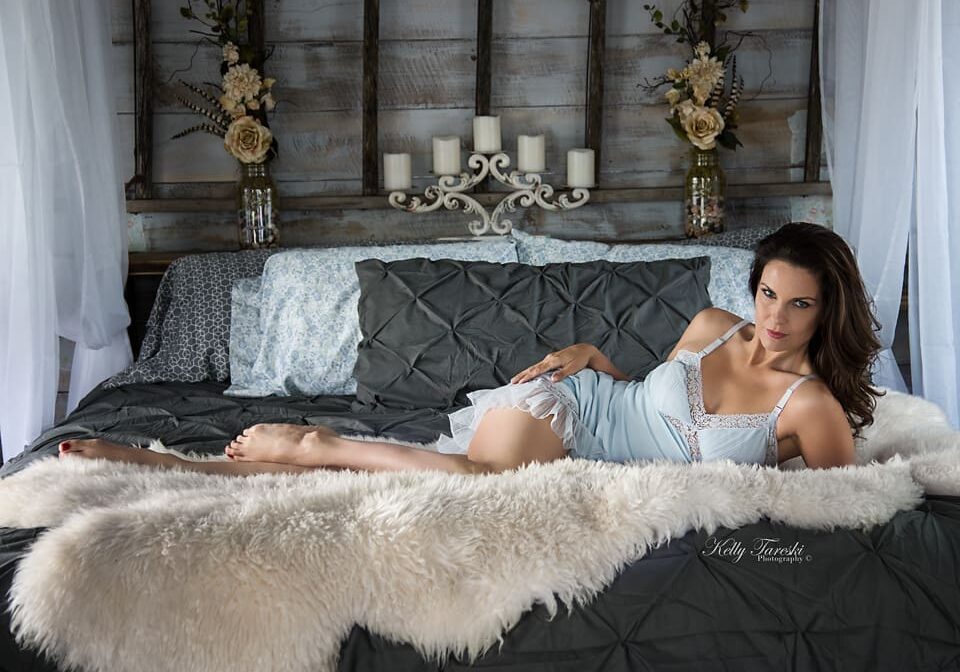
Sensual Portrait Photography: Lighting, Posing and Direction
What Is Sensual Portrait Photography?
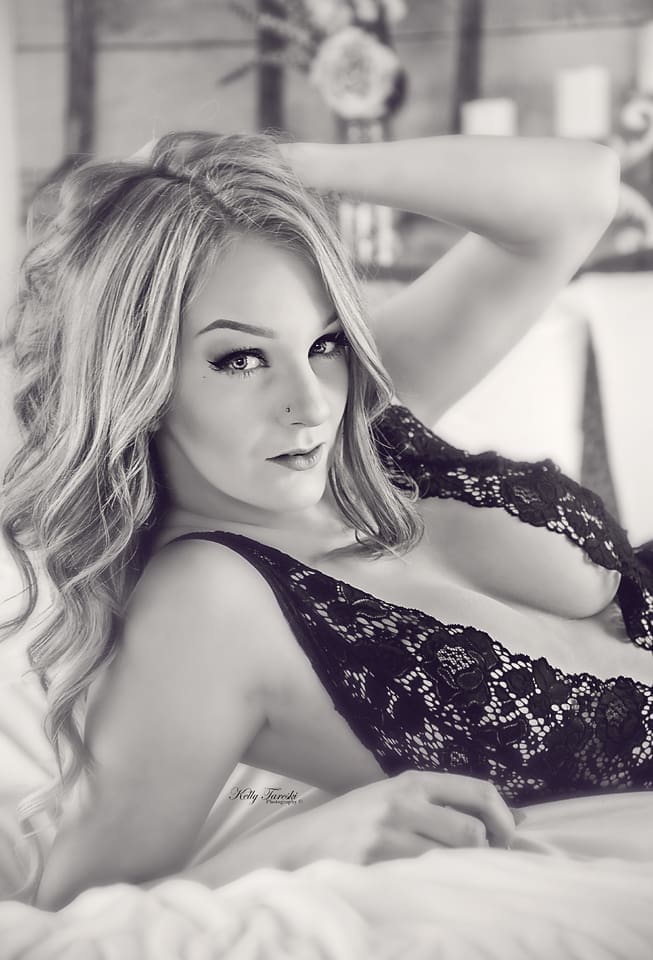
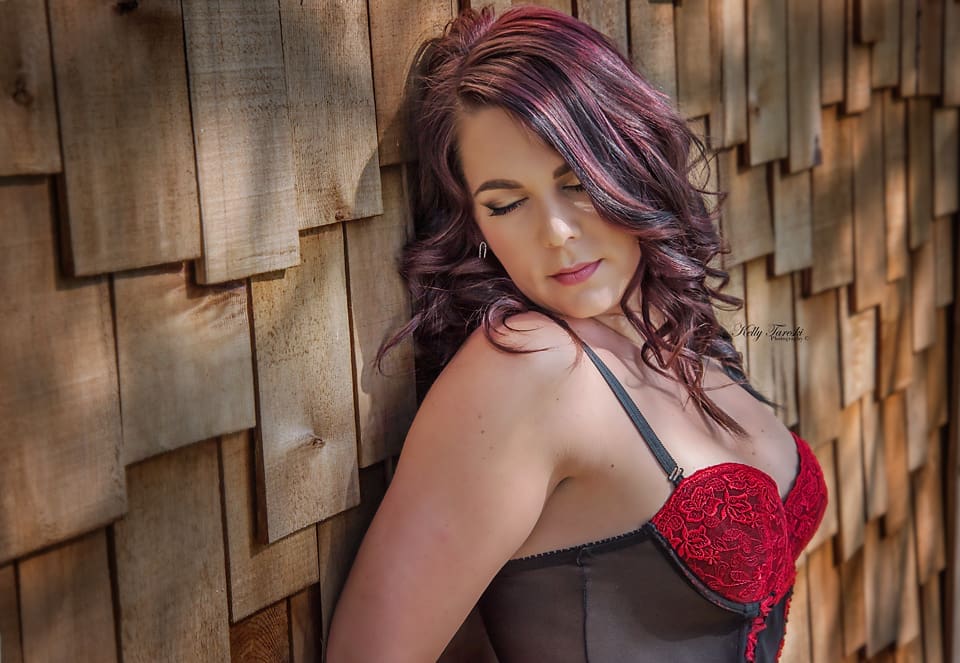
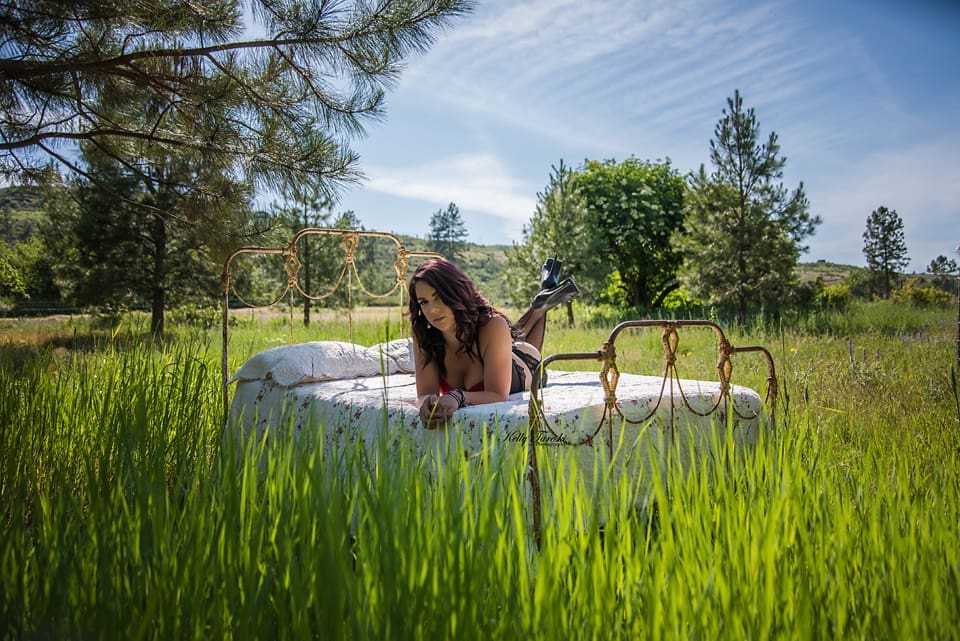
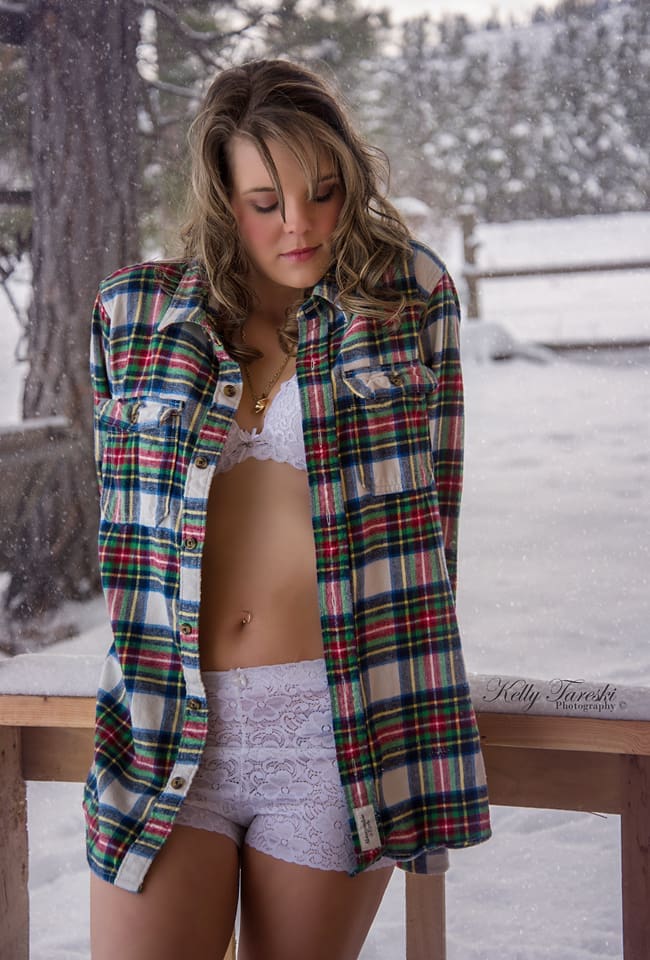
Sensual portrait photography uses lighting, posing, expression, wardrobe, crop, and setting to create photographs with an intimate or sensual visual tone. It can overlap with boudoir, glamour, fashion, fine art, or editorial portraiture, but it does not require one specific genre label, pose, outfit, body type, or level of exposure.
For intimate work, technical skill is only part of the job. Clear communication, adult consent, privacy, professional boundaries, and a shared understanding of how the photographs may be used are equally important.
Start With the Visual Goal, Not the Gear
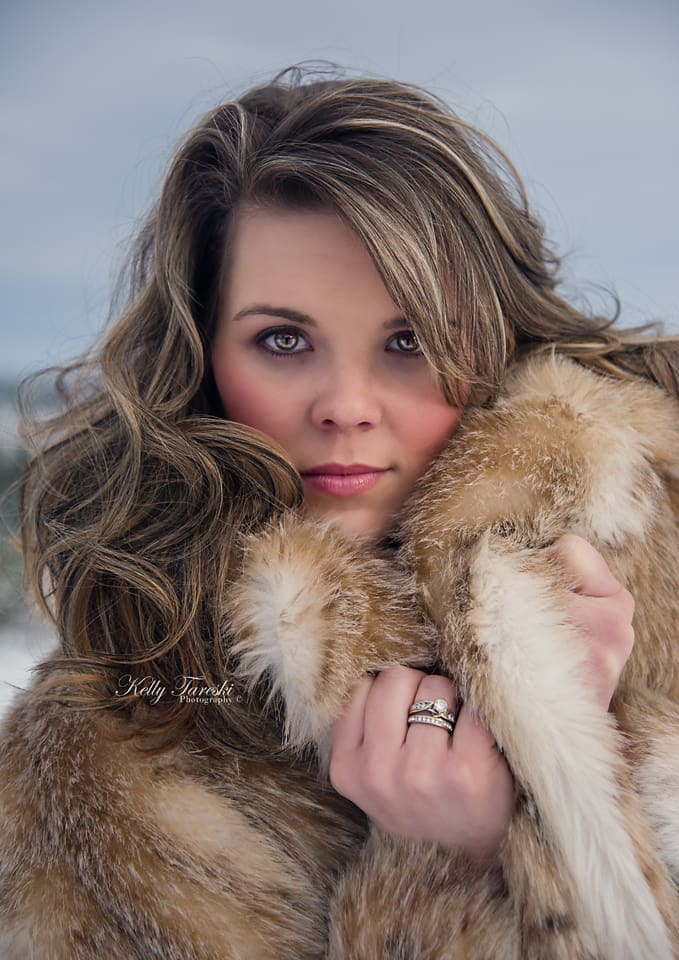
Before choosing a camera setting or lighting modifier, decide what the photograph should look like. A soft, quiet portrait may call for different light and posing than a graphic editorial image. Reference photographs can help identify the elements you want to reproduce in principle, such as contrast, crop, background, posture, wardrobe, or color, without copying another photographer's image.
- Soft and low contrast: larger light sources, more fill, lighter backgrounds, or gentler tonal transitions can support the look.
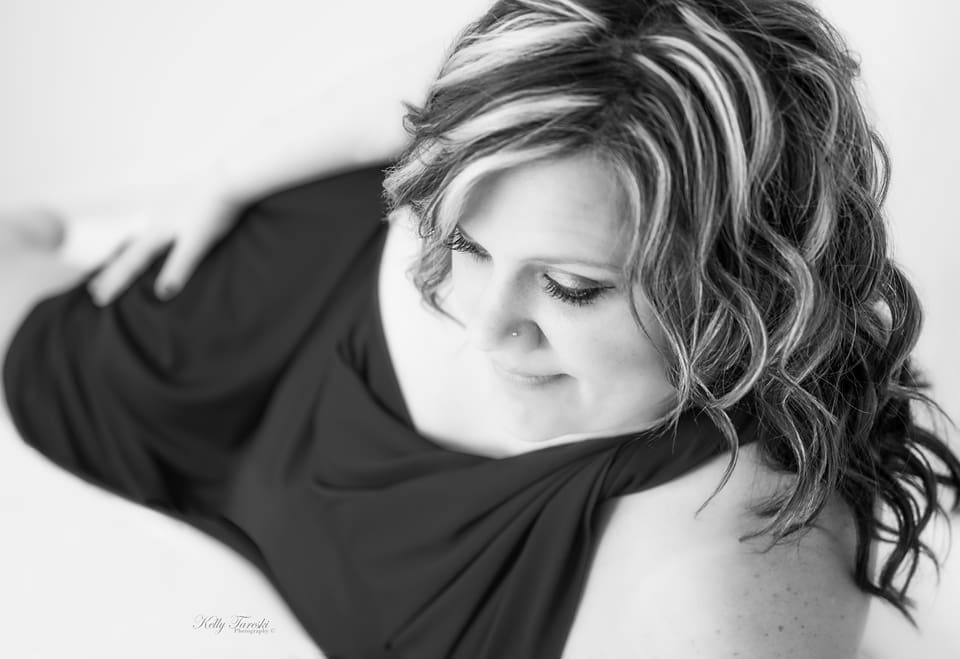
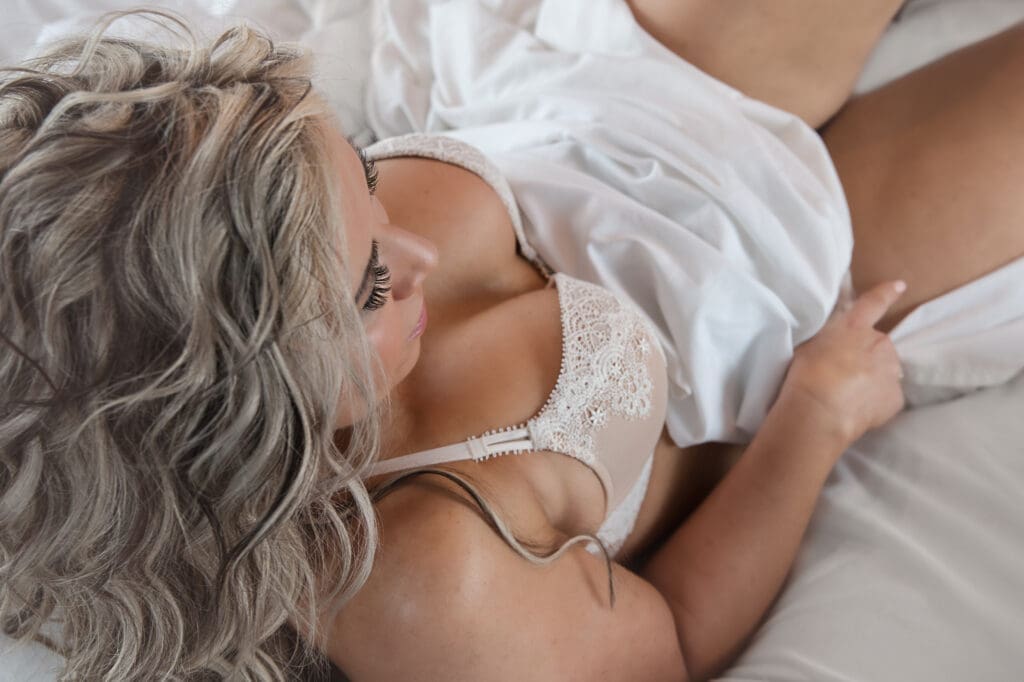
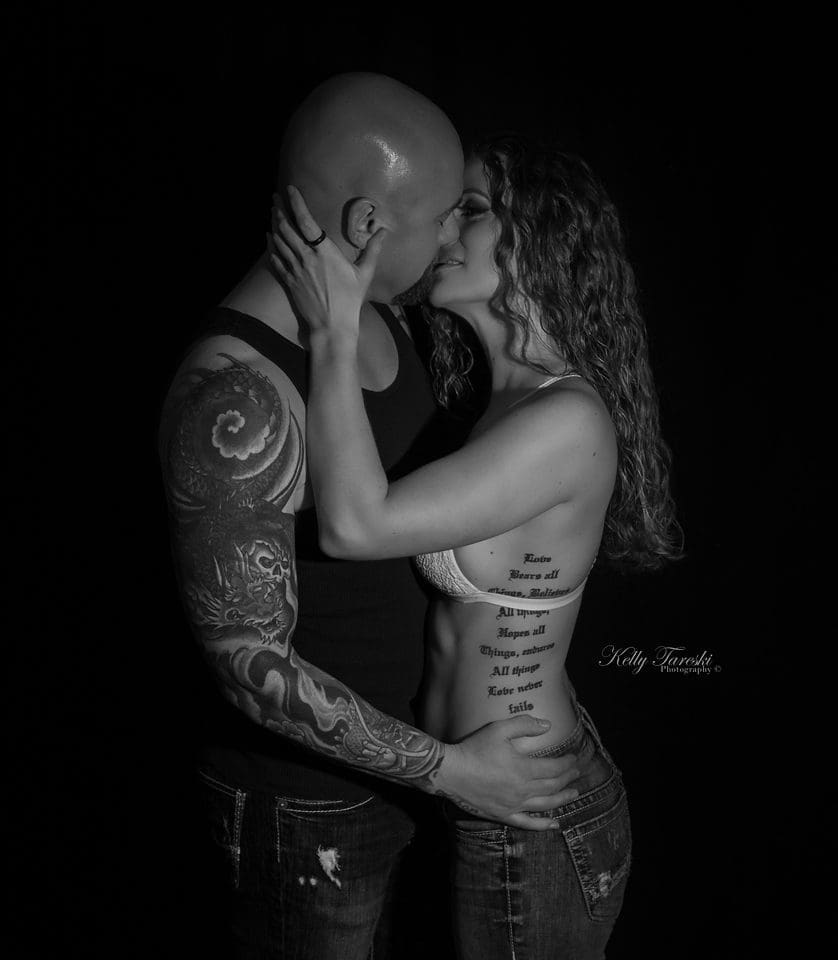
- Dramatic: more directional light, deeper shadow, stronger contrast, or a darker background can add visual tension.
- Editorial: structured posing, graphic composition, deliberate wardrobe, and stronger art direction can create a fashion-influenced result.
- Minimal: simple backgrounds, restrained wardrobe, and fewer visual elements can keep attention on shape and expression.
What Camera and Lens Do You Need?
There is no required camera format or focal length for sensual portraiture. Full-frame, APS-C, and other camera systems can all work. Choose equipment that gives you the working distance, autofocus reliability, resolution, low-light performance, and file quality your assignment requires.
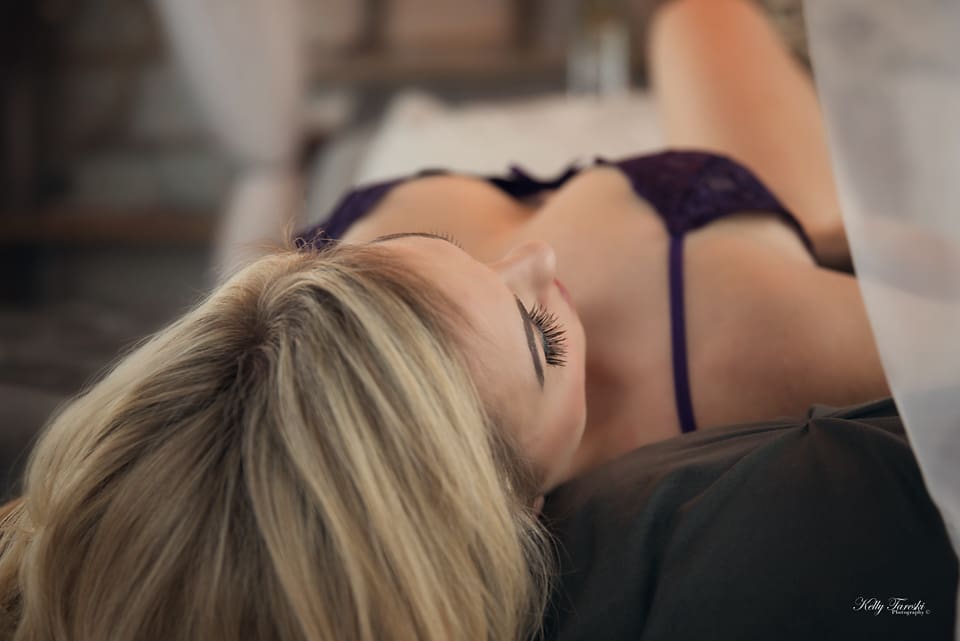
A wider lens can include more environment or exaggerate perspective when used close to the subject. A longer focal length can narrow the field of view and change background compression. Standard and short-telephoto lenses are common for portraits, but lens choice should follow the composition and available space rather than a rule that one focal length is universally flattering.
How Should You Light Sensual Portraits?
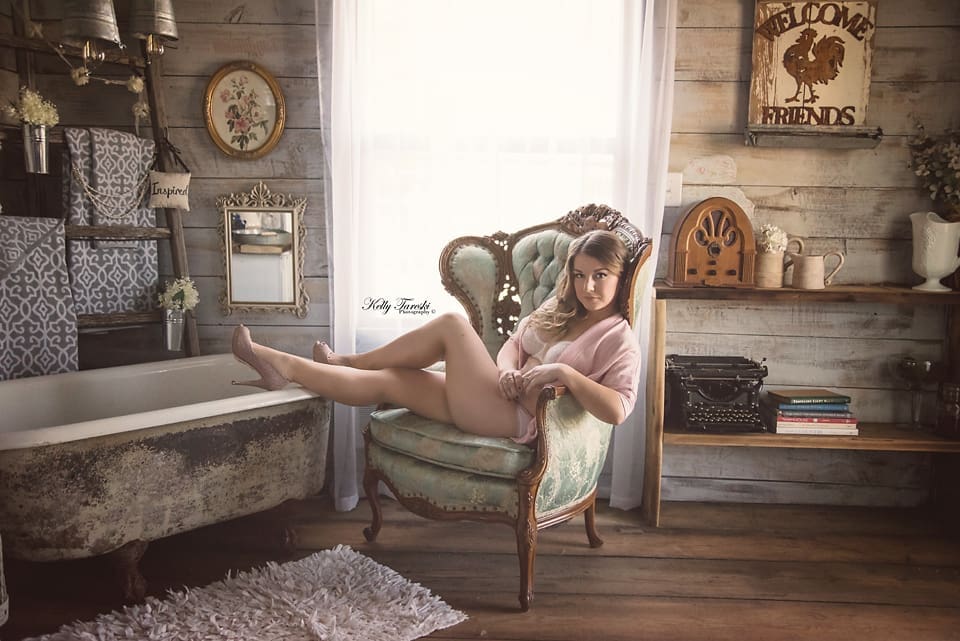
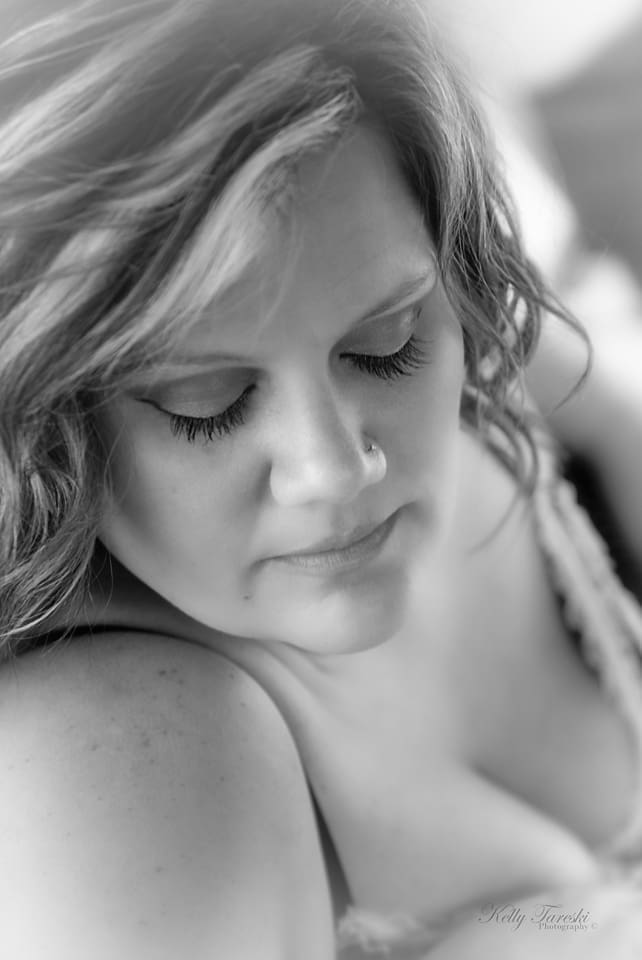
Lighting should support the visual plan rather than follow one formula. Window light, studio flash, continuous light, reflected light, or combinations can all work.
- Large soft source: can produce smoother transitions between highlight and shadow.
- Directional source: can define shape and create stronger contrast.
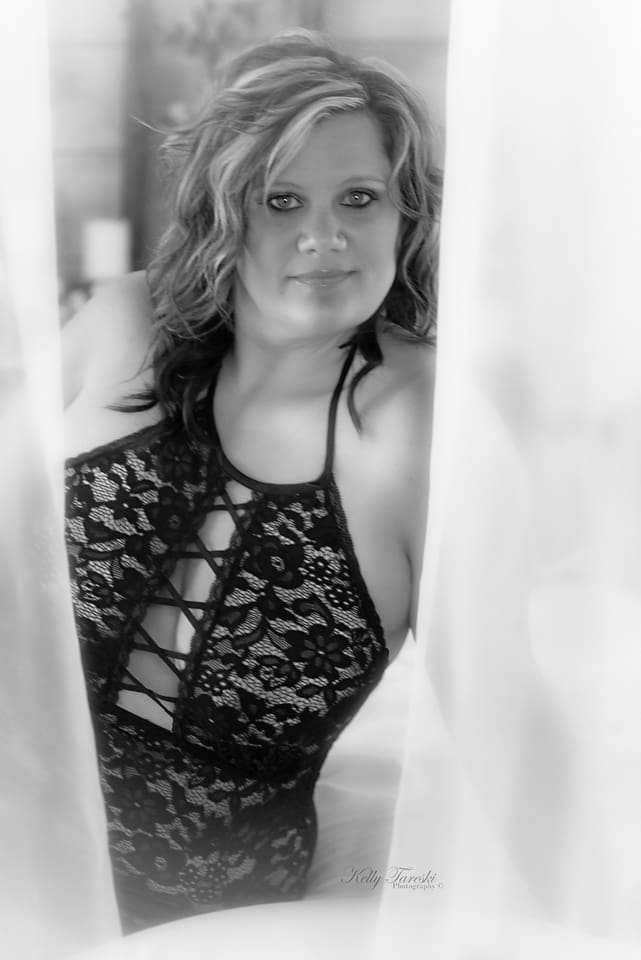
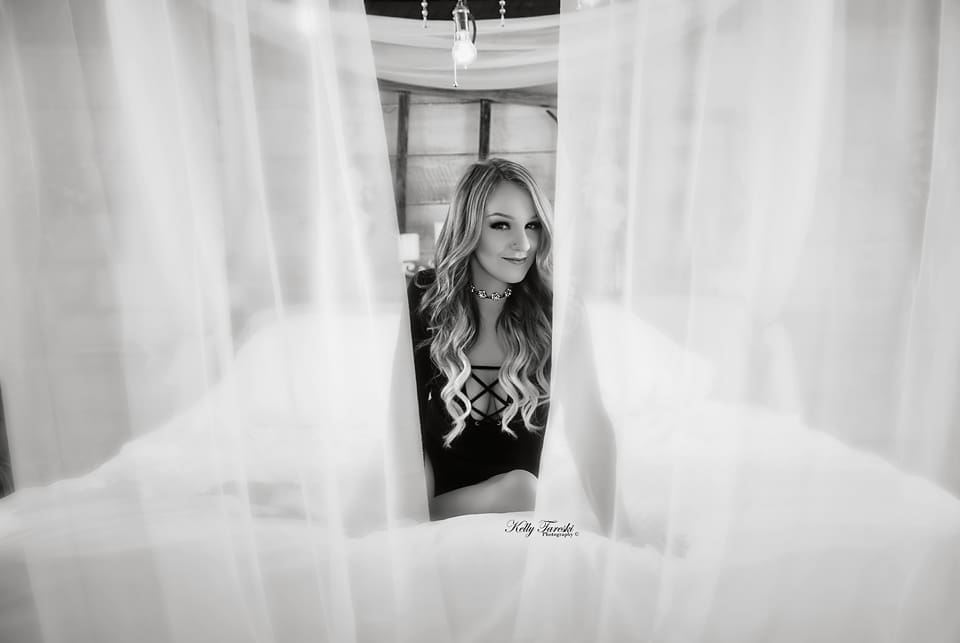
- Backlight or rim light: can separate edges or create silhouettes when exposure is planned for that result.
- Negative fill: can deepen shadow on one side of the subject when more contrast is desired.
- Background light: can separate the subject from the background or add controlled color and tone.
Watch the highlights, skin tone, shadow detail, reflections, and background separately. A lighting setup is successful when those elements support the intended photograph, not because it uses a particular modifier.
How Do You Direct Posing Professionally?
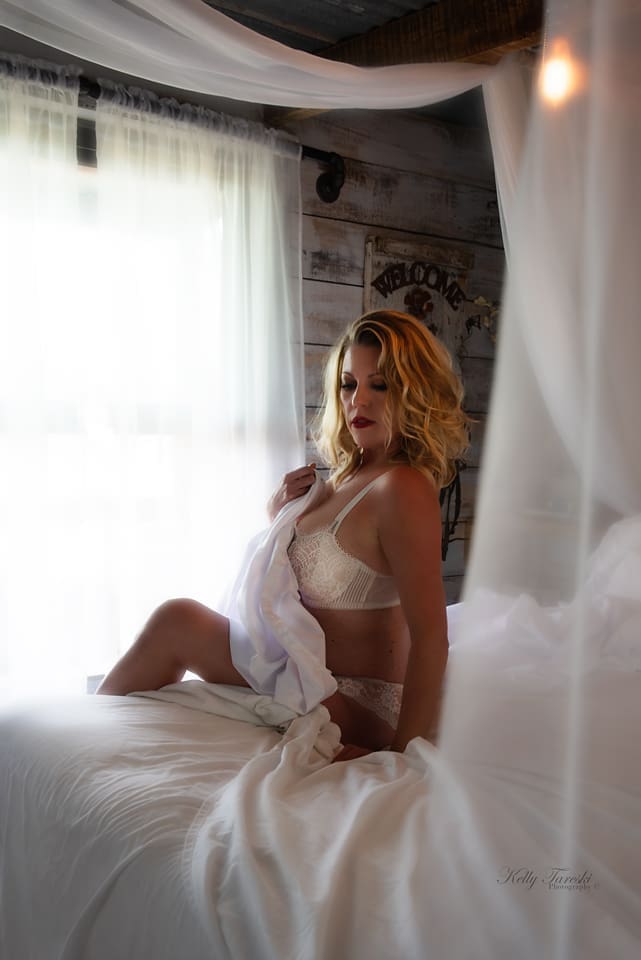
Do not rely on vague instructions such as "be sexy." Give specific, neutral direction that the client can choose to follow: change the angle of the shoulders, shift weight, move a hand, adjust gaze, lengthen posture, turn toward or away from the light, or try a small movement.
Explain a pose before touching a client or changing clothing, and do not assume physical contact is acceptable. Ask before making hands-on adjustments. Adapt direction for mobility, comfort, wardrobe, and stated boundaries. A client should be able to decline a pose without needing to justify the decision.
Wardrobe and Styling
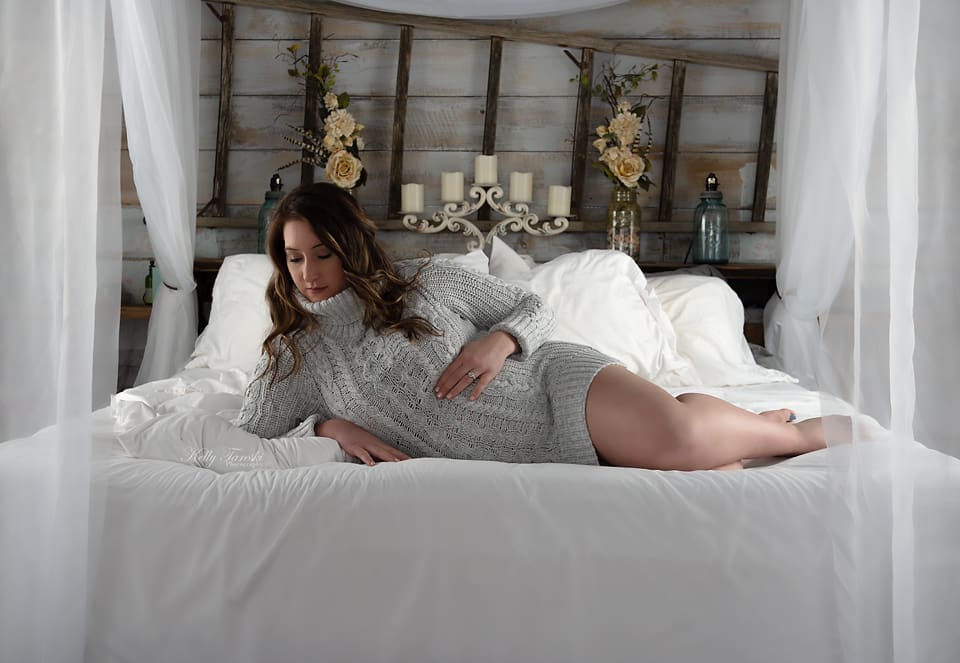
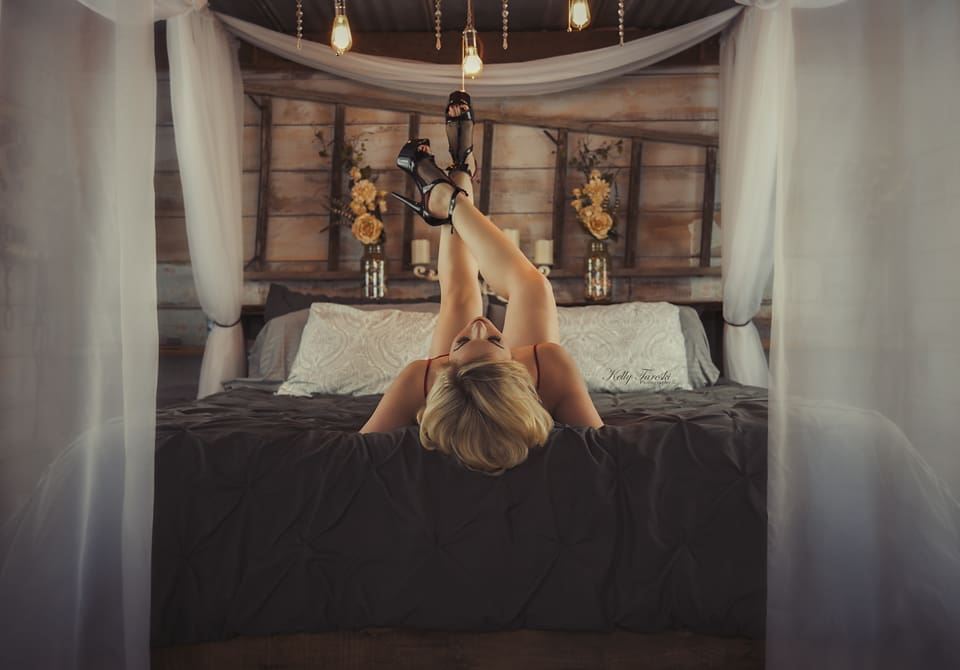
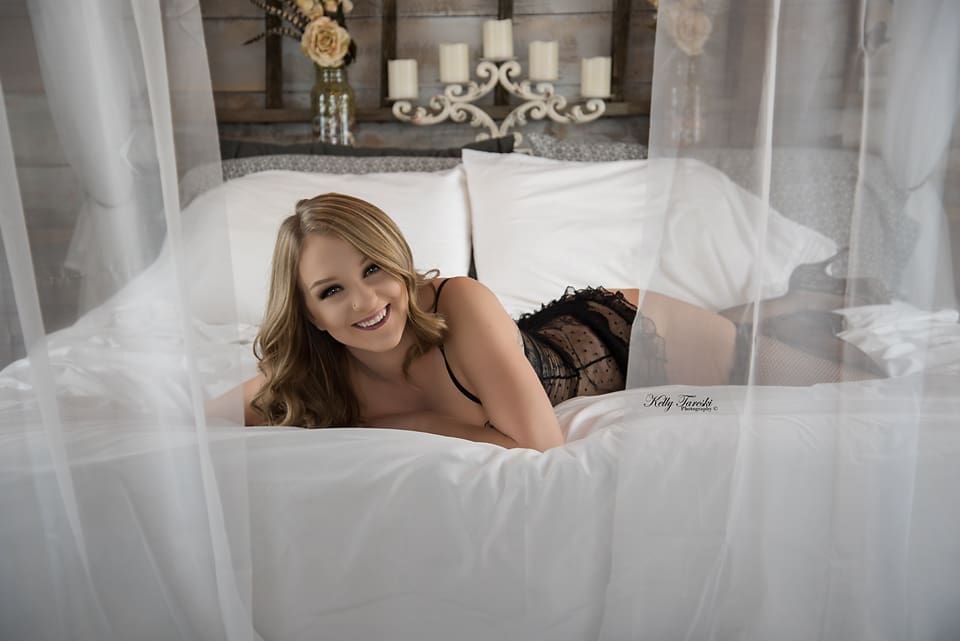
Wardrobe can range from fully dressed fashion looks to robes, bodysuits, lingerie, implied coverage, fabric, or other options chosen by an adult client. The photographer's job is to explain how color, texture, fit, movement, and coverage may affect the image, not to prescribe a body type or tell a client what they must reveal.
Hair and makeup can be natural, polished, dramatic, or omitted entirely. Props and furniture should serve the composition instead of being added simply because they are associated with boudoir or glamour photography.
Consent, Privacy, and Image Use
For sensual or intimate portraiture, discuss privacy before the session begins. Clients should know who will be present, where wardrobe changes happen, how images are stored and delivered, what retouching is typical, and whether any photographs will be shown publicly.
A model release or portfolio permission should be handled separately from the photography experience. Do not treat permission to photograph someone as automatic permission to publish intimate images. Follow the signed agreement and any applicable legal requirements.
Retouching Without Making Promises
Retouching can include exposure, color, crop, cleanup, skin work, background adjustments, and other finishing choices. Tell clients what is standard and what requires additional work. If body-shape changes are offered, discuss them explicitly rather than assuming they are wanted.
Good retouching is not defined by making every person look the same. It should be consistent with the photographer's portfolio and the choices agreed on for the session.
How Is Sensual Portraiture Different From Boudoir or Glamour?
The categories overlap. Boudoir usually places more emphasis on intimate portrait context, privacy, and personal boundaries. Glamour photography often emphasizes polish, beauty styling, and presentation. Sensual portraiture can borrow from either without needing to fit a strict label.
For more detail, see What Are Sexy Pictures? and Glamour vs. Boudoir Photography.
Professional Checklist
- Define the visual goal before choosing equipment.
- Use specific posing direction instead of appearance-based commands.
- Confirm privacy, boundaries, and image-use permissions in advance.
- Choose lighting and lens decisions for the composition, not a universal formula.
- Explain retouching and delivery expectations before the session.
- Keep the client experience professional even when the visual style is intimate or sensual.
Boudoir Photography Most Searched Articles
- Kelly Tareski Photography Home
- Kelly Tareski Photography Boudoir Gallery
- Boudoir Portrait Photography Spokane
- 20 Styles of Boudoir Photography
- The Couples Boudoir Photography Style
- What are Sexy Pictures? - Boudoir Photography
- Behind the Scenes of a Boudoir Photography Session
- The Outdoor Boudoir Photography Style
- The Classic Boudoir Photography Style
- What is a Boudoir Portrait
- The Black and White Boudoir Photography Style
- Why Boudoir Photography is the Ultimate Self-Love Experience
Education Most Searched Articles
- Kelly Tareski Photography Homepage
- How to Choose Background Colors to Complement Skin Tones
- Choosing the Best Lens for Stunning Senior Portraits
- 5 Tips Using the Nikon Z7ii Camera for Portrait Photography
- Exploring Spokane Through a Lens: Must-Visit Photo Locations
- How to Choose the Best Lenses for Senior Portraits
- When to Use a Neutral Background in Photography
- Top Posing Ideas for Solo Portraits: Looking Confident and Natural
- The Economy and Photography
- How the Economy Impacts Photography
- How to Weather Economic Slumps as a Photographer
- Finding Creative Ways to Promote Your Photography on a Budget
- Free and Low-Cost Resources for Photographers