

The Luminous Boudoir Photography Style
Read the parent article "20 Styles of Boudoir Photography"
What Is Luminous Boudoir Photography?
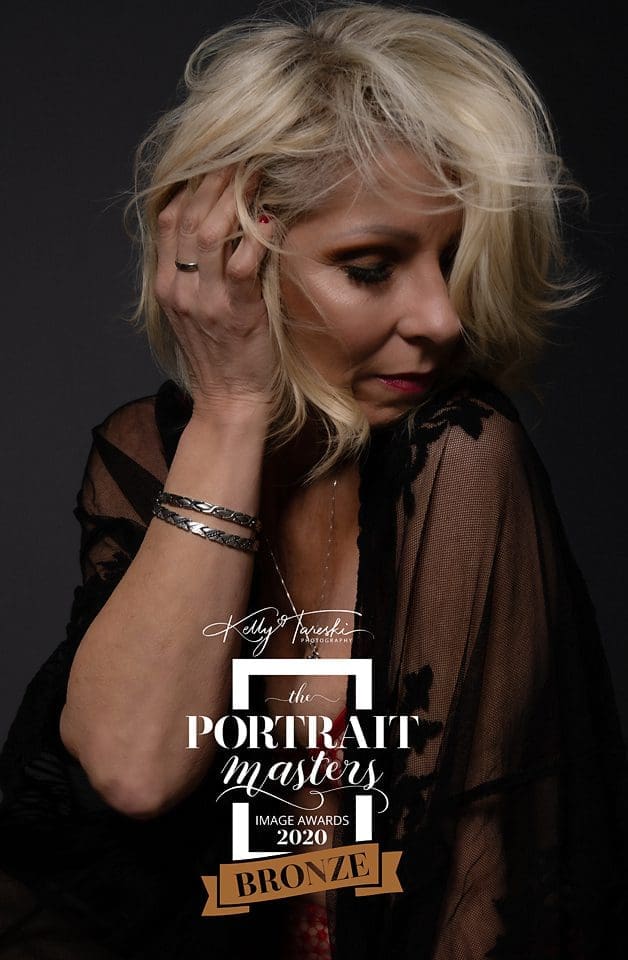
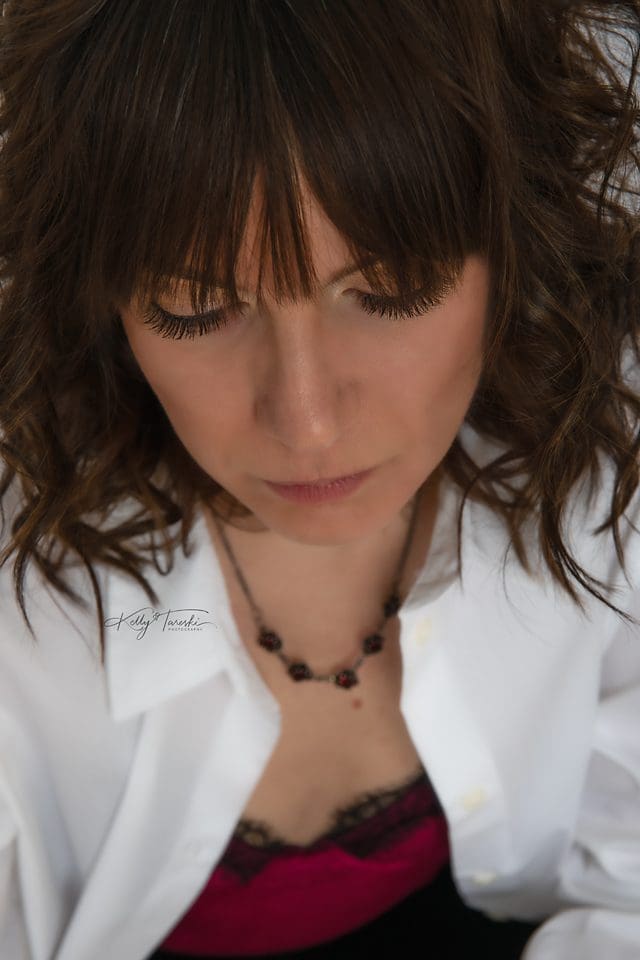
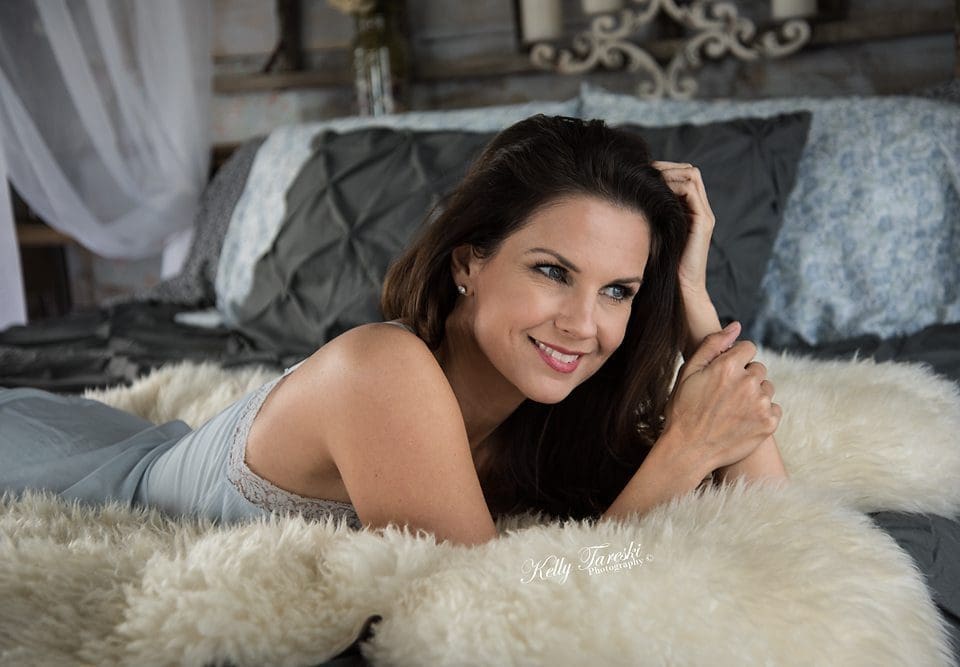
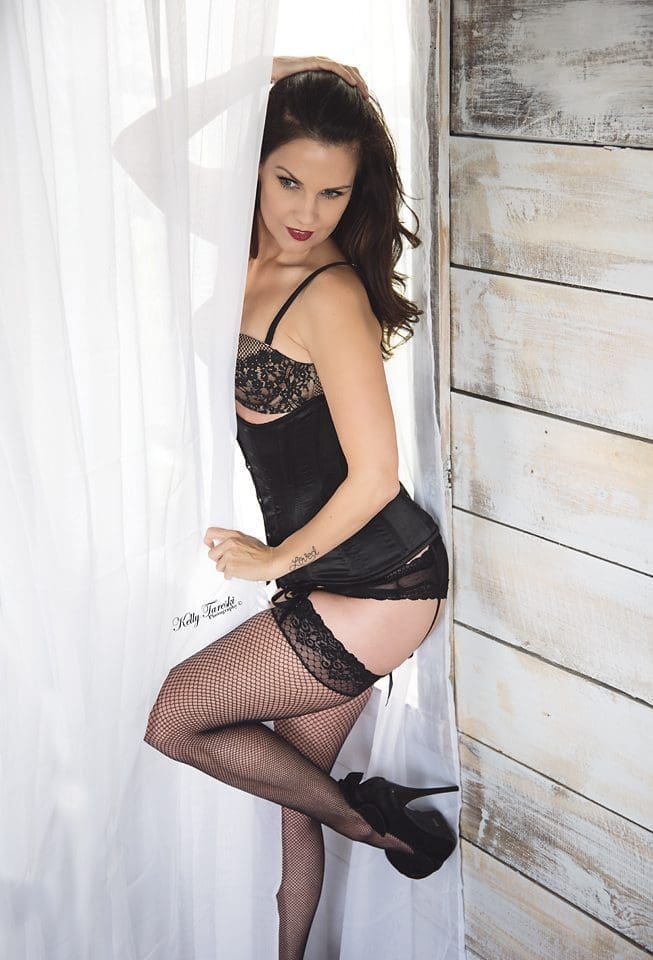
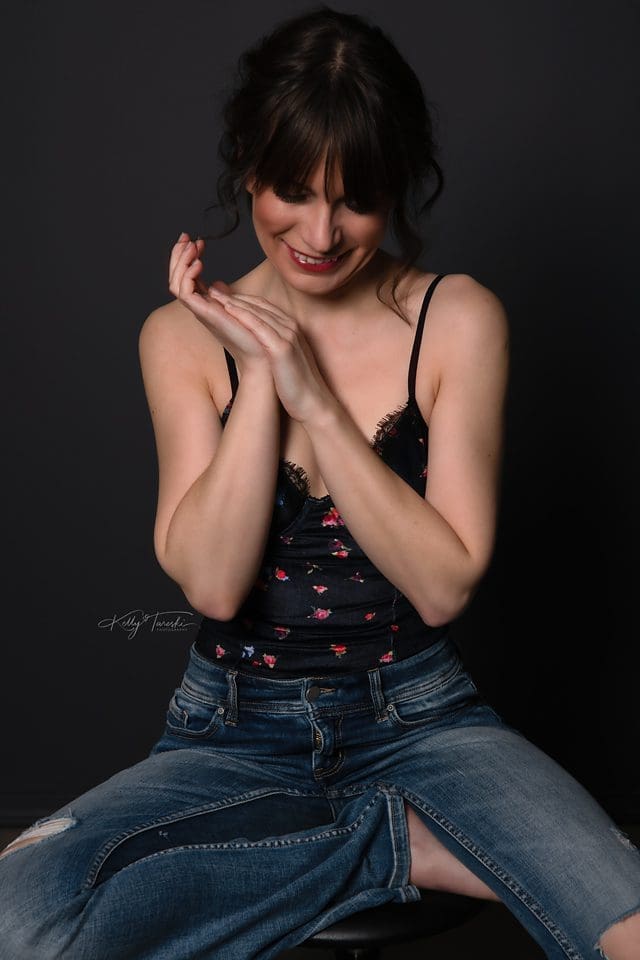
Luminous boudoir photography is a soft, light-forward style of intimate portraiture. It often uses broad, gentle illumination, bright or neutral backgrounds, lighter tonal values, and restrained editing to create photographs that feel airy, romantic, and visually open.
The luminous look can be created with window light, outdoor light, studio lighting, or a combination of sources. Natural light is not required, and the session does not need to happen at golden hour. The important choices are the direction, size, intensity, and quality of the light, along with how the background, wardrobe, exposure, and editing support the brighter visual style.
Luminous boudoir can be sensual or subtle, fully dressed or lingerie-based, and it does not promise a particular emotional response. The photographer's role is to create the visual treatment while respecting the client's wardrobe, posing, coverage, and privacy preferences.
How Do You Build a Luminous Boudoir Set?
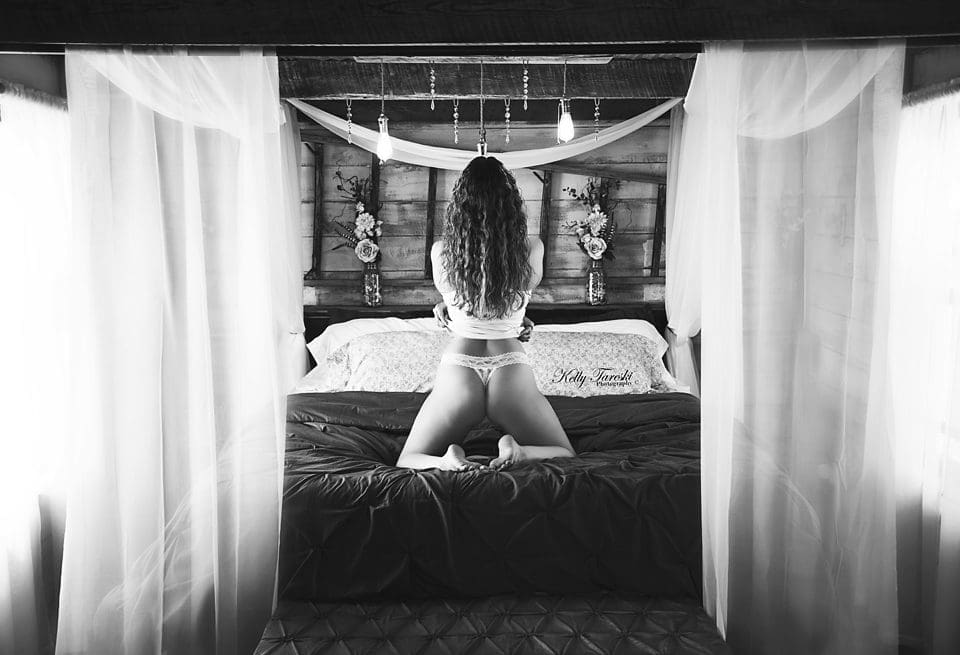
A luminous set works best when the background, wardrobe, and light support a brighter tonal range. Light-colored walls, bedding, fabric, simple furniture, or an uncluttered studio background can help, but the set does not need to be a bedroom. Choose elements for how they photograph rather than following a fixed decor formula.
Keep practical details in mind as well: privacy, safe movement around furniture and light stands, changing space, and enough room to position the light where it is needed.
Key Elements of the Luminous Boudoir Look
- Lighting: Broad, soft light is common, but it can come from a window, open shade, diffusion, bounced light, a large studio modifier, or another controlled source.
- Posing: Relaxed movement, seated poses, standing portraits, close details, and more structured poses can all work. Direction should fit the client rather than one required "soft" pose.
- Props: Light fabrics, flowers, mirrors, furniture, or other objects can support the concept, but props are optional and should not overwhelm the portrait.
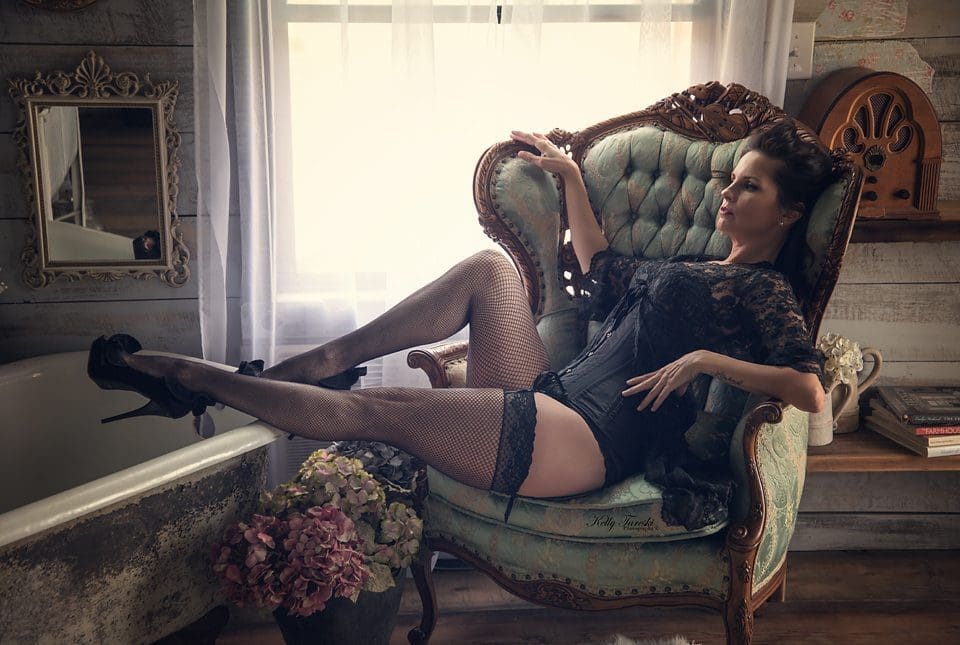
- Wardrobe: Pale colors and lighter fabrics can reinforce the luminous look, but darker or more structured pieces can also work when the lighting and background are balanced intentionally.
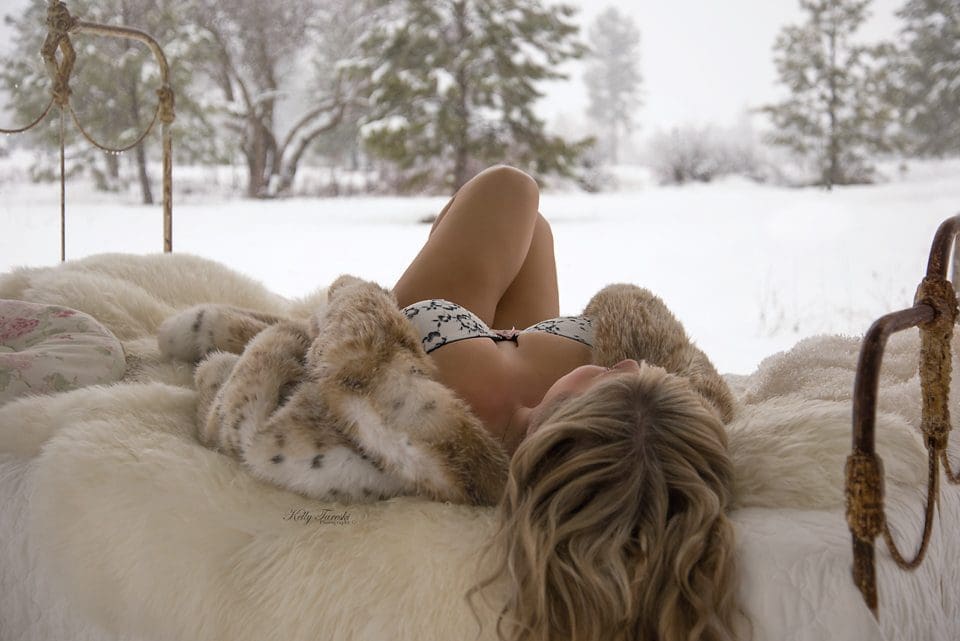
- Background: Bright walls, windows, simple studio paper, light bedding, outdoor locations, or neutral interiors can help keep the frame visually open.
- Editing: Exposure, white balance, contrast, color, and skin treatment can be refined without requiring heavy smoothing, faded color, or a fixed preset.
What Lighting Works for Luminous Boudoir?
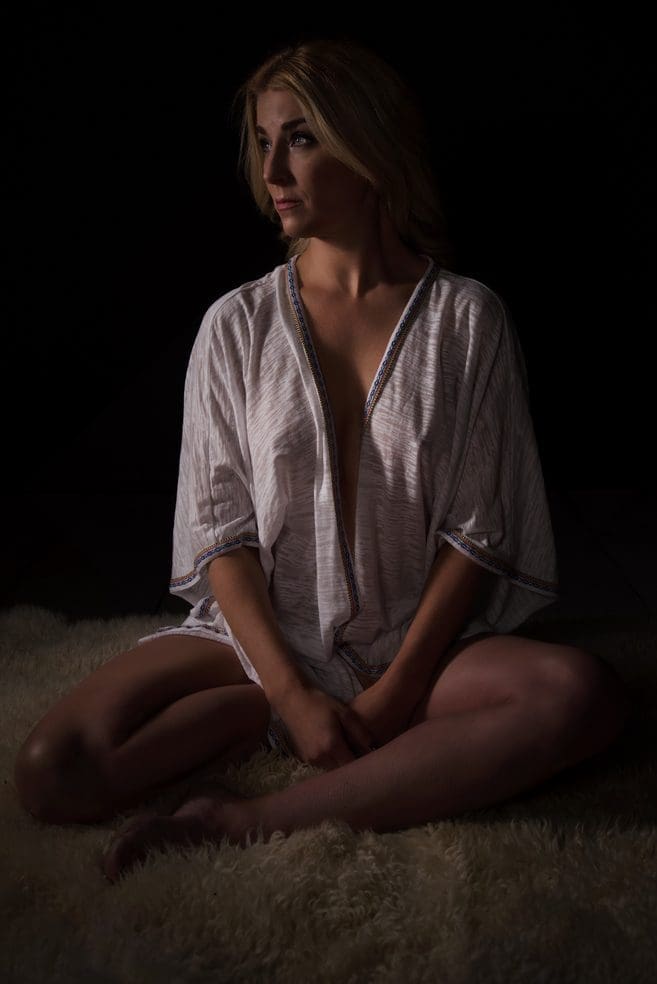
Luminous boudoir usually benefits from a light source that creates smooth transitions and keeps shadow areas from becoming too heavy. A large window can do this, but so can a large softbox, umbrella, diffusion panel, reflected light, or another studio setup.
The goal is not to eliminate every shadow. Shape still matters. I look at the face, body position, wardrobe, background, and desired mood, then adjust the light so the image stays bright without becoming flat or overexposed. Catchlights, exposure, and background brightness are results of the overall setup rather than rules that require one particular modifier.
What Backgrounds Work for Luminous Boudoir?
Bright walls, light bedding, textured fabric, simple studio paper, windows, or a neutral interior can all support a luminous look. Texture can add depth, but the background should support the subject rather than force the photograph into a bedroom aesthetic.
Practical choices matter too. Background elements should be secure, easy to move around, and compatible with the client's privacy, comfort, mobility, and the lighting setup.
Props that Make Your Luminous Boudoir Photography Session More Interesting
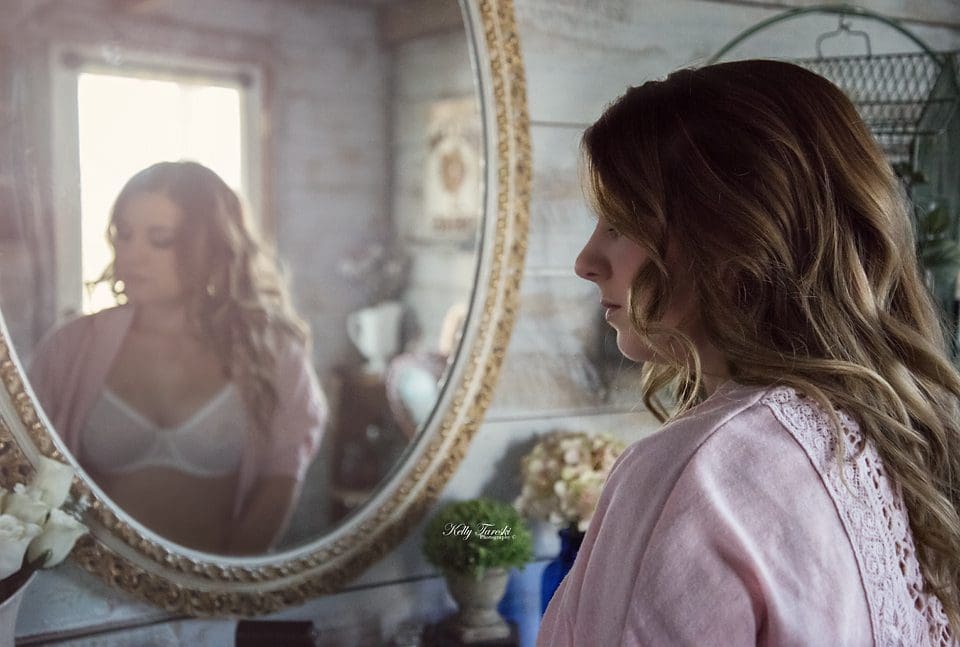
Props can add personality or visual context to luminous boudoir photographs when they support the concept. A fabric throw, mirror, flowers, jewelry, chair, or another carefully chosen object can reinforce the mood without becoming the main subject. Props are optional, and the strongest choice is usually one that fits the client, wardrobe, set, and composition rather than simply adding more objects to the frame.
Accessorizing & Posing Suggestions for Capturing the Best Luminous Boudoir Images
Accessories and posing can change the tone of a luminous boudoir photograph, but neither should follow a fixed formula. Jewelry, fabric, or other details can support the styling, while posing can be adjusted through posture, gaze, hand placement, camera angle, and movement. I guide those choices around the composition, wardrobe, comfort, mobility, and boundaries of the person being photographed.
How Should Luminous Boudoir Photos Be Edited?
Editing can support the luminous look by refining exposure, white balance, color, contrast, crop, and distractions while protecting highlight detail and maintaining a consistent skin tone. The finished image does not need heavy saturation, excessive brightness, or aggressive skin smoothing to feel luminous.
Ask the photographer to show finished examples so you can see how bright the final files normally look and how retouching is handled. The strongest editing choices are the ones that support the original lighting and the agreed visual direction.
Bottom Line
Luminous boudoir photography is defined by a bright, soft, and open visual treatment, not by one required light source, wardrobe, pose, or emotional outcome. Window light can work beautifully, but studio light can create the same general direction when it is shaped deliberately.
If you like lighter tones, softer contrast, and an airy approach to intimate portraiture, luminous boudoir may be a useful style to explore. Compare it with other approaches in 20 Styles of Boudoir Photography, and discuss coverage, wardrobe, posing, privacy, and image use with your photographer before the session.
Where you can book "Luminous Boudoir Photography in Spokane Washington"
Boudoir Photography Most Searched Articles
- Kelly Tareski Photography Home
- Kelly Tareski Photography Boudoir Gallery
- Boudoir Portrait Photography Spokane
- 20 Styles of Boudoir Photography
- The Couples Boudoir Photography Style
- What are Sexy Pictures? - Boudoir Photography
- Behind the Scenes of a Boudoir Photography Session
- The Outdoor Boudoir Photography Style
- The Classic Boudoir Photography Style
- What is a Boudoir Portrait
- The Black and White Boudoir Photography Style
- Why Boudoir Photography is the Ultimate Self-Love Experience