

Understanding Market Change in Photography
Let's Roll!
Quick answer: Photography markets change as client needs, technology, media habits, budgets, and local competition change. Rather than assuming one trend applies everywhere, watch your own inquiry data, booking mix, client questions, referral sources, and local demand. This article looks at several photography categories as examples of how services can evolve over time.
What is the Market Change in Photography?
The photography industry includes many markets, from portraits and weddings to commercial, real estate, events, editorial, and fine art. Demand does not move in one direction across every market. Some clients prefer highly polished studio work, some want documentary or lifestyle imagery, and others need practical business content. Local research is more useful than treating one style as the industry-wide trend.
Senior Portraits
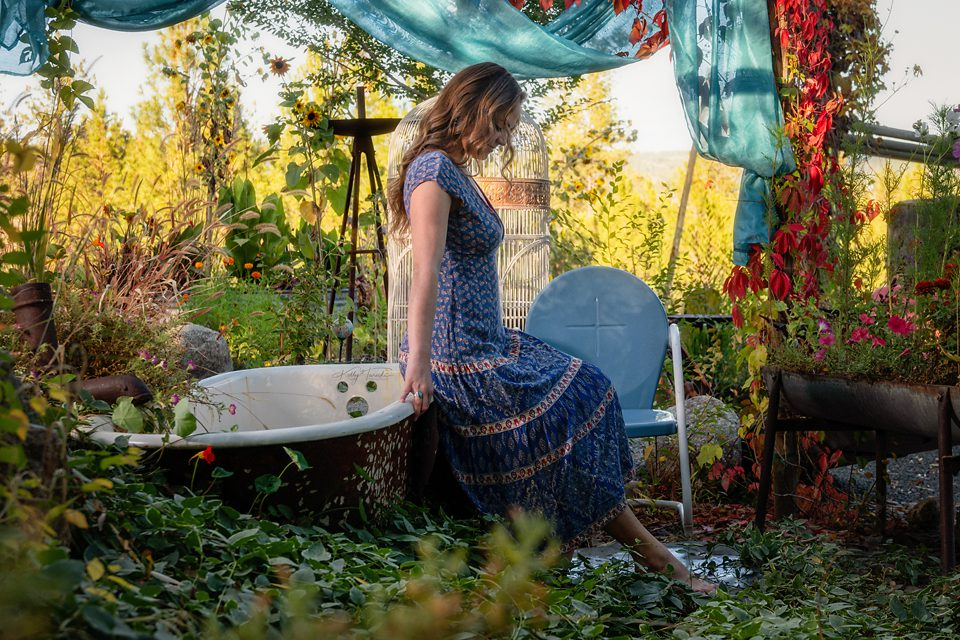
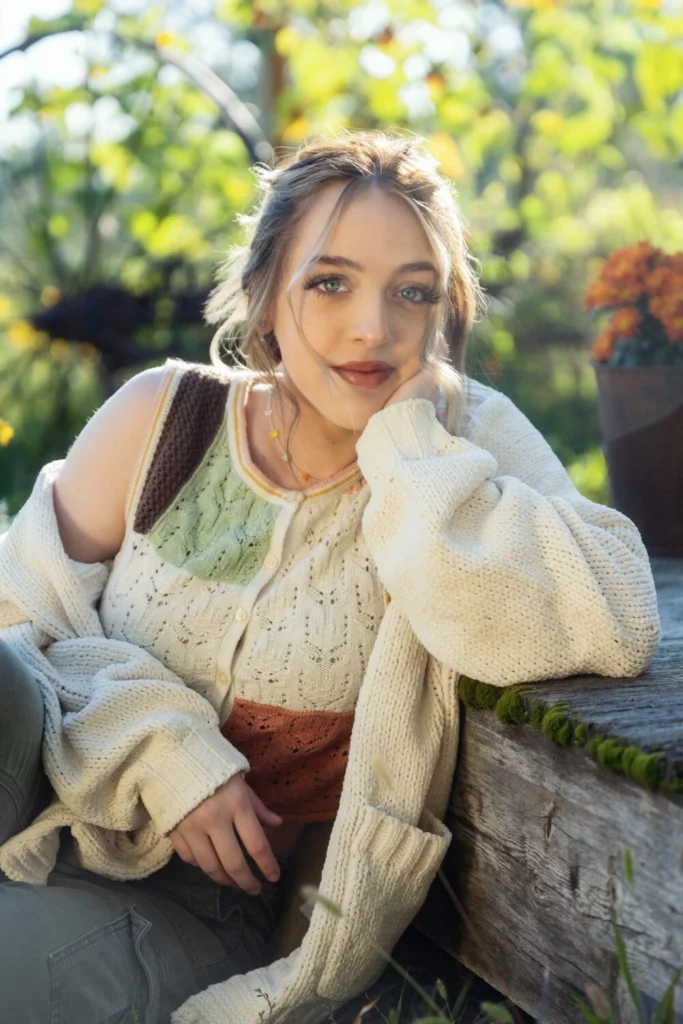
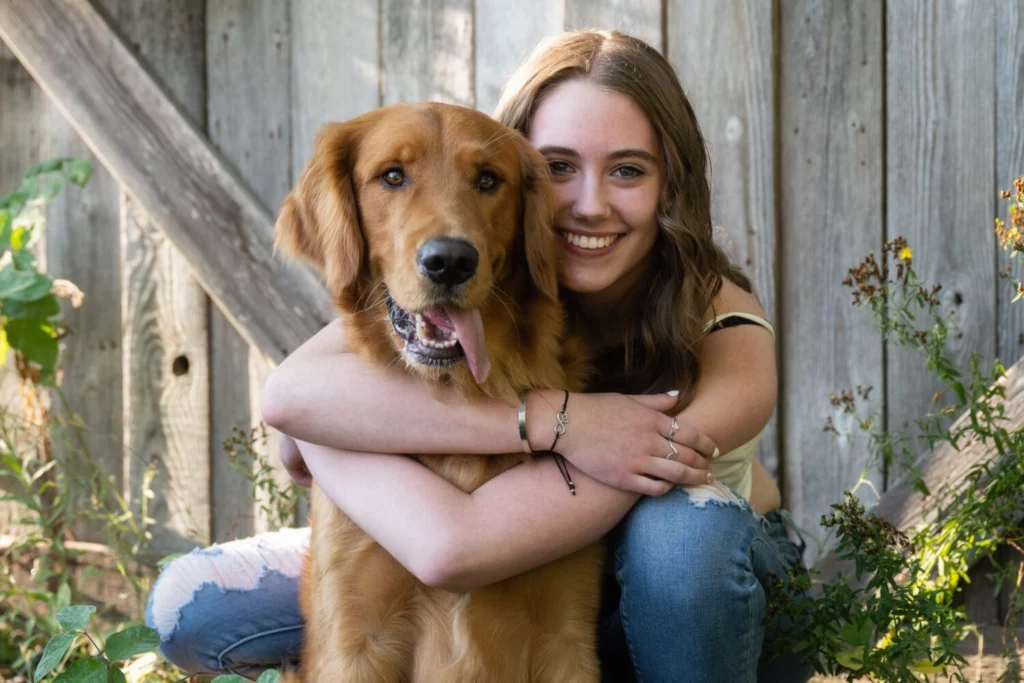
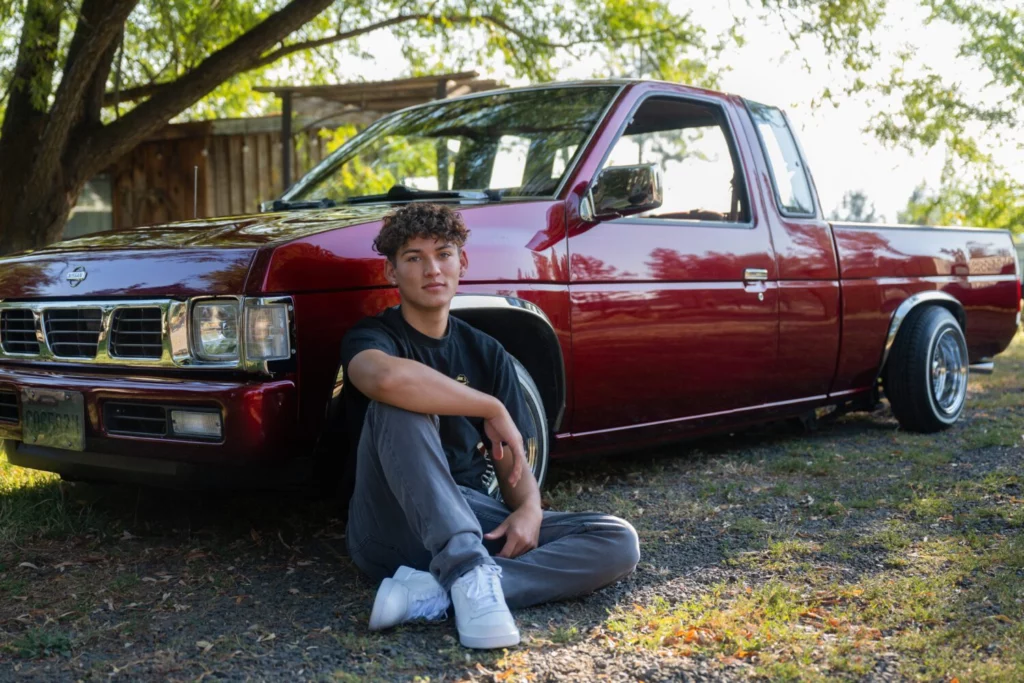
Senior portraits can range from formal cap-and-gown photographs to fashion-inspired, sports, hobby, studio, outdoor, and family-inclusive sessions. Many photographers now offer more customization, but formal portraits still have a place. The useful question is which mix best fits the senior and the market you serve.
Boudoir Photography
Boudoir photography has broadened in style, audience, and presentation over time. Sessions may be romantic, editorial, classic, dramatic, minimal, playful, or highly styled. Photographers should focus on consent, privacy, clear expectations, posing comfort, and the client's goals rather than promising empowerment, confidence, or a specific emotional outcome.
Headshot Photography
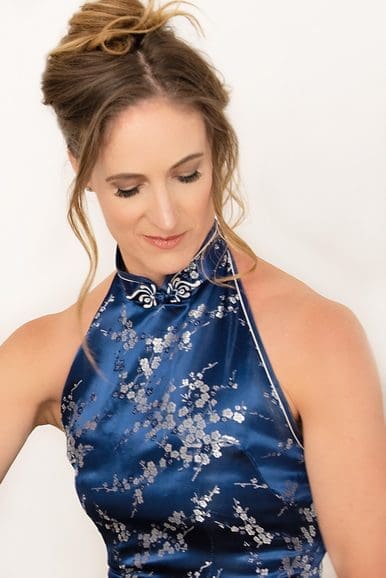
Headshots have also evolved over the years. No longer limited to corporate or business scenarios, headshot photography now covers a variety of genres such as acting/modeling portfolios, personal branding sessions, and lifestyle shoots. The focus is on creating images that showcase the best features of an individual in a natural and relaxed environment. Headshots are all about making a positive first impression and communicating the right message.
Social Media Photography
Digital platforms have created additional demand for brand, product, short-form, behind-the-scenes, and campaign imagery. The useful platform mix changes quickly, so photographers should understand the client's actual content needs instead of building a service around one social network or format.
How Social Media Contributes
Social media can support visibility, referrals, education, and portfolio sharing, but it is not mandatory for every photography business. A website, local search presence, email, partnerships, referrals, paid advertising, networking, and social platforms can all contribute. Choose the channels that produce useful inquiries in your market.
The Effect of the Pandemic on Photography
Major disruptions can change demand quickly, whether they come from economic conditions, public events, technology, or changes in client behavior. The practical lesson is to keep flexible policies, monitor inquiry patterns, and be willing to adjust services without assuming a temporary change will become permanent.
That's a Wrap!
Understanding market changes in photography is crucial for the success of your photography business. By keeping up-to-date with trends, you can tailor your work to meet the client's needs and remain competitive in the industry. In this blog post, I explored two particular genres, Senior Portraits, Headshots, Social Media Photography, and Boudoir Photography, and discussed how they have evolved over the last year. I also discussed the impact of social media and the pandemic on the photography industry. As a business owner, it's essential to be open to change, adapt, and innovate to stay relevant in the market.
Parent article How the Economy Impacts Photography


Education Most Searched Articles
- Kelly Tareski Photography Homepage
- How to Choose Background Colors to Complement Skin Tones
- Choosing the Best Lens for Stunning Senior Portraits
- 5 Tips Using the Nikon Z7ii Camera for Portrait Photography
- Exploring Spokane Through a Lens: Must-Visit Photo Locations
- How to Choose the Best Lenses for Senior Portraits
- When to Use a Neutral Background in Photography
- Top Posing Ideas for Solo Portraits: Looking Confident and Natural
- The Economy and Photography
- How the Economy Impacts Photography
- How to Weather Economic Slumps as a Photographer
- Finding Creative Ways to Promote Your Photography on a Budget
- Free and Low-Cost Resources for Photographers