
The Monochromatic Boudoir Photography Style
Read the parent article "20 Styles of Boudoir Photography"
What Is Monochromatic Boudoir Photography?
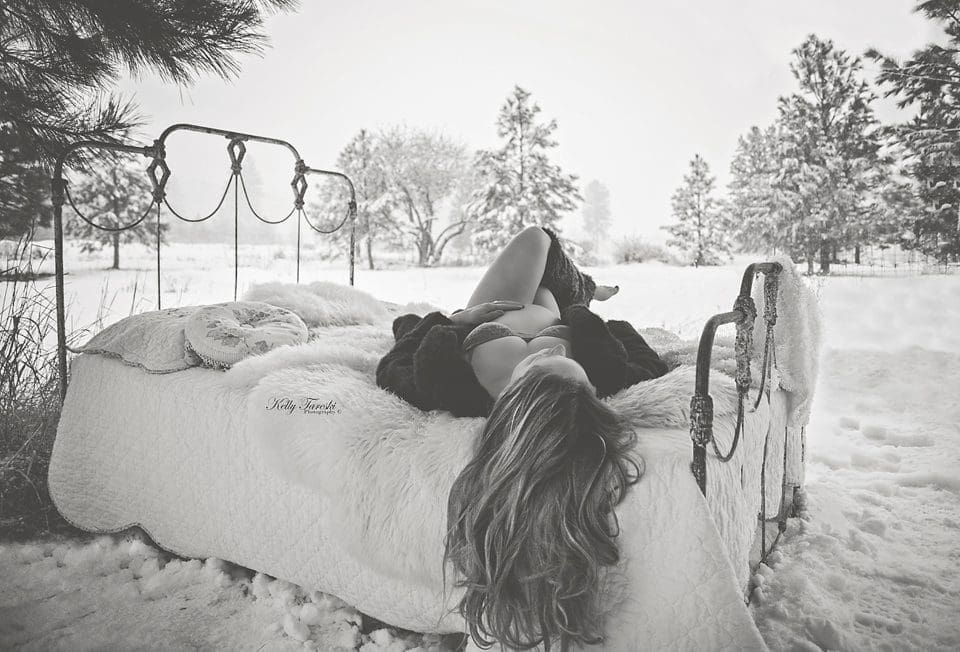
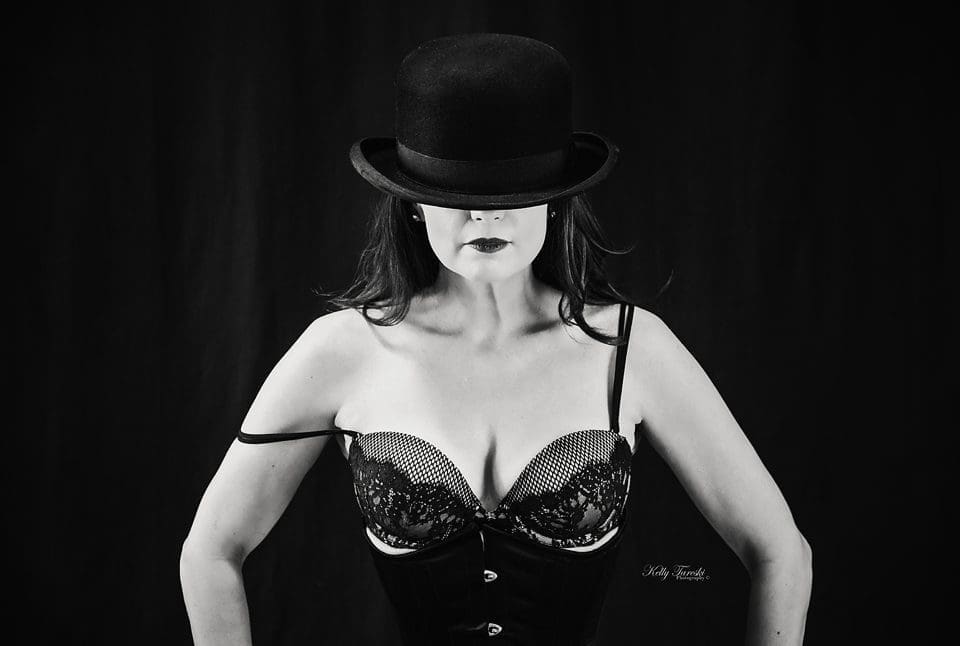
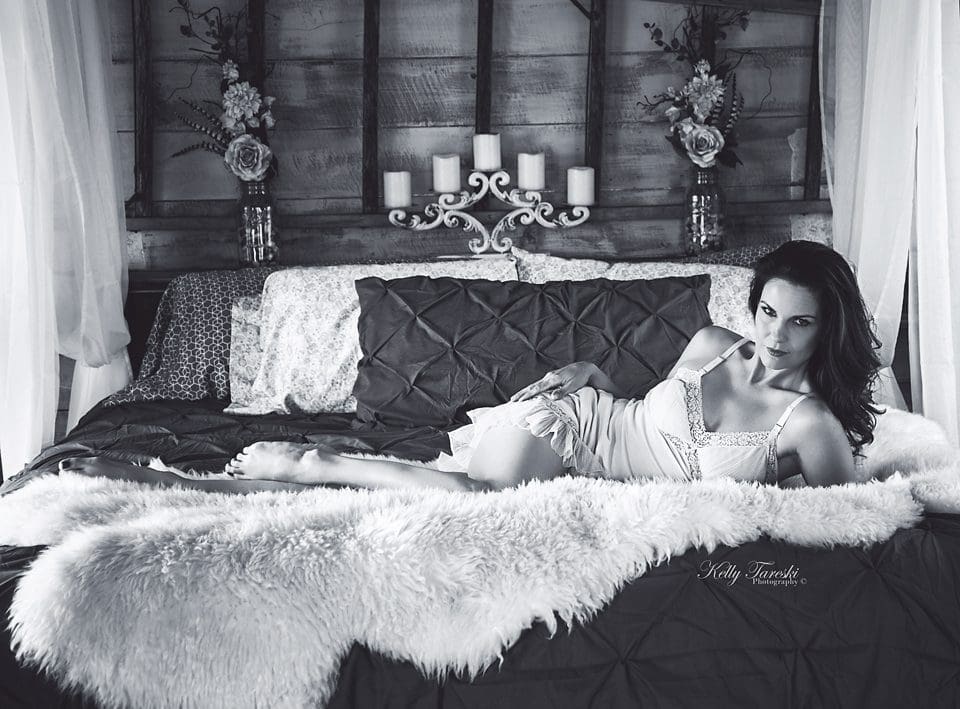
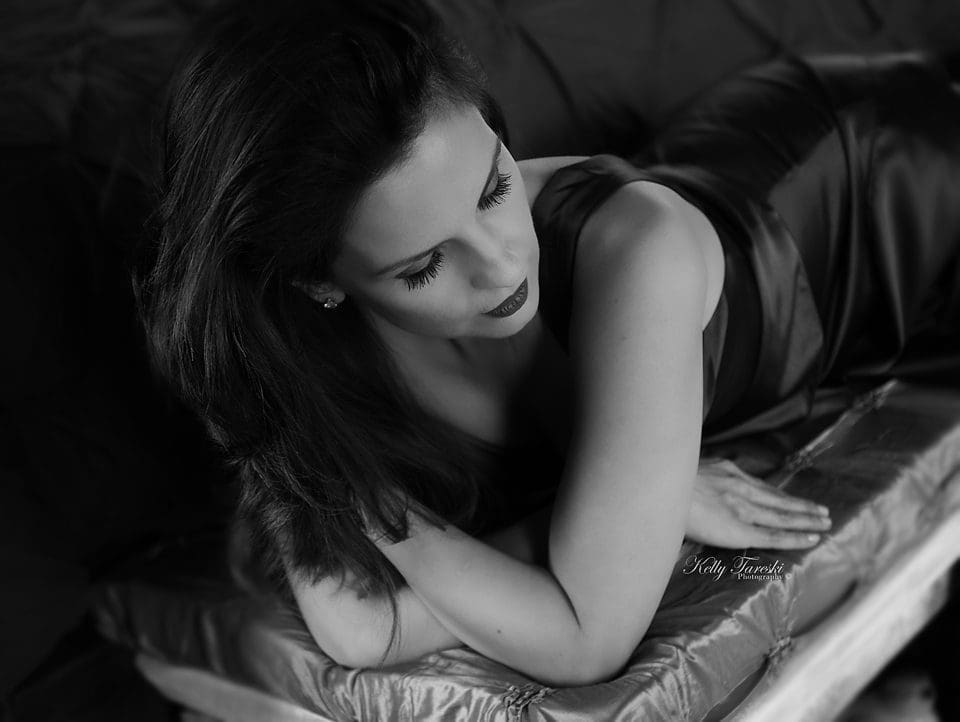
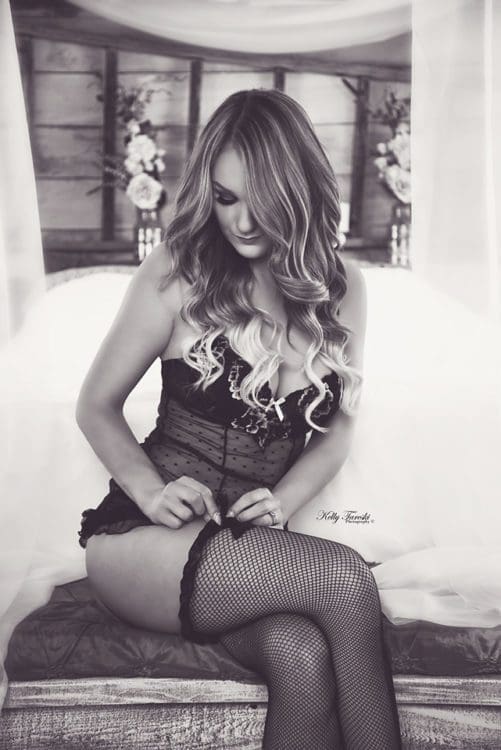
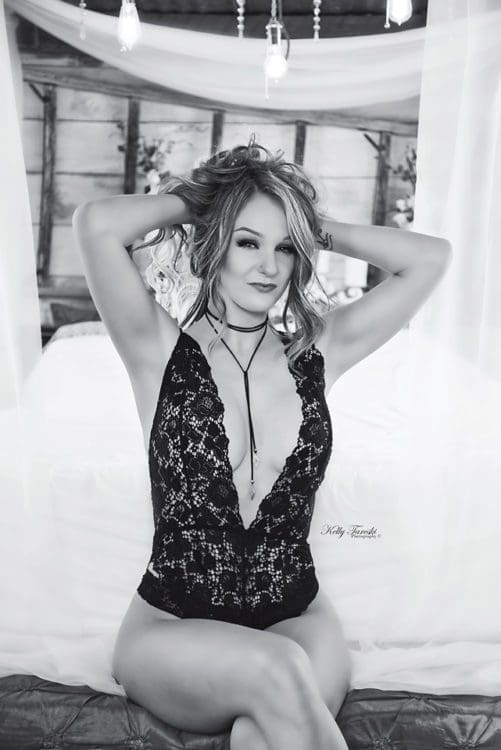
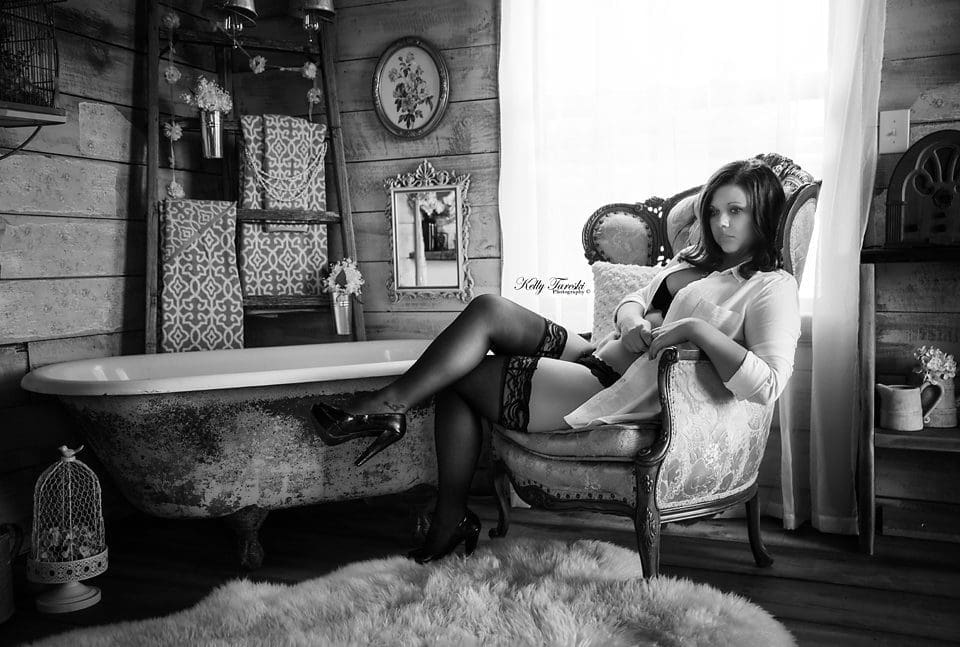
Monochromatic boudoir photography uses one dominant color family or a very limited tonal palette throughout the image. Instead of relying on many competing colors, the photograph is built around variations in brightness, saturation, texture, shape, and contrast within that restricted palette.
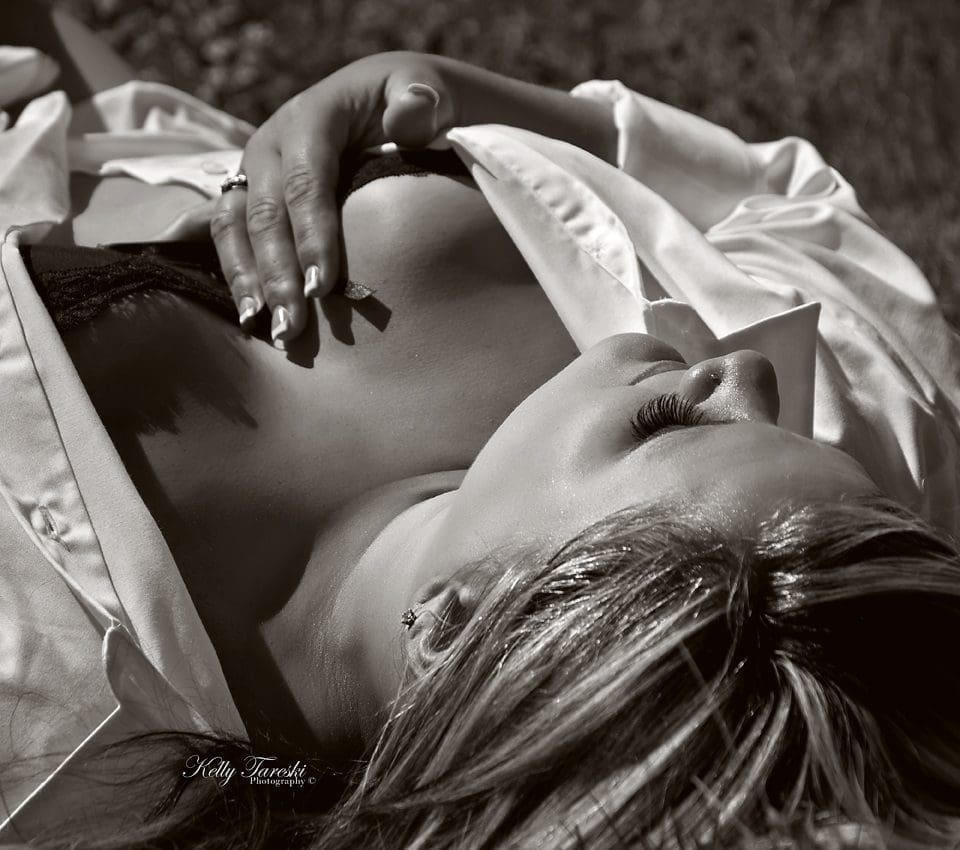
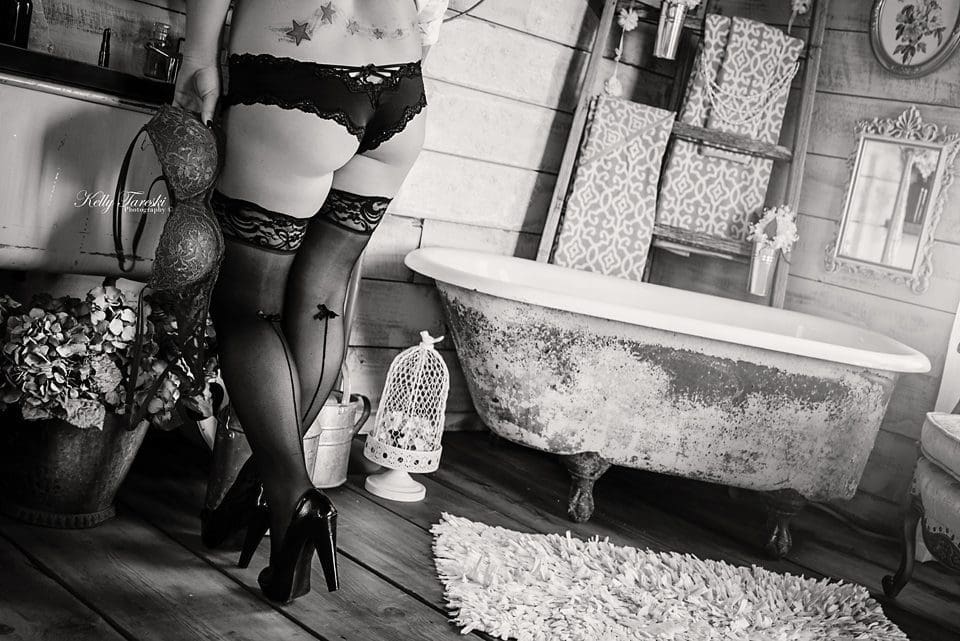
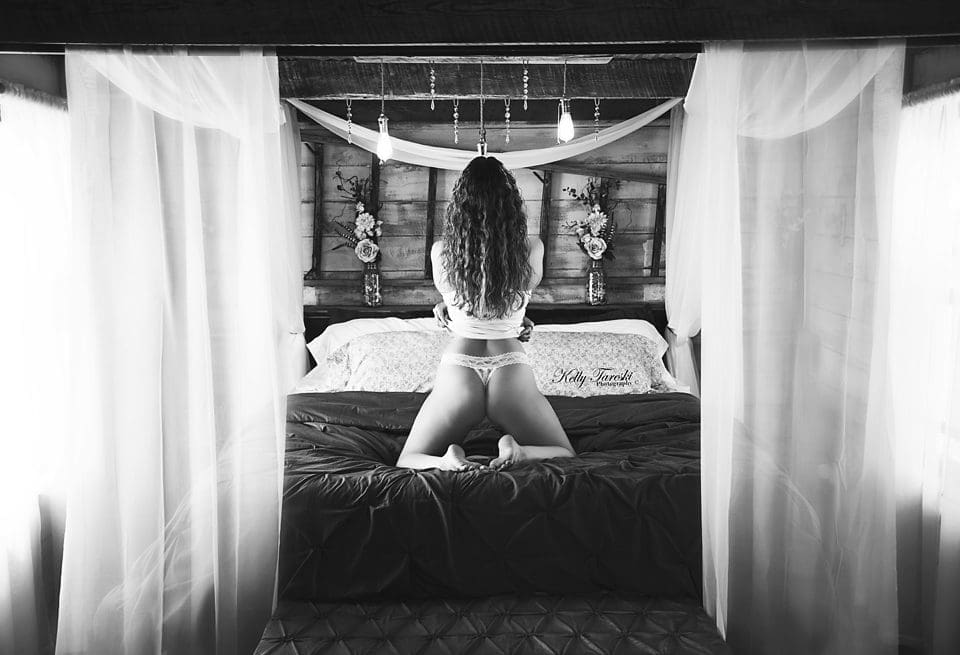
Black and white photography is often described as monochrome because it uses a grayscale range, but “monochromatic” can also mean warm brown or sepia tones, cool blue tones, muted green, red, cream, or another single-color direction. For specifically grayscale boudoir, see Black and White Boudoir Photography.
How Is Monochromatic Boudoir Different From Black and White?
Black and white removes color and organizes the photograph around gray values from dark to light. A broader monochromatic approach may retain a single hue or intentionally coordinate wardrobe, background, lighting, and editing around one color family.
The distinction is useful for planning. If you want a grayscale result, build around tonal contrast. If you want a one-color result, consider how the subject, wardrobe, background, makeup, props, and color grading all contribute to the same palette.
How Do You Create a Monochromatic Scene?
- Choose the palette: Start with grayscale, warm neutral, sepia, blue, green, red, cream, or another controlled color family.
- Coordinate the background: Use walls, paper, fabric, bedding, furniture, or architectural elements that support the palette.
- Plan wardrobe: Choose clothing for tone, texture, coverage, movement, and how closely it should blend with or separate from the background.
- Control competing colors: Remove or reframe objects that introduce distracting hues unless they are intentionally part of the design.
- Use editing consistently: Color grading can unify tones, but it works best when the scene already supports the intended palette.
How Does Lighting Affect a Monochromatic Look?
Lighting determines how clearly similar tones separate from one another. Soft light can produce gradual transitions, while harder or more directional light can create stronger edges and graphic shapes. The amount of contrast should be chosen for the composition rather than assumed from the word monochrome.
When wardrobe and background are close in tone, rim light, directional light, brighter highlights, darker shadows, or changes in subject-to-background distance can help create separation.
What Accessories and Props Work?
Accessories are optional. Jewelry, fabric, flowers, furniture, mirrors, hats, gloves, or other objects can reinforce the palette when they contribute useful texture, shape, or context. A monochromatic image can also be very minimal, with no props at all.
Avoid adding an accessory solely because it matches the color. It should still support the composition and the level of styling you want.
How Should Wardrobe and Styling Be Planned?
Wardrobe can be lingerie, bodysuits, robes, dresses, shirts, suits, fabric, or fully dressed looks. For a tone-on-tone effect, choose clothing close to the background color. For more separation, use a lighter or darker value within the same family.
Hair and makeup can follow the palette strongly or remain more natural. There is no requirement to hide, emphasize, or reshape any particular body feature to create a monochromatic portrait.
How Is Monochromatic Boudoir Edited?
Editing may include white-balance changes, selective color adjustment, desaturation, color grading, split toning, tonal curves, local contrast, cleanup, and other finishing choices. The goal is visual consistency, not simply applying a preset that turns every color into the same hue.
Ask how much retouching is typical and whether the photographer changes body shape, preserves skin texture, removes temporary details, or offers additional retouching options.
How Can You Create More Dramatic Monochromatic Images?
Use stronger tonal separation, directional light, silhouettes, tighter crops, negative space, graphic posing, repeated shapes, or a more saturated single-color treatment. A dramatic result can still remain monochromatic as long as the palette stays controlled.
Posing should be directed around the photograph and the client’s comfort, mobility, wardrobe, and boundaries rather than one supposedly ideal body angle.
When Should You Use a Monochromatic Style?
Monochromatic treatment works well when you want color to feel intentional and unified rather than varied. It can be useful for editorial, fine-art, classic, dramatic, or minimalist boudoir. It is one design option within a broader session, not a rule that every image must use the same palette.
Bottom Line
Monochromatic boudoir is about controlling the color and tonal palette. Black and white is one monochrome approach, but single-hue color treatments create a different visual role and give this style a reason to exist separately from the dedicated black-and-white boudoir guide.
Where you can book "Monochromatic Boudoir Photography in Spokane Washington"


Boudoir Photography Most Searched Articles
- Kelly Tareski Photography Home
- Kelly Tareski Photography Boudoir Gallery
- Boudoir Portrait Photography Spokane
- 20 Styles of Boudoir Photography
- The Couples Boudoir Photography Style
- What are Sexy Pictures? - Boudoir Photography
- Behind the Scenes of a Boudoir Photography Session
- The Outdoor Boudoir Photography Style
- The Classic Boudoir Photography Style
- What is a Boudoir Portrait
- The Black and White Boudoir Photography Style
- Why Boudoir Photography is the Ultimate Self-Love Experience