

A Comprehensive Guide to Capturing Stunning Portraits
Soulful Snapshots: A Comprehensive Guide to Capturing Stunning Portraits by Kelly Tareski
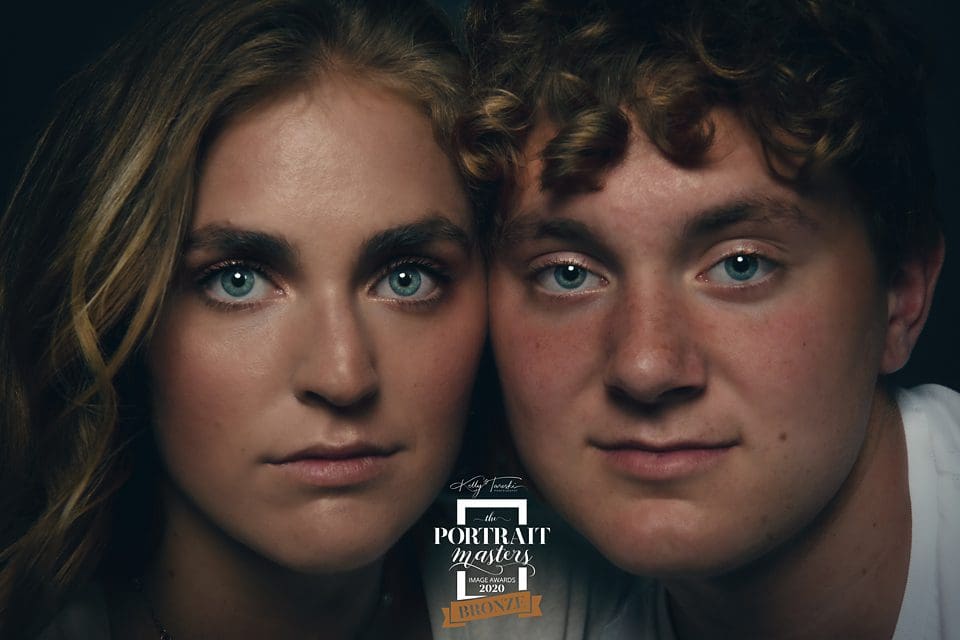
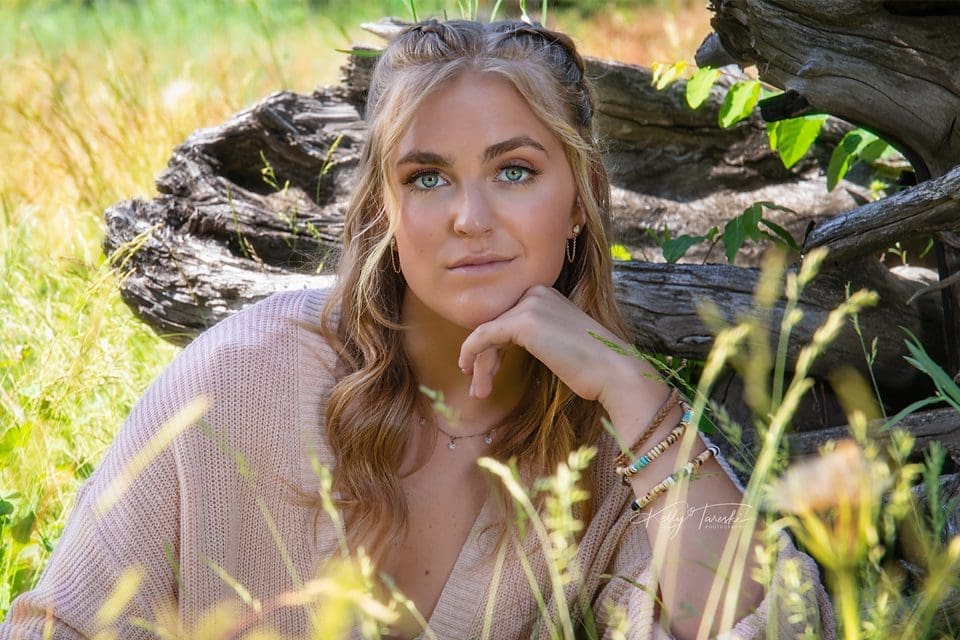
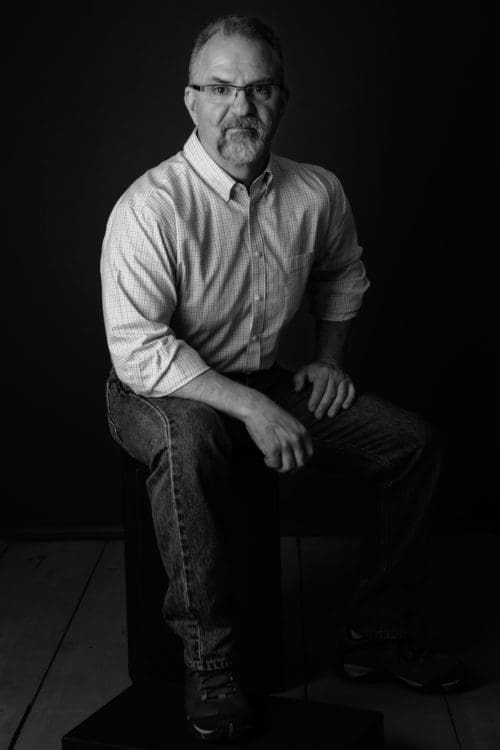
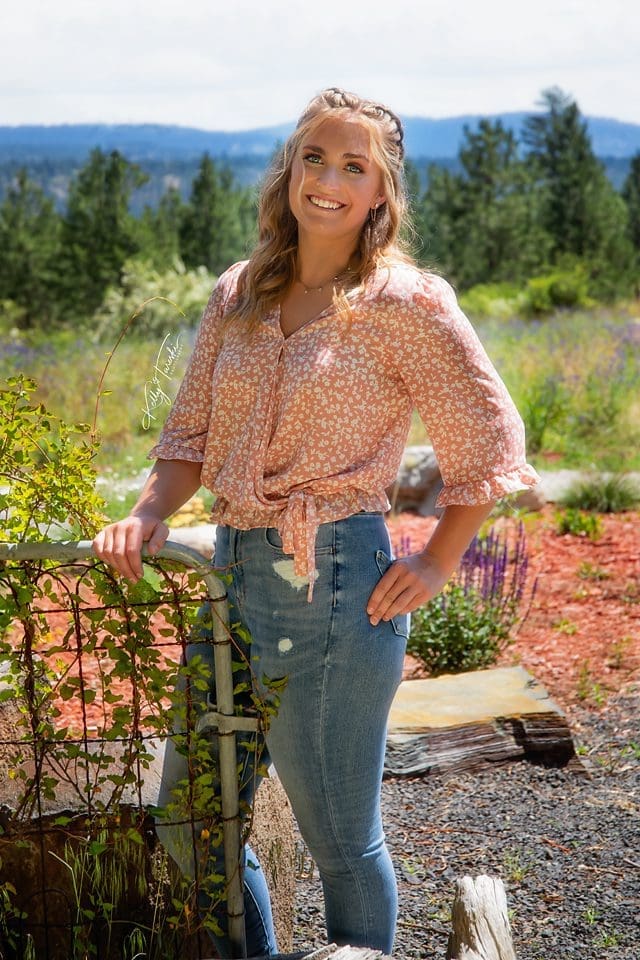
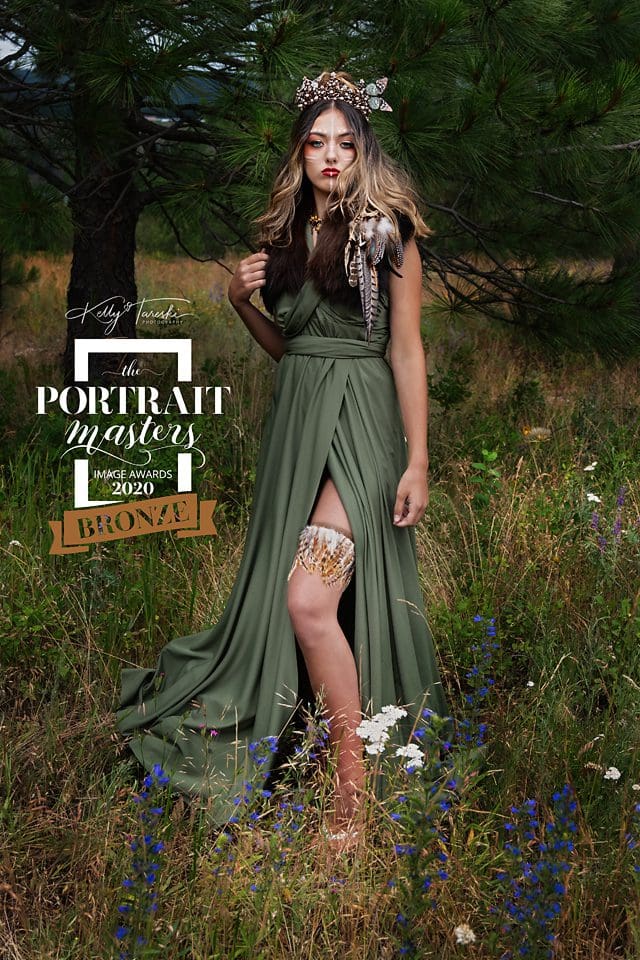
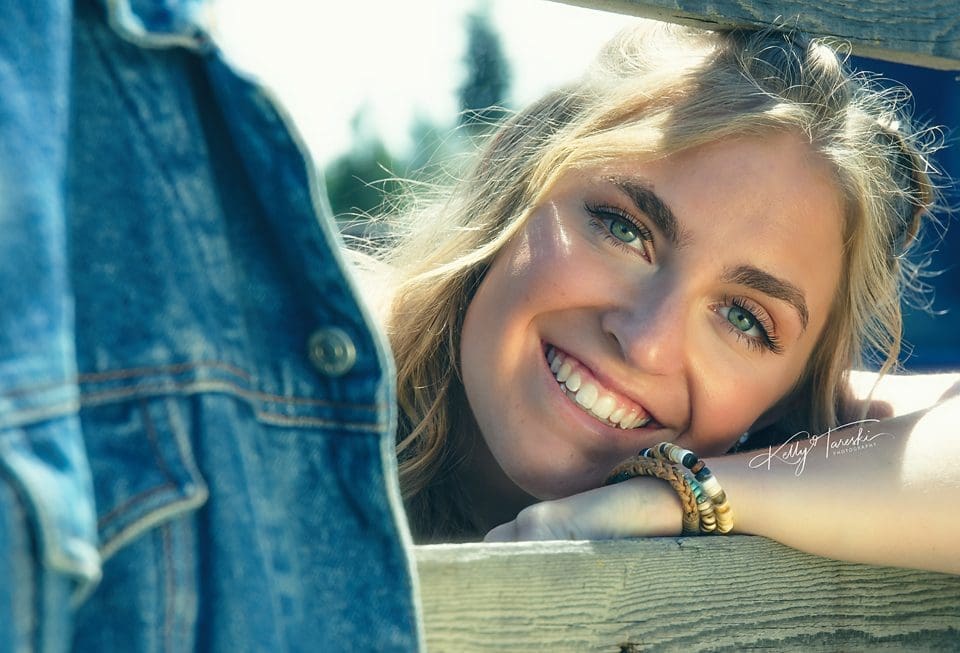
I'm Kelly Tareski, a dedicated portrait photographer and the proud owner of Kelly Tareski Photography. My passion lies in capturing the essence and personality of individuals through striking and memorable portraits. I believe everyone has a unique story to share, and I aim to create timeless images that highlight their individuality.
With a meticulous eye for detail and a comprehensive understanding of lighting, composition, and camera settings, I aim to produce portraits that are not only visually stunning but also emotionally resonant. I can capture authentic expressions and moments representing their personalities by establishing a genuine connection with my subjects and ensuring they feel at ease during our sessions.
As a committed professional portrait photographer, I continuously strive to expand my skills and stay up-to-date with the latest photography trends, all while staying true to my artistic vision. I take pride in offering customized portrait sessions tailored to each client's preferences and style, resulting in cherished images that will last a lifetime.
Below are some handy guidelines for any aspiring artist wishing to delve into the world of photography.
As a professional portrait photographer, I aim to create stunning portraits that capture the essence of my subjects' personalities. In this comprehensive guide, I'll share my secrets for achieving photographs that showcase the soul and individuality of each person, from equipment and camera settings to building rapport and retouching images.
Equipment and Camera Settings
To achieve the desired effect in your portraits, start with the right equipment and camera settings:
-
Camera:
Use a camera that gives you enough control and image quality for the assignment. Interchangeable-lens cameras are common in portrait work, but no single camera type is required to create a strong portrait.
-
Lens:
Choose a focal length based on your working distance, composition, background, and the perspective you want. Focal lengths around 50 to 85mm are common for portraits, but wider and longer lenses can also be appropriate.
-
Aperture:
Choose aperture for the depth of field you need. A wide aperture can soften the background, while a smaller aperture may be better when more of the subject or a group needs to remain sharp.
- Shutter Speed:
Choose shutter speed based on subject movement, focal length, stabilization, and whether flash is being used. The goal is to control motion blur rather than follow one universal minimum shutter speed.
- ISO:
Set ISO as part of the overall exposure. Lower ISO can reduce noise, but a higher ISO may be the better choice when it allows the shutter speed and aperture the photograph requires.
Poses, Lighting, and Angles
To accentuate your subject's individuality, consider the following tips:
-
Poses:
Encourage natural and relaxed poses that reflect the subject's personality while paying attention to body language and posture.
-
Lighting:
Choose lighting that supports the portrait you want to make. Soft light can create gentle transitions, while directional or harder light can add shape, contrast, and drama when used intentionally.
-
Angles:
Experiment with camera height and angle to find a perspective that suits the subject, pose, and intended mood. There is no single camera angle that is most flattering for every person.
Building Rapport with Your Subject
Creating genuine expressions and a comfortable atmosphere is essential for capturing soulful portraits:
-
Communication:
Engage in conversation with your subject to understand their personality, preferences, and comfort level.
-
Direction:
Provide clear and gentle guidance on posing, facial expressions, and breathing techniques to help your subject feel at ease.
-
Encouragement:
Offer positive reinforcement and reassurance throughout the session to build confidence and trust.
Retouching Images with [Photo-Editing Software]
After the shoot, use photo-editing software to add the final touches that give your portraits a professional edge:
-
Exposure and Contrast:
Adjust exposure and contrast levels to create a balanced and dynamic image.
-
Color Correction:
Ensure accurate and consistent skin tones by adjusting white balance and color saturation.
-
Skin Retouching:
Use subtle retouching techniques to smooth skin texture, remove blemishes, and enhance facial features while maintaining a natural appearance.
-
Cropping and Composition:
Refine the composition of your image through cropping, straightening, and applying the rule of thirds.
Timeless and Authentic Portraits with Current Trends
To create timeless and authentic portraits that also incorporate current trends, consider these tips:
-
Balance:
Strike a balance between classic portrait techniques and contemporary styling or editing trends.
-
Personalization:
Customize each portrait session to reflect the subject's unique style and preferences, incorporating elements such as wardrobe, location, and props.
-
Evolution:
Continuously update your skills and knowledge of photography trends, adapting your approach to stay current while maintaining your artistic vision.
Capturing stunning portraits that reflect the soul and personality of your subjects requires a combination of technical expertise, creativity, and interpersonal skills. By mastering equipment and camera settings, experimenting with poses, lighting, and angles, building rapport with your subjects, and retouching images professionally, you can create timeless and authentic portraits that showcase the essence of each individual.
A Comprehensive Guide to Capturing Stunning Portraits




Education Most Searched Articles
- Kelly Tareski Photography Homepage
- How to Choose Background Colors to Complement Skin Tones
- Choosing the Best Lens for Stunning Senior Portraits
- 5 Tips Using the Nikon Z7ii Camera for Portrait Photography
- Exploring Spokane Through a Lens: Must-Visit Photo Locations
- How to Choose the Best Lenses for Senior Portraits
- When to Use a Neutral Background in Photography
- Top Posing Ideas for Solo Portraits: Looking Confident and Natural
- The Economy and Photography
- How the Economy Impacts Photography
- How to Weather Economic Slumps as a Photographer
- Finding Creative Ways to Promote Your Photography on a Budget
- Free and Low-Cost Resources for Photographers